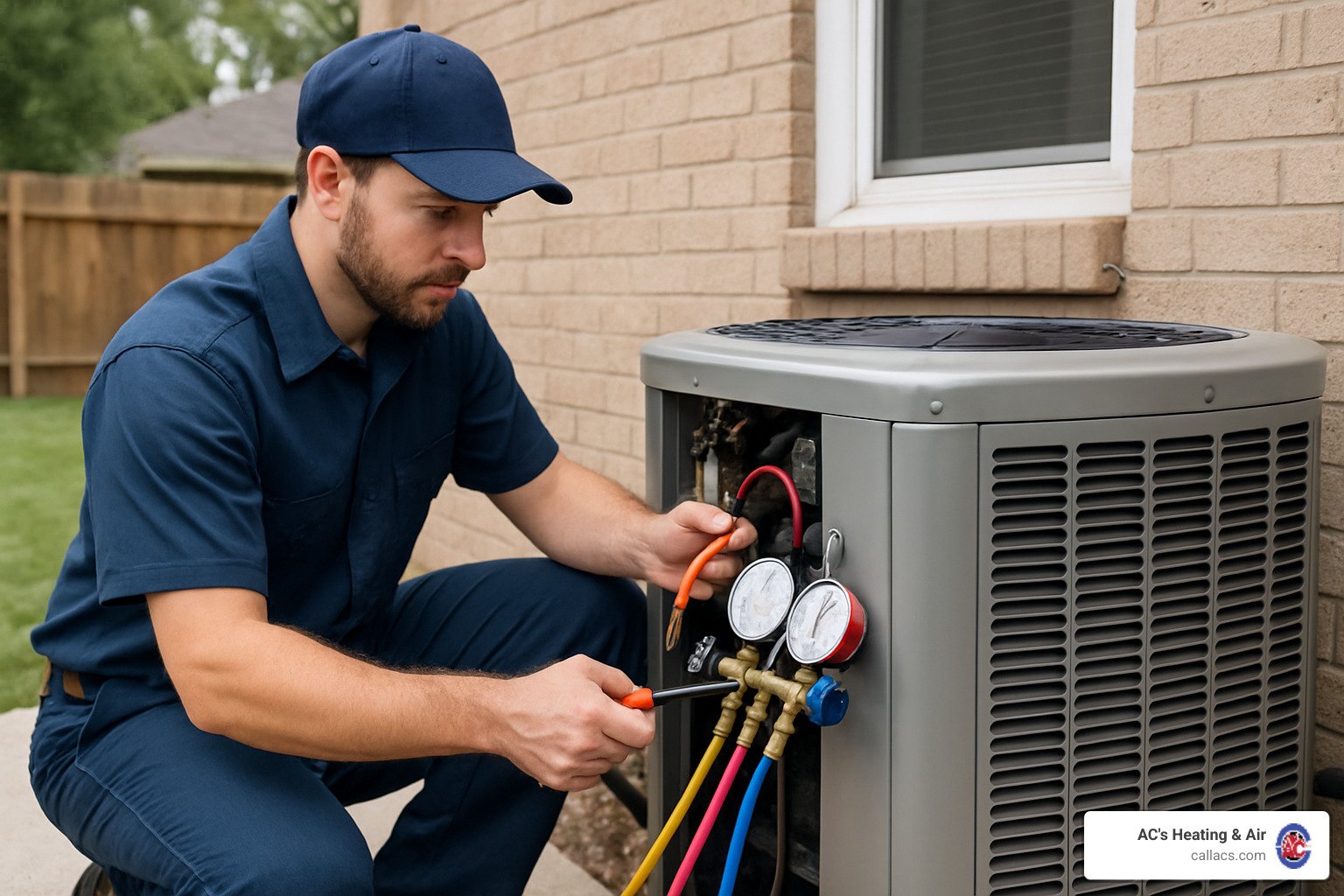
Your cartoning machine runs on compressed air. The brochure says “air consumption: 5 CFM.” You install a small compressor. The machine runs fine for an hour. Then the compressor cycles on and off constantly. The pressure drops. The cartoning machine behaves strangely. The glue nozzle sputters. The carton picker hesitates. The reject station fails to fire. The problem is not your compressor. It is the brochure’s air consumption number. That number is average consumption. Peak consumption is much higher. When multiple pneumatic devices fire simultaneously, the air demand spikes. Your small compressor cannot keep up. A real cartoning machine needs a dedicated air supply with a receiver tank sized for peak demand. Ask your supplier for peak air consumption, not average. Then multiply by 1.5 for safety. That number is your compressor size. Undersize your compressor. Undersize your production. Your machine will stop every time the pressure drops below minimum. Size correctly. Run continuously.
The Dirty Air Filter That Starves Your Machine
Your compressor has an air filter. That filter gets dirty. You forget to change it. The compressor works harder. It still produces pressure. But the volume drops. Your cartoning machine runs slower. The picker arm moves sluggishly. The glue pattern becomes inconsistent. You blame the machine. The machine is fine. The air supply is starving. A pressure gauge at the machine inlet tells the truth. When the machine is idle, pressure reads 90 PSI. When the machine is running at full speed, pressure reads 60 PSI. That 30 PSI drop is starvation. Your cartoning machine needs full pressure even at peak demand. Install a pressure gauge at the machine. Monitor it during production. If the pressure drops, check your filters, your dryer, and your piping size. A two-inch pipe carries more air than a half-inch pipe. Undersized piping creates pressure drop. So do dirty filters. So does a small receiver tank. Fix your air supply. Your machine will return to full speed.
The Condensation That Corrodes Your Pneumatic Valves
Compressed air contains water. Your compressor has a dryer. That dryer fails. You do not notice. Water travels through the pipes. It reaches your cartoning machine. It enters the pneumatic valves. The valves corrode. They stick. They leak. Your machine cycles erratically. The glue nozzle stays open. Glue sprays everywhere. The carton picker stays extended. It collides with the magazine. The repair requires replacing every pneumatic valve. That costs thousands of dollars. The prevention is a water separator and filter-regulator-lubricator unit at the cartoning machine inlet. Replace the filter element monthly. Drain the water separator daily. Your air stays dry. Your valves stay clean. Your cartoning machine runs reliably. Ask your supplier about recommended air preparation. If they do not specify a filter-regulator-lubricator, they expect you to know. Now you know. Install one. Maintain it. Your valves will last for years instead of months.
The Lubricator Mist That Coats Your Cartons
Your filter-regulator-lubricator unit adds oil to the compressed air. The oil lubricates the pneumatic valves. That is good for the valves. That oil also exits through the valve exhaust ports. The oil mist settles on your cartons. Greasy spots appear. Your printed graphics look stained. Your customer rejects the shipment. The solution is an oil-free pneumatic system. Valves designed for dry air do not need lubrication. They use special seals and bearing materials that run without oil. Your cartoning machine with oil-free pneumatics produces clean cartons. No stains. No rejections. Ask your supplier if their machine uses oil-free or oil-lubricated valves. If they say oil-lubricated, ask how they prevent oil mist from reaching the cartons. If they have no answer, your cartons will arrive greasy. Choose oil-free. Choose clean packaging.
The Solenoid Coil That Burns Out Every Three Months
Your pneumatic valves have solenoid coils. Those coils get hot. They get hotter when the valve cycles frequently. Your cartoning machine cycles valves thousands of times per hour. The coils overheat. The insulation melts. The coil shorts. The valve stops working. Your machine stops. You replace the coil. Three months later, it fails again. The problem is not the coil quality. It is the duty cycle. Standard solenoid coils are rated for continuous operation at a specific voltage. If your machine’s voltage fluctuates, the coil draws more current. It overheats. The solution is a coil with a built-in surge suppressor and a wider voltage tolerance. Or a manifold-mounted valve with electronic power management. Ask your supplier about coil ratings. If they cannot provide a mean time between failures number, assume the coils are cheap. Cheap coils fail. Expensive coils last. Your downtime costs more than the coil upgrade. Specify long-life coils. Replace them less often.
The One Test That Confirms Your Air System Is Ready
Turn off your compressor. Drain the receiver tank completely. Close the drain valve. Start the compressor. Let it fill to full pressure. Turn on your cartoning machine. Run it at full speed. Time how long until the compressor starts. That time is the stored air volume in your receiver tank. If the compressor starts within thirty seconds, your receiver tank is too small. If the compressor runs continuously without stopping, your compressor is too small. A properly sized air system for a cartoning machine has a receiver tank that holds at least one minute of full-speed air consumption. The compressor runs for two minutes, then rests for one minute. That duty cycle keeps the compressor cool and extends its life. Ask your air system installer to calculate your stored volume and compressor size. If they guess, find someone who calculates. Your cartoning machine depends on air. Treat your air system as seriously as you treat the machine itself. Clean, dry, abundant air at the right pressure. That is not a wish list. That is a requirement. Meet it. Your machine will run. Fail it. Your machine will stop. The choice is yours. The math is not complicated. Neither is the solution. Size your air system correctly from the start. Your production line will never gasp for air again.