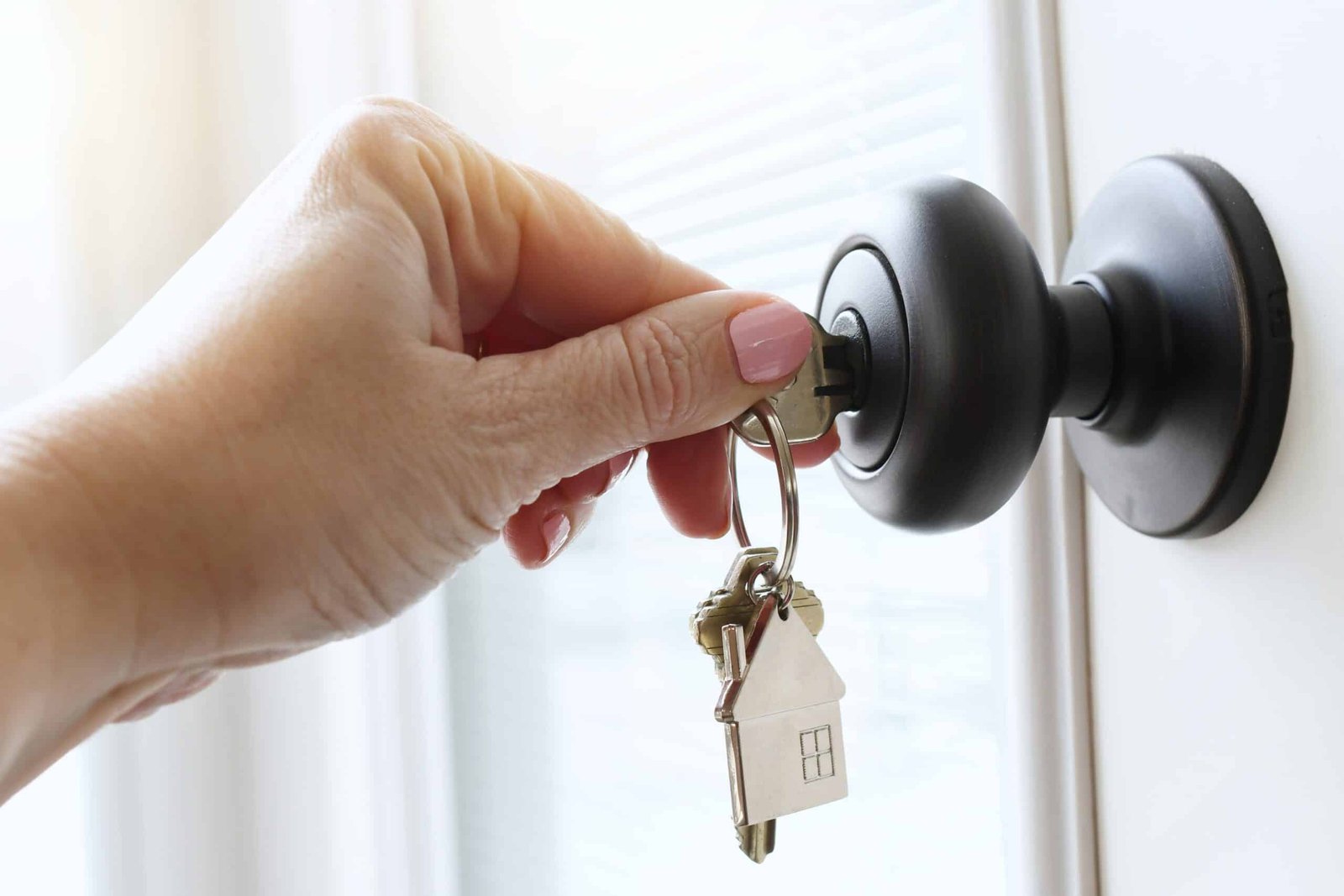
Collecting keys to a new home feels like the end of the buying process, but from a security point of view it is the beginning. You do not know how many keys exist, who cut them, which neighbours held spares, which contractors used them or whether the locks meet the standard your insurer expects.
A useful example is LocksmithLocal, where the emphasis is on qualified local locksmiths, City & Guilds and NCFE-backed training through MPL Locksmith Training, non-destructive work wherever possible and a clear explanation before parts are changed. This article uses that kind of professional process as the model for what good service should look like.
Why this service matters
Not every lock fault means a new lock, and not every new lock is an upgrade. A stiff key can be a worn cylinder, a misaligned door, a damaged key, a dry mechanism or a door that has dropped on its hinges. The value of a locksmith is in separating the simple repair from the real security risk.
Lock changes are most sensible when keys are unaccounted for, the lock is worn beyond reliable repair, the existing hardware fails to meet an insurance requirement, or a recent break-in has compromised the door. Repairs are often enough when the lock is fundamentally sound but badly aligned, dry, loose or affected by a failing handle or gearbox.
The risk with a new home is not always burglary in the dramatic sense. It is uncontrolled access. A previous owner may have been careful, but copies can still sit with relatives, cleaners, dog walkers, tradespeople or former tenants. Even if every person is honest, you cannot manage a key list you never saw. A lock change resets that uncertainty on day one.
First checks before you book
Before booking anyone, make the situation safer and gather the information that will help the locksmith arrive prepared. The right preparation reduces delay, avoids unnecessary damage and gives you a clearer conversation about price and method.
- Change or re-key external door cylinders once you have lawful possession.
- Check front, back, side, garage and outbuilding locks, not just the main door.
- Ask whether the existing locks meet any insurance wording such as British Standard requirements.
- Consider keyed-alike cylinders if several uPVC or composite doors are being changed.
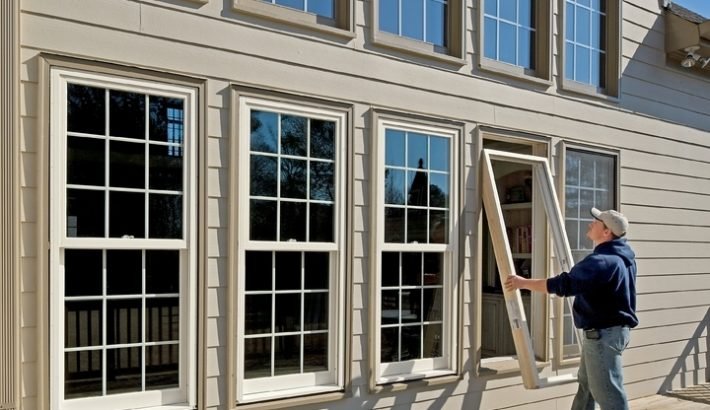
- Inspect window locks, patio doors and side gates while the locksmith is already there.
- Keep a record of new keys issued and who receives each copy.
How a professional locksmith approaches the job
A careful lock-change or lock-repair visit starts with the door as a complete system. The locksmith checks the key, cylinder, latch, bolt, keep, handle, hinges and frame before recommending a part. That avoids the common mistake of fitting a new cylinder to a door that still will not align properly.
- The locksmith identifies each lock type and whether a cylinder swap, re-key or full replacement is needed.
- They check security standards, cylinder projection, handle protection and door alignment.
- They fit the new parts, test all keys and advise on any weak secondary entry points.
The best technicians also test their own work under realistic conditions. A door should not be declared fixed only because the lock turns once while the door is open. It should be checked as the customer will use it: closed, opened, locked, unlocked and, where relevant, tested with every new key or access method.
Benefits of getting the right repair
The benefit of a trained locksmith is not limited to speed. It is the ability to solve the cause of the fault, protect the surrounding door or window, and leave the customer with a result that will keep working after the van has gone.
- Old keys stop working immediately.
- The new owner receives a known set of keys and can control future copies.
- Weak locks can be upgraded at the same time.
- Potential insurance issues are identified before a claim is ever needed.
Costs depend on the lock type, the security standard needed and whether parts are fitted. A simple euro cylinder replacement is a different job from a British Standard mortice lock on a timber door or a multipoint repair on a uPVC door. A trustworthy quote separates labour and parts clearly and explains why a repair is or is not enough.
Useful questions to ask before work starts
A helpful way to judge the service around moving into a new home? the lock change checklist most buyers miss is to listen to how clearly the locksmith explains the route from diagnosis to repair. The answer should include access checks, likely parts, whether repair is realistic, how damage will be avoided, and whether any security upgrade is optional rather than automatic. This also gives you something to compare if you speak to more than one company: the most professional answer is usually specific, calm and transparent, not a pressure sale.
- Can the fault be diagnosed before drilling or replacing parts?
- Which part is actually failing and which parts are still serviceable?
- Will the price be confirmed before work starts?
- Will the completed lock, door or window be tested from both sides where possible?
- Are the replacement parts suitable for the property type and security expectation?
Common mistakes to avoid
Most expensive locksmith problems start with a small mistake: waiting too long, forcing a part, accepting a vague quote or treating every symptom as if it has the same cause. Avoiding those mistakes protects both the property and the budget.
- Changing only the front door while the back door, garage or side gate still uses old keys.
- Assuming a modern-looking door has a modern anti-snap cylinder.
- Forgetting that window locks and patio doors are part of the same security picture.
- Waiting months after moving, by which time the urgency is forgotten.
Choosing an accredited locksmith
The person working on the lock is being trusted with access, so credentials should be treated as part of the job rather than an afterthought. Ask what training the locksmith has completed, whether they are DBS checked, whether they carry insurance and whether they will explain the method before drilling or replacing parts. Those questions protect the customer as much as the door.
For customers, the practical signs are straightforward: a named person, clear identification, proof checks before entry, a fixed price before work starts, an explanation of the method, and a willingness to repair where repair is the better answer. Those signs matter more than a rushed promise to be cheap or fast.
Quick questions answered
Do renters need this checklist too?
Renters should ask permission and follow the tenancy terms, but they can still ask the landlord or agent about key control and lock standards.
Is it enough to change the cylinder?
On many uPVC and composite doors, yes. The cylinder controls the key, while the multipoint mechanism can remain if it is sound.
Should I upgrade or simply change like for like?
If the existing cylinder has no anti-snap protection or the timber door lacks a recognised standard, moving day is an ideal time to upgrade.
Final thought
A new home should come with a clean key history. Changing or re-keying locks after completion is a modest job that removes a large unknown and gives the household control from the first night.