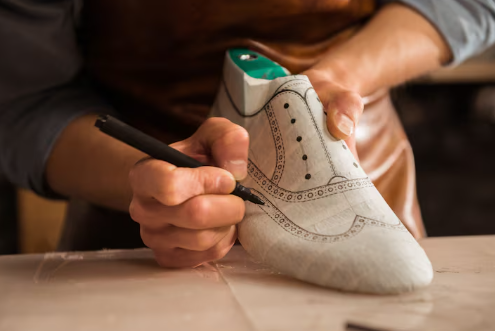
The shoes of today’s era are not constructed of one fabric. Shoes such as athletic, hiking, casual sneakers, safety shoes, and fashion shoes incorporate leather, synthetic fabrics, knit textiles, mesh, rubber, foam, TPU, and other complex materials in a single design. This ratio allows for better comfort, durability, flexibility, and look but has its own manufacturing complexities. An important factor of creating dependable multi-material footwear is achieving strong and consistent stitching in materials having various physical characteristics.
Poor stitching may result in failures, puckering, skipped stitching, damages to the material, and shorter product life. Adhering to these tried-and-tested best practices can benefit product quality, minimize production issues, and make footwear perform optimally in challenging environments.
Understand the Characteristics of Each Material
The first step to successful stitching of multi-materials is comprehending the nature and reactions of each material in stitching. The thicknesses, stretch, friction, and resistance to needle penetration vary for leather, textiles, synthetic fabrics, coated fabrics, and foam-backed parts.
It is necessary for manufacturers to examine all possible combinations of materials before production. Testing provides information on the optimum sewing parameters and avoids problems in production that are expensive later in production.
Choose the Right Sewing Thread
The choice of thread is crucial for footwear’s strength and style.
Manufacturers should consider:
- Thread material (polyester, nylon like bonded nylon thread, aramid, or specialty fibers)
- Thread size
- Tensile strength
- Abrasion resistance
- UV resistance
- Chemical resistance
- Flexibility
- Colorfastness
High-tenacity polyester threads are used extensively, as they offer high durability, low shrinkage, and the most resistance to moisture and UV exposure. Polyester embroidery thread are used for embroidery and logo designs.
If a few materials are to be sewed together where there is a difference in flexibility, accommodation for movement should be allowed without breaking seam integrity by making sure the sewing thread has sufficient flexibility.
Select the Appropriate Needle
The most common type of stitching defect is incorrect needle selection when manufacturing multi-material footwear.
Needles should be selected to match:
- Material thickness
- Material hardness
- Thread size
- Stitch type
Regular change of needles is also crucial. Worn needles can cause skipped stitches, thread pulls, and degrees of material damage.
Balance Thread Tension Carefully
The sewing tension can vary from one material to another. Excessive thread tension can cause:
- Seam puckering
- Material distortion
- Thread breakage
- Reduced seam flexibility
Loose stitches and weak seams are possible if there is not enough tension.
When stitching footwear with multiple material layers, manufacturers should carefully balance upper and bobbin thread tension. Prior to full-scale production, the right settings can be determined by testing a sample.
Today’s sewing machines feature automatic tension control devices that can help increase uniformity.
Optimize Stitch Density
The more stitches, the tighter the footwear is not!
Too many stitches can cause materials to be weakened by having excessive holes from the needles, particularly in leather and coated fabrics. If there are fewer stitches, the seam might lack strength and may affect durability.
The stitch length for the appropriate fabric is based on:
- Material thickness
- Seam location
- Product application
- Load-bearing requirements
Certain areas of the shoe, on which forces are critical, such as heel counters, eyelets, toe caps, and sole attachments, may need to be maximized with their stitch density to optimize the load expansion.
Minimize Needle Heat
When too much heat builds up during sewing, it can damage synthetic materials, commonly used in footwear.
As the sewing speed increases, friction between the needle and material may lead to the following:
- Material melting
- Thread fusion
- Surface discoloration
- Weak seams
As a manufacturer, try to minimize needle heat by:
- Choosing appropriate needle coating
- Optimizing machine speed
- Changing the used needles often
These ensure better stitch quality as well as minimize damage to materials.
Maintain Accurate Material Alignment
Multi-material footwear is frequently combined with multiple precisely cut parts, which require being assembled in a perfect way.
Even slight misalignment can cause the following:
- Uneven seams
- Wrinkles
- Poor aesthetics
- Reduced fit
- Increased production rejects
Guides, templates, and positioning fixtures should be used throughout the sewing process to keep sewing motors in accurate alignment.
The automated sewing systems with vision technology further enhance positioning accuracy in case of a complicated shoe design.
Conduct Regular Seam Performance Testing
Quality should be checked at any point during the manufacturing process, not just at the end.
The following tests are important in determining the quality of performance of seams:
- Seam strength testing
- Seam slippage evaluation
- Flex testing
- Abrasion resistance
- Dynamic fatigue testing
- Stitch appearance inspection
Repeated flex cycles, designed to simulate “walking” conditions, should be performed on the footwear to ensure the integrity of seams over the product’s intended lifetime.
By holding regular tests, manufacturers can recognize problems early on and continually fine-tune stitching performance.
Maintain Sewing Equipment
No sewing thread will take the place of poorly kept sewing machines.
The following should be done as part of preventive maintenance:
- Needle replacement
- Thread path cleaning
- Hook timing inspection
- Feed mechanism adjustment
- Tension calibration
- Lubrication
Regular machine maintenance helps minimize downtime and provides repeatable stitches from one machine batch to another.
Train Operators Thoroughly
The quality of stitching in a shoe is still dependent heavily on the skill of the operator.
Comprehensive training should cover:
- Material handling
- Thread selection
- Needle replacement
- Machine adjustment
- Defect identification
- Quality inspection
Defects are avoided by the experienced operator noticing abnormal stitching conditions early on.
Continuous training also improves manufacturers’ ability in terms of new materials and advanced sewing technologies.
Leverage Automation Where Appropriate
Footwear manufacturers have been turning to automated sewing techniques that enhance consistency when sewing multi-material designs.
There are a number of benefits to automation:
- Improved stitch accuracy
- Consistent seam quality
- Reduced operator variability
- Higher production efficiency
- Lower defect rates
For particularly high-quality footwear patterns, computer-controlled sewing machines are able to control numerous parameters, such as stitch length, tension on the thread, speed of sewing, and the positioning of the material, with great accuracy.
Yes, automation comes with a cost, but the benefits outlast your initial investment in automation and can be quite beneficial in terms of both quality and productivity.
Think Sustainability; Don’t Sacrifice Performance
Footwear is a growing focus these days, and sustainability is playing a bigger and bigger role. A lot of brands are making use of recycled textiles and bio-based materials, plus eco-friendly leather options, for their designs. They can perform differently when stitched and usually require custom sew parameters.
When applying sustainable materials, manufacturers need to test the performance of their seams so that using environmentally sound materials does not affect durability. Choosing durable fibers and minimizing fabric waste from accurate stitching and rework are all ways of ensuring more sustainable production practices.
Conclusion
When designing multi-material footwear, there is a need to balance out knowledge of the materials, types of threads, machine settings, abilities of the operator, and quality control method. From needle to thread tension, every aspect of the sewing machine impacts seam performance, product durability, comfort, and appearance.
The knowledge of material properties, the use of suitable sewing thread and needles, optimal stitch density, equipment maintenance, and adequate seam testing allow for footwear to be produced consistently that will perform and deliver the necessary footwear performance and reliability. With evolving footwear designs that implement new materials and innovative manufacturing processes, adhering to these best practices will continue to be vital to producing durable products with a quality that meets the brands’ and consumers’.