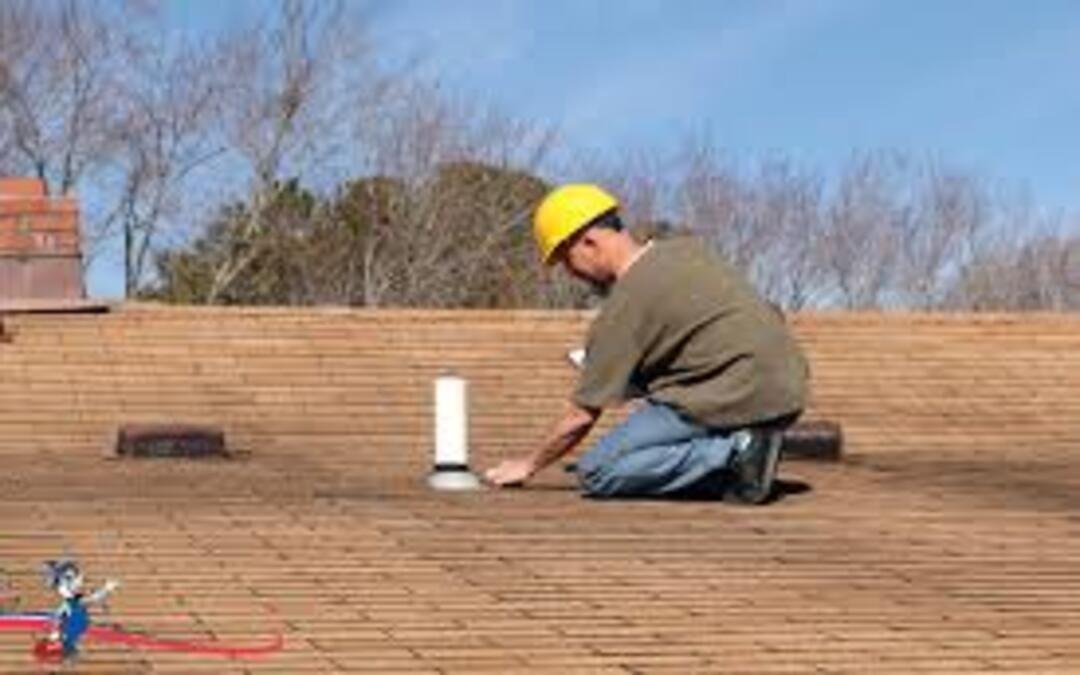
When it comes to home plumbing, most homeowners focus on visible elements like sinks, faucets, and drains. However, behind the scenes, a crucial component ensures your plumbing system functions smoothly — house plumbing vents. These often-overlooked features play a significant role in maintaining a safe, efficient, and odor-free home. In this article, we’ll explore the importance of plumbing vents, how they work, common problems, and why maintaining them is essential for a healthy home.
What Are House Plumbing Vents?
Plumbing vents, also known as vent pipes or vent stacks, are an integral part of your home’s plumbing system. They provide ventilation to the drainage pipes, allowing wastewater and sewage to flow freely out of the home while releasing sewer gases safely into the atmosphere.
Without plumbing vents, your drainage system would face frequent clogs, slow water flow, and unpleasant odors. Think of them as the “lungs” of your plumbing system, ensuring everything runs efficiently.
How Do Plumbing Vents Work?
Plumbing vents are typically installed vertically and connect to the drainage system. Their primary functions include:
- Airflow Facilitation: Plumbing vents maintain atmospheric pressure in the drainage pipes. This prevents a vacuum from forming when water flows through the pipes, which could otherwise block proper drainage.
- Preventing Sewer Gas Buildup: Sewer gases, such as methane and hydrogen sulfide, are released during the decomposition of organic waste. Plumbing vents safely redirect these gases out of the home, avoiding harmful health effects and unpleasant smells.
- Supporting Proper Water Flow: When you flush a toilet or drain a sink, the vent allows air to enter the pipe system. This ensures smooth and uninterrupted flow, preventing issues like gurgling sounds or backflows.
Types of Plumbing Vents
There are several types of plumbing vents, each serving a specific purpose based on your home’s plumbing layout. Here are the most common types:
- Main Vent Stack: The main vent stack is the primary vent pipe that runs vertically through the home and extends above the roofline. It connects to the drainage system and provides ventilation for all plumbing fixtures.
- Individual Vent: An individual vent serves a single fixture, such as a sink or toilet. It connects to the drainage pipe and ensures proper airflow for that specific fixture.
- Common Vent: A common vent is shared between two or more fixtures located on the same drain line. For example, a bathroom sink and toilet may share a common vent.
- Air Admittance Valve (AAV): An AAV is a one-way mechanical valve that allows air to enter the drainage system without releasing sewer gases. It’s often used in situations where traditional venting through the roof is not feasible.
Signs of Plumbing Vent Problems
Problems with your plumbing vents can lead to various issues that disrupt your household’s comfort and safety. Here are some common signs of vent problems:
- Slow Drains: If your sinks, tubs, or toilets are draining slower than usual, it could indicate a blockage in the vent pipes.
- Foul Odors: Unpleasant sewer smells in your home may result from vent pipes failing to release gases properly.
- Gurgling Sounds: If you hear gurgling noises when you flush the toilet or drain a sink, it’s a clear sign that air is not flowing correctly through the pipes.
- Backed-Up Water: Water backing up into sinks or tubs could indicate a venting issue causing pressure imbalances in the drainage system.
- Frequent Clogs: Recurring clogs might be a result of inadequate venting, which prevents water and waste from flowing properly.
Plumbing Vent Maintenance and Troubleshooting
Regular maintenance and timely troubleshooting can help prevent vent-related problems. Here are some tips to keep your plumbing vents in top shape:
- Inspect the Roof Vent: Check the vent pipe opening on your roof for debris, bird nests, or any obstructions that might block airflow.
- Clean the Vent Pipes: Use a plumbing snake or a hose to clear minor clogs in the vent pipes. For significant blockages, consider hiring a professional plumber.
- Seal Leaks: Inspect the vent pipes for cracks or leaks and seal them to avoid air and gas leakage.
- Monitor for Proper Flow: If you notice persistent drainage issues, it’s essential to have your plumbing system inspected by a qualified professional.
- Upgrade When Necessary: In older homes, vent pipes might not meet modern building codes. Upgrading your plumbing system can improve efficiency and compliance.
Plumbing Vents and Home Safety
In addition to ensuring the efficiency of your plumbing system, properly functioning vents play a critical role in maintaining home safety. Here’s why:
- Health Protection: Plumbing vents prevent harmful sewer gases from entering your living spaces, protecting your family from health risks like nausea, headaches, and respiratory issues.
- Prevention of Structural Damage: Excess pressure in the drainage system due to blocked vents can lead to pipe bursts, leaks, and potential water damage to your home’s structure.
- Odor Control: By releasing sewer gases outside, vents keep your indoor air fresh and free from foul smells.
DIY vs. Professional Help
While minor vent issues can often be addressed with DIY methods, it’s important to recognize when professional assistance is necessary. Complex problems, such as major blockages or vent pipe replacements, require the expertise of a licensed plumber.
Attempting to fix significant vent issues on your own could lead to further damage or costly repairs. Hiring a professional ensures the job is done correctly and safely.
Conclusion: Why Plumbing Vents Deserve More Attention
House plumbing vents may not be the most glamorous aspect of your home, but they are undoubtedly one of the most essential. By facilitating proper airflow, preventing sewer gas buildup, and ensuring efficient water flow, these unsung heroes keep your home comfortable, safe, and functional.
For more expert plumbing tips and tricks, as well as home improvement ideas, visit Home Comfort Experts. This website is a treasure trove of free resources, offering everything from practical plumbing advice to home decor inspiration inspired by celebrity homes. Whether you’re a DIY enthusiast or simply looking for ways to enhance your living space, Home Comfort Experts has you covered!
By understanding and maintaining your plumbing vents, you can prevent common household issues and ensure a healthier, more comfortable living environment. So, the next time you think about your plumbing system, don’t forget to give a nod of appreciation to the humble but vital plumbing vent!