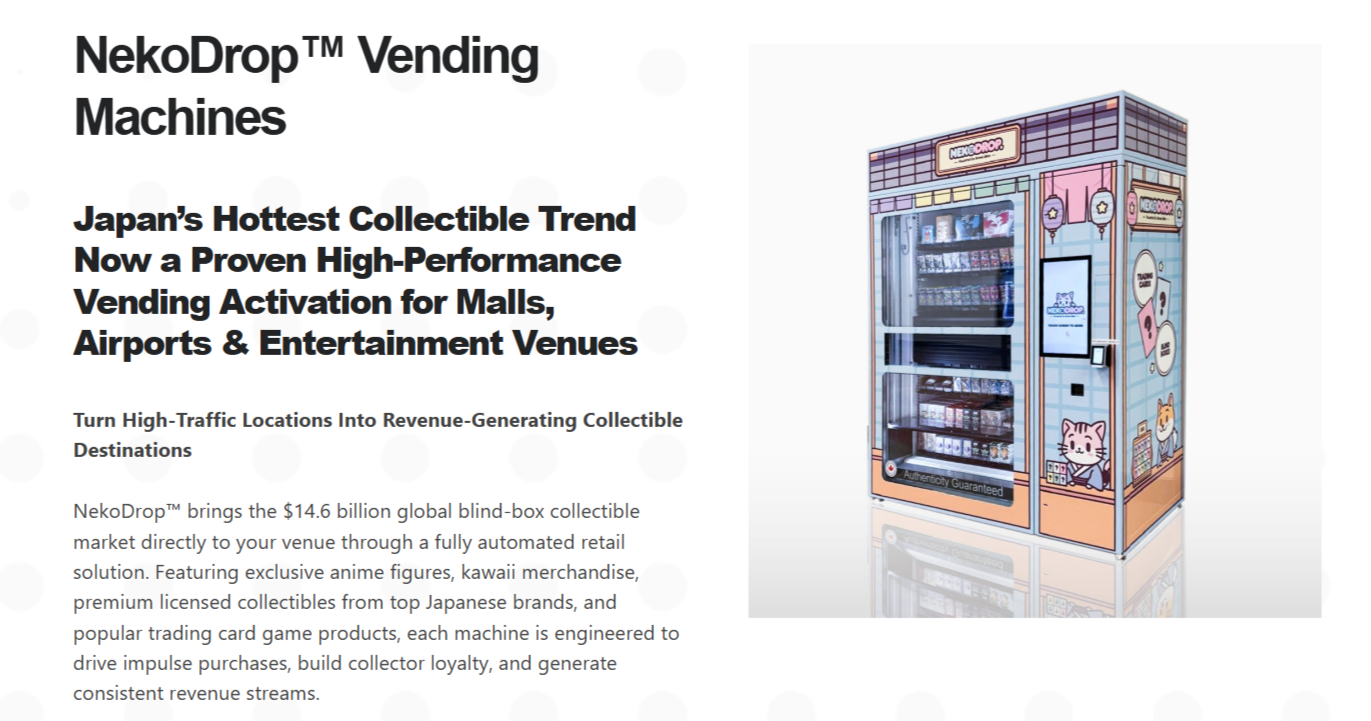
The modern retail landscape is undergoing a radical transformation, driven by a desire for tactile experiences and the thrill of the unknown. Walking through a bustling shopping center today, one might notice a vibrant, neon-lit corner drawing crowds of all ages toward rows of whimsical vending machines. Among these innovative retail attractions, NekoDrop stands out as a premier destination that perfectly captures the excitement of Japanese capsule toy culture for a global audience. This surge in popularity is not merely a passing fad; it represents a significant shift in consumer behavior where the act of purchasing is inseparable from the joy of discovery.
The Rise of the “Kidult”
For decades, the toy industry was strictly segmented by age. Toys were for children, and collectibles were for niche hobbyists. However, the last five years have seen the rise of the “kidult”—a demographic of adults, primarily Gen Z and Millennials, who openly embrace the hobbies and aesthetics of their childhood. This cultural shift toward kidulting is fueled by a mix of nostalgia and a need for “soft” escapism in an increasingly high-pressure world.
Unlike previous generations that might have viewed toy collecting as immature, today’s young adults see it as a form of self-expression and mental wellness. Small, high-quality figurines offer a sense of “micro-joy.” They are affordable luxuries that fit perfectly on a work-from-desk or a bookshelf. The gacha model—where a customer pays a small fee for a randomized prize—complements this lifestyle perfectly. It provides a low-stakes gamble that results in a physical reward, satisfying the brain’s craving for dopamine without the heavy price tag of traditional luxury goods.
From Akihabara to the Local Mall
The word “gacha” (or Gashapon) is onomatopoeic, mimicking the sound of a hand-cranked lever turning (gacha) and the plastic capsule dropping into the tray (pon). While these machines have been a staple of Japanese street corners and train stations for half a century, their migration to Western shopping centers marks a new era in retail entertainment.
The traditional vending machine was a utility: you inserted coins to receive a specific drink or snack. The Japanese gacha model flipped this script by selling an experience. By bringing this concept to Western malls, companies are filling a void left by the decline of traditional department stores. Retailers are realizing that to get people off their couches and away from Amazon, they must offer something that cannot be replicated digitally. The physical interaction of turning the dial and the tactile sensation of opening a pressurized plastic shell is a sensory experience that defines the modern “retailtainment” trend.
The Viral Power of the Unboxing Experience
In the digital age, a product’s success is often tied to its “shareability.” Gacha toys are designed for the camera. The mystery element creates a natural narrative arc for content creators: the anticipation of the pull, the sound of the capsule cracking open, and the final reveal of the “chase” figure or the common “dupe.”
Platforms like TikTok and Instagram have been instrumental in the global gacha explosion. Unboxing videos, specifically “blind box” openings, garner millions of views. For the creator, it is an easy way to engage an audience with high-energy, suspenseful content. For the viewer, it is a vicarious thrill. This digital ecosystem creates a feedback loop; as more people post their hauls online, more consumers flock to physical locations to try their luck. The “FOMO” (fear of missing out) generated by seeing someone pull a rare, limited-edition figure drives consistent foot traffic to mall kiosks and dedicated gacha shops.
The Aesthetics of Collectibility
One of the reasons the gacha craze has taken such a firm hold in the West is the sheer variety and quality of the merchandise. Gone are the days of cheap, disposable trinkets found in grocery store bubblegum machines. Modern gacha prizes are often intricate works of art, featuring collaborations with major anime franchises, famous illustrators, and even high-fashion brands.
There is a specific aesthetic appeal to these toys that resonates with the “minimalist maximalist” decor trends popular on social media. Whether it is a series of cats wearing tiny hats, miniature replicas of retro furniture, or stylized versions of popular superheroes, there is a collection for every subculture. The small scale of the items makes them “collectible” in the truest sense; they are easy to display in bulk, creating a visually satisfying array of colors and shapes that look excellent in photos.
Why Malls Are Embracing the Capsule
For mall developers, the gacha craze is a lifeline. As traditional clothing retailers struggle, small-footprint, high-margin installations are becoming the gold standard for filling floor space. Gacha machines require minimal staffing, take up very little square footage, and have a remarkably high turnover rate.
Furthermore, these machines act as “anchor” attractions for a younger demographic. A group of friends might visit the mall specifically to see if a new series has dropped, and while there, they will spend money on food, movies, and other retail offerings. It turns the mall back into a social hub rather than just a place of commerce. The communal aspect of gacha culture—where strangers often trade “dupes” (duplicates) right in front of the machines—fosters a sense of community that is rare in modern shopping environments.
The Psychology of the “Near Miss”
The gacha experience taps into the same psychological triggers as gaming and collecting. There is a specific thrill in the “near miss.” When a collector opens a capsule and finds the one figure they didn’t want, their first instinct is often to try again immediately. The low price point (usually ranging from five to ten dollars) makes it easy to justify “just one more turn.”
This “gamification” of shopping is a hallmark of Gen Z consumer habits. This generation grew up with loot boxes in video games, so the transition to physical gacha machines feels natural and intuitive. However, unlike digital loot boxes, the physical nature of the capsule toy provides a permanent, tangible item that holds its value—and sometimes even appreciates—in the secondary collector’s market.
A Sustainable Future for Small Toys?
As the craze grows, the industry is also looking at its environmental footprint. Many manufacturers are beginning to experiment with biodegradable capsules or “capsule-less” designs where the toy’s body actually forms the outer shell. This evolution shows that the gacha trend is maturing, moving from a novel import to a permanent fixture of the global retail economy.
The “kidulting” trend shows no signs of slowing down. As long as adults seek out small moments of surprise and delight to punctuate their daily routines, the sound of the turning crank will continue to echo through mall hallways. The Japanese gacha experience has successfully translated across borders because the thrill of a mystery and the joy of a tangible reward are universal human experiences.
Conclusion
The transformation of the local mall into a gallery of capsule surprises is a testament to the power of experiential retail. By focusing on the “pull” rather than just the “product,” brands have found a way to make shopping exciting again. Whether it is a seasoned collector looking for a rare variant or a casual shopper drawn in by the bright colors and cute designs, the global gacha craze is proof that sometimes, the best things really do come in small packages. The era of the “kidult” is here to stay, and the world is more than happy to keep turning the dial.