Navigating Your Cosmic Best Friends List
If you have noticed a glowing, gold-ringed badge appearing on a friend’s Snapchat profile, you have stumbled onto Snapchat Planets (officially called the Friend Solar System). This exclusive, premium feature gamifies your social circle by turning your top interactions into a miniature galaxy.
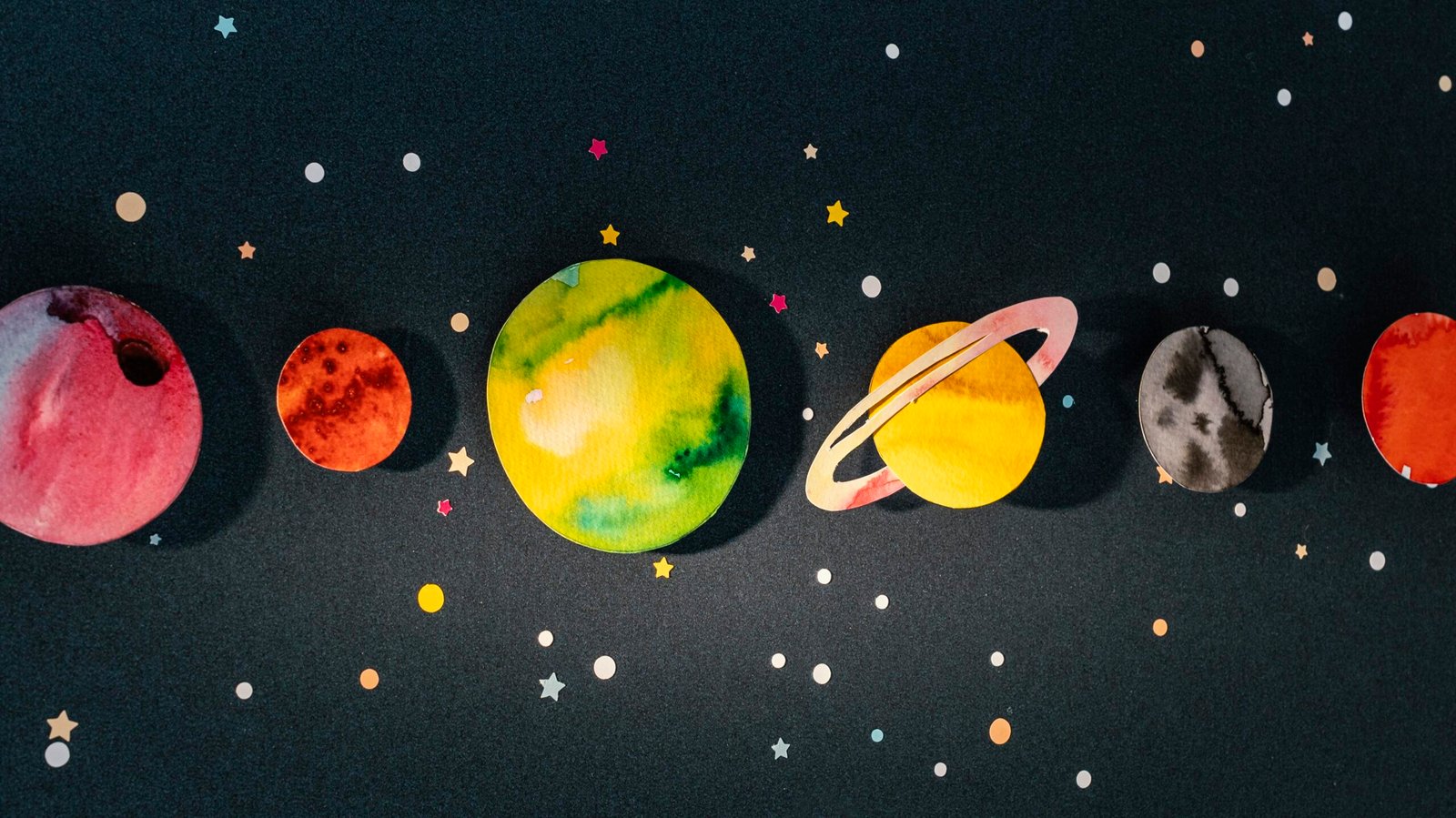
In this cosmic lineup, you are the Sun, and your top eight Best Friends orbit around you as the planets. The closer a planet’s real-world orbit is to the Sun, the more frequently you interact with that person on the app.
Who Can Use Snapchat Planets?
The Friend Solar System is an exclusive perk available only to Snapchat+ subscribers.
To protect user well-being and prevent social anxiety, Snapchat sets this feature to disabled by default. To activate it, subscribers must manually go to their profile, tap the Snapchat+ management banner, and toggle the Friend Solar System option on.
The Snapchat Planets Order and Meaning
Each of the eight traditional planets represents a specific mathematical rank (from #1 to #8) on your Best Friends list. Your position is determined by an algorithm tracking private 1-on-1 Snaps, chat frequency, story interactions, and active Snap streaks.
| Rank | Planet | Visual Appearance | What It Means |
|---|---|---|---|
|
#1
|
Mercury | Red planet surrounded by pink hearts | Closest Friend: The person you talk to and Snap with more than anyone else. |
|
#2
|
Venus | Light brown planet with yellow, blue, and pink hearts | Second Closest: A highly active contact just a tier below your top spot. |
|
#3
|
Earth | Green and blue planet with red hearts, stars, and a moon | Third Closest: A core member of your inner circle with steady, daily contact. |
|
#4
|
Mars | Red planet with floating blue and purple hearts | Fourth Closest: A close friend you chat with frequently throughout the week. |
|
#5
|
Jupiter | Large orange planet with dark, distinct stripes | Fifth Closest: A familiar connection with routine, though slightly less frequent, updates. |
|
#6
|
Saturn | Yellow-gold planet featuring its signature rings and stars | Sixth Closest: A casual relationship where communication is steady but periodic. |
|
#7
|
Uranus | Solid greenish-blue planet wrapped in yellow stars | Seventh Closest: Someone on your outer social ring with minimal daily interactions. |
|
#8
|
Neptune | Dark blue planet with subtle rings and a lonesome look | Eighth Closest: The final boundary of your Best Friends list; minimal or sporadic contact. |
How Your Ranking is Calculated
The app calculates your planetary orbits using a mutual engagement metric. It doesn’t just look at how many Snaps you send; it evaluates the total back-and-forth communication relative to your total activity with everyone else.
-
Background Updates: Your solar system updates automatically in the background—typically shifting on a daily cycle rather than instantly changing after a single conversation.
-
Privacy Controls: Your full planetary lineup remains entirely private to you. Other users cannot see who populates your solar system. The only thing another Snapchat+ user can see is their own individual position in your system by checking the badge on your profile.
How to Check Your Ranking on a Friend’s Profile
If you and your friend both have Snapchat+ and have turned the feature on, simply open their Friendship Profile. Look for the gold-ringed Best Friends badge or Friends badge. Tapping this badge will instantly reveal your current planet assignment in their personal solar system.