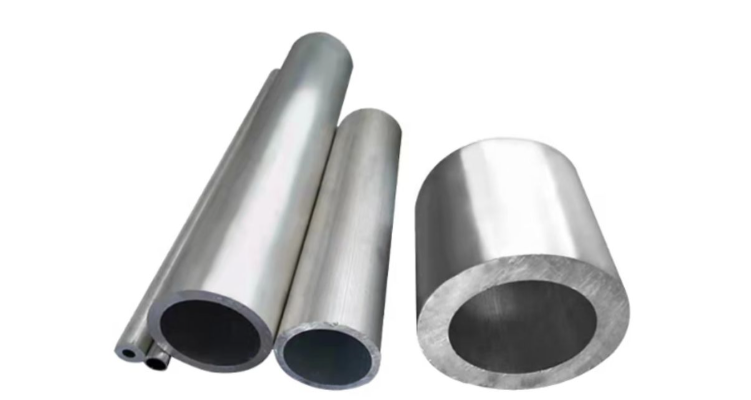
Metal tubing supports the systems we rely on every day. It carries water into homes, oil across long pipelines and hydraulic fluid inside heavy machines. From small workshops to large factories metal tubes help structures stand strong and machines run smoothly. Even though it looks simple the right tube can improve safety, performance and long-term cost savings.
If you are choosing metal tubing for a project, you need clear and practical information. Many guides list basic facts but do not explain how to make the best decision. In this article you will learn about different types of tubing, including seamless steel tube options, common materials, real-world uses and key factors to consider before buying. The goal is simple: help you choose the right tubing with confidence.
What Is Metal Tubing and How Is It Made?
Metal tubing is a hollow metal product with a round, square or rectangular shape. Manufacturers create it by shaping metal into a tube form, either with a welded seam or without one. When the tube is formed from a solid billet without a seam, it is called a seamless steel tube. This type offers uniform strength along the entire length. The manufacturing process depends on the material and final use. Welded tubing starts as a flat metal sheet that is rolled into shape and joined with a weld.
Seamless tubing begins as a heated solid bar that is pierced and stretched into a hollow tube. Each method has benefits, and the right choice depends on pressure, load and safety needs. After shaping, the tube may go through finishing steps such as heat treatment, cold drawing or surface polishing. These steps improve strength, accuracy and surface quality. The result is a product that fits specific industrial and structural demands with precision.
Main Types of Metal Tubing Used in Industry
Understanding the different types of metal tubing helps you match the product to your application. Each type offers unique features based on strength, finish and cost. While many guides mention only basic differences, it is important to look deeper at performance under real working conditions.
Seamless steel tube products are widely used in high-pressure systems. Welded tubes often work well for structural or low-pressure uses. There are also specialty tubes designed for hydraulic cylinders, heat exchangers, and decorative structures.
Below are the most common categories of metal tubing used across industries.
Seamless Steel Tube
A seamless steel tube has no welded seam. It is formed from a solid billet, which makes it strong and reliable under pressure. Because there is no joint line, stress spreads evenly around the tube. This feature makes it ideal for oil and gas pipelines, boilers, and hydraulic systems. Seamless tubes also perform better in extreme temperatures and high-pressure environments. Engineers often choose them for safety-critical systems.
Welded Steel Tubing
Welded steel tubing is made by rolling a flat steel sheet and welding the edges together. Modern welding techniques create strong joints, but the seam can still act as a weak point under high stress. For low-pressure systems and structural frames, welded tubing is often a cost-effective solution. This type is common in construction, fencing, and furniture frames. It offers good strength for general use and is usually more affordable.
Stainless Steel Tubing
Stainless steel tubing resists corrosion and rust. It works well in food processing plants, chemical factories, and marine environments. The added chromium in stainless steel forms a protective layer that prevents surface damage. This tubing type is also popular for decorative and architectural uses because of its clean finish. Although it costs more than carbon steel, it reduces maintenance in harsh environments
Aluminum Tubing
Aluminium tubing is lightweight and easy to handle. It resists corrosion and works well in transportation and aerospace industries. Because it weighs less than steel, it improves fuel efficiency in vehicles and aircraft. While aluminium is not as strong as steel in some cases, it offers an excellent strength-to-weight ratio. This makes it the best choice where there is a need to reduce weight.
Key Benefits of High-Quality Metal Tubing
- Provides strong structural support for buildings and machinery
- Safely supports pressure and stress in industrial applications
- Can be corrosion-resistant with the right material selection
- Accommodates precise machining and fabrication
- Can save on maintenance costs over time
- Can improve the reliability and safety of a system
High quality metal tubing guarantees the success of your project. The right material and manufacturing method protect both equipment and people.
Applications of Metal Tubing Across Industries
Metal tubing plays a vital role in many industries. In construction, it forms structural frames, scaffolding, and support beams. In automotive manufacturing tubes are used in exhaust systems, drive shafts and safety components. These applications demand strength, durability and accurate dimensions. In the energy sector seamless steel tube products carry oil, gas, and steam under high pressure.
Hydraulic systems use precision tubing inside cylinders and pumps to control motion and force. Even household plumbing systems depend on metal tubes to deliver clean water safely. Because tubing serves so many purposes, selecting the right type is critical. A poor choice can lead to leaks, cracks or system failure. Careful planning ensures long-term performance and safety.
How to Choose the Right Metal Tubing for Your Project
Start by understanding your application. Ask simple but important questions. Will the tube face high pressure or heavy loads? Will it be exposed to moisture, chemicals or heat? Clear answers help narrow down material options. Next review technical specifications such as wall thickness, diameter and strength ratings.
Thicker walls usually handle higher pressure. Seamless steel tube options are better for demanding environments where failure is not acceptable. Lastly it is essential to choose a supplier who has effective quality control as well as technical support. Good quality suppliers offer comprehensive documentation as well as effective communication.
Common Mistakes to Avoid When Buying Metal Tubing
Many buyers focus only on price. While budget matters the lowest price may not offer the best value. Poor-quality tubing can fail early and increase repair costs. Always balance cost with safety and durability. Another mistake is ignoring material compatibility. Using carbon steel in a highly corrosive environment can cause rust and system damage.
Stainless steel or coated tubing may be a better choice in such cases. Matching material to the environment protects your investment. Finally do not overlook proper storage and handling. Even high quality tubing can suffer damage if stored incorrectly. Protecting tubes from moisture and physical impact keeps them in top condition before installation.
Conclusion
Metal tubing may look simple but it plays a powerful role in modern life. From seamless steel tube systems in energy plants to structural frames in buildings, tubing supports strength, safety and performance. Understanding the types, materials and key specifications helps you avoid costly mistakes and choose wisely. When you invest in high quality metal tubing and work with trusted suppliers you protect your project and ensure long-term reliability. Smart decisions today lead to safer and stronger systems tomorrow.