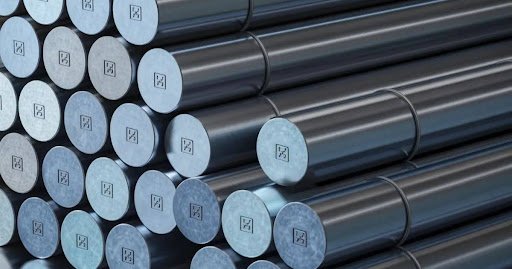
EN19T alloy steel is a high-strength engineering steel widely used in heavy-duty manufacturing and industrial applications. Known for its excellent toughness, wear resistance, and machinability, EN19T alloy steel performs reliably under high stress and demanding working conditions. Industries including automotive, oil and gas, aerospace, and general engineering depend on EN19T alloy steel for durable mechanical components.
With its balanced mechanical properties and strong heat treatment capabilities, EN19T alloy steel is ideal for shafts, gears, crankshafts, and high-performance engineering parts. Its combination of strength, durability, and long-term reliability makes it a preferred material for modern industrial manufacturing.
What Is EN19T Alloy Steel?
The EN19T alloy steel is a high-strength chromium-molybdenum engineering steel as per BS970 standards, suitable for challenging industrial applications. It has a very good toughness, fatigue resistance, wear resistance and mechanical strength, suitable for heavy-duty engineering parts.
Supplied in the hardened and tempered “T” condition, EN19T alloy steel provides improved durability and dimensional stability. It is employed throughout automotive, aerospace, oil and gas and general engineering applications for high-performance mechanical components.
Chemical Composition of EN19T Alloy Steel
The outstanding properties of EN19T alloy steel stem from its carefully balanced chemical composition. This mix of chromium, molybdenum, manganese and carbon enhances the hardenability, tensile strength, wear resistance, and toughness of the material.
Common compounds contain:
- Carbon: 0.36% – 0.44%
- Silicon: 0.10% – 0.35%
- Manganese: 0.70% – 1.00%
- Chromium: 0.90% – 1.20%
- Molybdenum: 0.15% – 0.25%
- Nickel: Up to 0.40%
- Sulphur: Maximum 0.040%
- Phosphorus: Maximum 0.035%
These alloying elements help the steel to resist mechanical stress, torsional pressure and the abrasive operating environment.
Key Mechanical Properties of EN19T Alloy Steel
The main advantage of EN19T alloy steel is its high mechanical properties. The steel has a good tensile strength, impact resistance and ductility.
Common mechanical properties in the hardened (and tempered) state are:
- Tensile strength: 850–1000 N/mm²
- Yield strength: About 680-700 N/mm²
- Hardness: 248–302 HB
- Excellent shock resistance
- Good fatigue strength
- Reliable wear resistance
- Excellent resistance to impact or shock loading
These characteristics qualify EN19T alloy steel for use in parts subjected to continuous operating stress, torsional force and cyclic loading.
Main Advantages of EN19T Alloy Steel
EN19T alloy steels have several engineering properties that make them highly desirable for use in various industrial applications.
High Tensile Strength
This material is used in high-loading situations where structural reliability and outstanding performance are critical. Resistant to mechanical wear, it ensures the continued functioning of components.
Excellent Toughness
EN19T alloy steel has a balanced composition, ensuring high toughness and shock resistance. This helps to minimise the threat of cracking or deformation in strenuous tasks.
Good Machinability
Despite its high hardness and strength, the steel is easily machined, whether softened or hardened. This helps ensure the smooth production and precision engineering.
Enhanced Wear Resistance
The surface hardening treatments, like nitriding or flame hardening, have a positive influence on the maintenance of the longevity of the components and they enhance the wear resistance of the surface.
Heat Treatment Flexibility
EN19T alloy steel is responsive to heat treatment, allowing manufacturers to adjust its mechanical properties and hardness to meet operational needs.
Common Applications of EN19T Alloy Steel
EN19T alloy steel is utilised in various industrial applications owing to its versatile engineering properties.
Automotive Components
EN19T alloy steel is often used in the automotive industry for:
- Crankshafts
- Gear shafts
- Connecting rods
- Axle shafts
- Drive train components
- High-strength fasteners
It’s highly resistant to fatigue and repetitive loading, making it an excellent choice for transferring mechanical assemblies.
Heavy Engineering Equipment
Manufacturers of industrial machinery employ EN19T alloy steel for parts that demand durability and dimensional stability, such as:
- Machine spindles
- Hydraulic shafts
- Precision-engineered parts
- Industrial gears
- Couplings
Oil and Gas Industry
Materials used in the oil & gas industry must be able to work under high pressure and extreme conditions. EN19T alloy steel is often used for:
- Drilling equipment
- Rotor shafts
- Structural mechanical components
- High-load fittings
Aerospace and Defence
EN19T alloy steel is used in some aerospace and defence engineering components that demand structural reliability due to its strength, toughness and wear resistance.
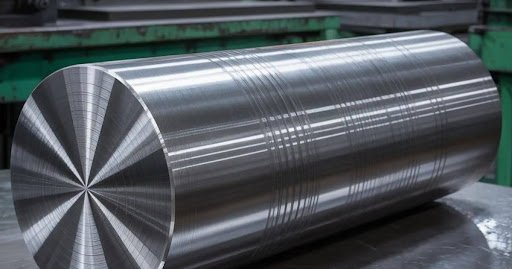
Why EN19T Alloy Steel Is Popular in Engineering
These are the materials that can be engineered to provide both mechanical strength and reliability in modern engineering applications. EN19T alloy steel is able to meet all these requirements and more.
The steel is capable of working effectively in conditions of:
- High rotational stress
- Continuous vibration
- Heavy impact loading
- Abrasive wear
- Elevated mechanical pressure
It has high fatigue resistance and structural stability, which can reduce equipment maintenance requirements and extend its service life. EN19T alloy steel is an excellent engineering choice for manufacturers that require long-lasting and reliable performance in alloy steel.
Industry Standards and International Equivalents
EN19T alloy steel conforms to recognised engineering and metallurgical standards, ensuring consistency and traceability.
Important equivalents include:
- BS970: 708M40
- European equivalent: 42CrMo4
- Werkstoff number: 1.7225
- ASTM equivalent: 4140 steel
- ISO equivalent: ISO 683-1
Conformance with these standards provides international engineering compatibility and material certification requirements.
Conclusion
EN19T alloy steel remains one of today’s most dependable and adaptable engineering steels available. It is known for its high tensile strength, toughness, wear resistance, ease of machining, and heat-treatment capabilities, making it ideal for demanding industrial applications.
Whether it’s for automotive systems, heavy engineering, or oil and gas applications, you can rely on EN19T alloy steel for superior mechanical properties and durability. The 708M40 steel has an outstanding anti-fatigue performance, good structural strength and compatibility with modern heat treatment technology, so it is a good material that engineers and manufacturers all over the world can rely on.