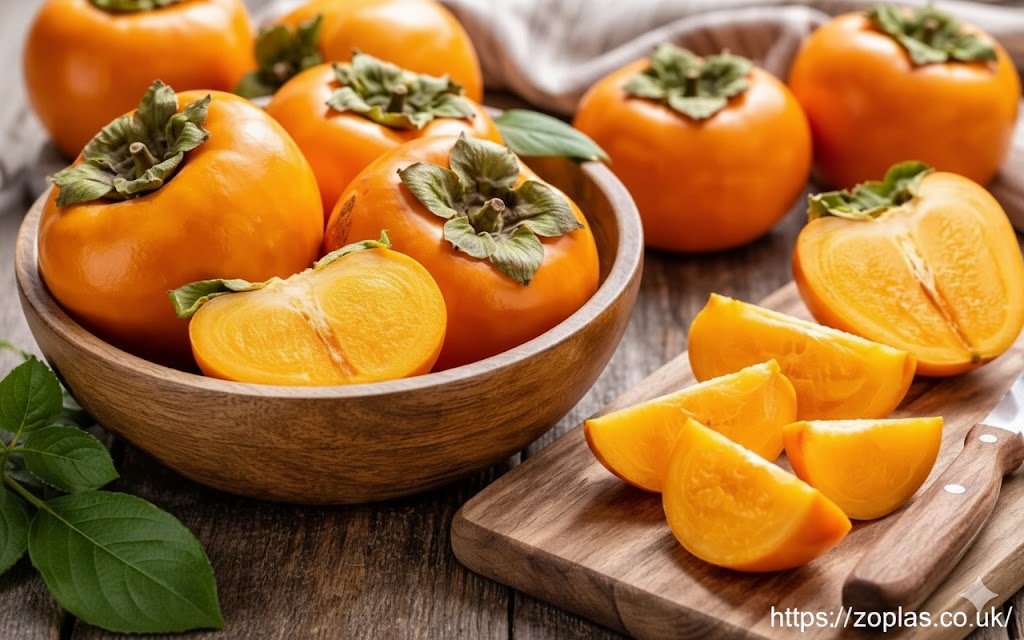
Caquis Persimon is a delightful fruit that has captured the hearts of many with its sweet flavor, crisp texture, and versatility in both the kitchen and beyond. Native to Asia and now widely cultivated in Mediterranean regions, this fruit offers a range of benefits from its nutritional value to its diverse culinary applications. Known for its firm texture and delightful sweetness, Caquis Persimon stands out in the world of fruits, offering something unique.
This article will explore the origin, growth process, health benefits, and cooking uses of Caquis Persimon — a fruit that has earned its place in kitchens, markets, and health-conscious diets around the world.
What is Caquis Persimon?
Caquis Persimon is a variety of persimmon (Diospyros kaki) that is harvested when it is still firm and crisp, unlike its traditional counterpart, which is often consumed when soft and jelly-like. The firm variety, often called Persimon, has been specially cultivated to remain sweet, non-astringent, and crisp at harvest. This makes it ideal for fresh eating, as it does not require the fruit to ripen fully before being consumed.
The name “Caquis Persimon” refers to this specific variety of persimmon that has undergone a special treatment to remove the astringency (bitterness) of unripe persimmons, allowing it to be eaten while still firm. This type of persimmon is popular in many countries, especially in Spain, where it has become a major export product under the protected name “Persimon”.
The fruit is typically orange in color, with a smooth, glossy skin and a sweet, mild flavor that is sometimes compared to a combination of apples, pears, and pumpkins.
Origin and Cultivation of Caquis Persimon
The persimmon tree, from which Caquis Persimon comes, is originally from East Asia, particularly China, where it has been cultivated for thousands of years. The fruit is well-known in countries like Japan and Korea, where it is used in various traditional dishes.
However, the Persimon variety, as we know it today, has its origins in the Mediterranean region, particularly in Spain. It was in Spain that farmers began perfecting the cultivation and harvesting of persimmons to create the firm, sweet fruit that became widely recognized as Persimon.
In the Ribera del Xúquer region of Valencia, farmers developed a special method to harvest Caquis Persimon when it is still firm. These fruits undergo a post-harvest process that removes the natural bitterness (astringency), allowing them to be enjoyed while still firm, unlike traditional persimmons which need to soften before they can be eaten.
Nutritional Value and Health Benefits
Caquis Persimon is more than just a delicious fruit — it’s also packed with essential nutrients and offers numerous health benefits. Here are some of the key nutrients found in Caquis Persimon:
1. High in Fiber
Caquis Persimon is rich in dietary fiber, which is essential for digestive health. Fiber helps to regulate bowel movements, prevent constipation, and promote a healthy gut. A high-fiber diet can also help manage cholesterol levels and blood sugar.
2. Rich in Vitamin C
Vitamin C is a powerful antioxidant that helps boost the immune system and protect the body against free radical damage. It also plays a role in wound healing, skin health, and iron absorption. A single serving of Caquis Persimon can provide a significant portion of the daily recommended intake of vitamin C.
3. Excellent Source of Vitamin A
Vitamin A, found in Caquis Persimon, is essential for healthy vision, immune function, and skin health. The fruit is particularly rich in beta-carotene, which is a precursor to vitamin A.
4. Potassium-Rich
Caquis Persimon contains a good amount of potassium, a mineral that is crucial for maintaining heart health, regulating blood pressure, and supporting proper muscle function.
5. Antioxidants
Persimon is packed with antioxidants, such as flavonoids and tannins, which help protect the body from oxidative stress, reduce inflammation, and support overall wellness. These antioxidants may help reduce the risk of chronic diseases, including heart disease and cancer.
Culinary Uses of Caquis Persimon
Caquis Persimon is incredibly versatile and can be used in various sweet and savory dishes. Whether you enjoy it fresh, in salads, or incorporated into baked goods, Caquis Persimon adds a sweet, refreshing touch to any recipe.
1. Fresh Consumption
One of the most popular ways to enjoy Caquis Persimon is by eating it fresh. You can simply peel the fruit and slice it into wedges or cubes. The firm, crisp texture makes it a perfect snack or addition to fruit bowls. It’s especially refreshing in the fall and winter months.
2. Salads
Caquis Persimon pairs beautifully with salads. Its natural sweetness complements leafy greens, such as arugula, spinach, or mixed greens. Add nuts like walnuts or almonds for a crunchy contrast, and top with a tangy balsamic vinaigrette or goat cheese for an extra layer of flavor.
3. Desserts
You can incorporate Caquis Persimon into cakes, tarts, or fruit compotes. Its sweetness and moisture content make it an ideal ingredient for desserts, and its firm texture helps the fruit hold its shape in baking. You can even add slices of Persimon to fruit crisps or pies for a seasonal treat.
4. Smoothies and Juices
Add Caquis Persimon to your morning smoothie or juice for a burst of natural sweetness. Pair it with other fruits like apples, oranges, or berries to create a nutrient-packed drink. The fruit’s rich flavor and smooth texture make it a great addition to blended beverages.
5. Roasted Dishes
Roasting Caquis Persimon enhances its natural sweetness and caramelizes the sugars. You can roast Persimon slices with a drizzle of honey, a sprinkle of cinnamon, and a dash of nutmeg to make a delightful side dish or dessert.
6. Savory Applications
While Caquis Persimon is often enjoyed in sweet dishes, it can also be used in savory applications. Add slices of Persimon to a cheese platter, pair with prosciutto, or use it in a roasted vegetable salad for a surprising twist on your regular meals.
Selecting and Storing Caquis Persimon
When selecting Caquis Persimon, look for fruits that have a firm texture but no bruises or soft spots. The skin should be smooth, shiny, and bright orange, signaling ripeness. Persimons should feel slightly heavy for their size, indicating they are full of moisture and flavor.
Storage Tips
- Room Temperature: If the fruit is slightly underripe, store it at room temperature until it ripens. It should soften slightly over the course of a few days.
- Refrigeration: Once ripe, Caquis Persimon can be stored in the refrigerator for up to a week. This helps maintain its freshness and firmness.
- Freezing: If you have an excess of Caquis Persimon, you can freeze slices for later use in smoothies or baked goods.
Conclusion: The Beauty and Versatility of Caquis Persimon
Caquis Persimon is a remarkable fruit that brings together the best of flavor, nutrition, and versatility. Its sweetness, crisp texture, and health benefits make it a wonderful addition to any diet, whether you enjoy it fresh, roasted, in desserts, or as part of a savory meal. With its nutrient-packed profile and wide range of uses, Caquis Persimo n stands out as one of the most delicious and healthy fruits of the autumn season.
Whether you are looking to improve your digestion, boost your immune system, or simply enjoy a sweet treat, Caquis Persimo n offers a delicious and nutritious option that can be enjoyed in countless ways.
So next time you find yourself in the produce aisle, be sure to pick up some Caquis Persimon — and experience the unique flavor and health benefits of this amazing fruit for yourself!
If you need more recipes or tips on using Caquis Persimon, feel free to ask! I’m happy to help with any other details you’d like.