Planning to ship your vehicle cross country?
Everyone spends weeks preparing for their move but neglects one of the most crucial details… Preparing their car for transport.
Leaving things to chance can lead to problems real fast.
Luckily.
Preparing your car for shipping doesn’t have to be stressful. By using this pre-move vehicle checklist, loading up the car for transport is:
- Free
- Simple
…and prevents headaches along the way.
Keep reading to learn:
- What Is Enclosed vs Open Transport?
- The Ultimate Pre Move Vehicle Checklist
- How To Decide Between Shipping Methods
- Pickup Day Do’s and Don’ts
What Is Enclosed vs Open Transport?
Before going any further…there’s an important decision to make between enclosed vs open transport.
Having a general idea which method is better suited for your vehicle is important because it plays into cost and how to prep the vehicle.
Here’s the breakdown:
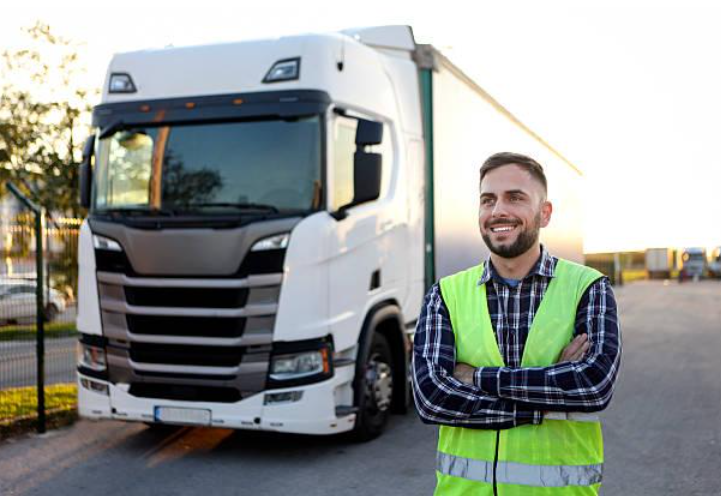
Open transport is a truck trailer loaded with vehicles. Just like you see at dealerships when they’re transporting new inventory to the sales lot. Approximately 90% of all car carriers use open transport. It’s cost-effective and can be great for normal passenger vehicles.
Enclosed transport has the vehicle(s) inside a trailer with walls. It protects your vehicle from the elements and any debris on the road. This shipping method is typically used for luxury vehicles, exotic cars or anything valuable.
But wait…
Enclosed transport can cost 30–60% more than open transport on average. So unless you’re shipping something valuable…open transport makes the most sense. No matter which method is chosen, always work with vetted car shipping carriers that have years of professional experience transporting vehicles.
Let’s prepare the car for transport.
The Ultimate Pre Move Vehicle Checklist
Here is where most people go wrong.
They give the car to the transporter with no prep and wonder why there were issues at delivery. Let’s make sure that doesn’t happen to you.
Photograph & Document The Vehicle Before Pickup
If there’s one thing to take away from this entire checklist. This is it.
Take pictures of the entire vehicle. Exterior and interior. Every angle possible. Front, back, sides, roof, wheels etc.
Date stamp the photos so they can’t be tampered with. These pictures are your best friend if something were to happen while in transit.
Remove all existing damages no matter how small. Dents, scratches, chips. Make notes regarding every imperfection on the vehicle. Having this reference will be helpful when cross-referencing the Bill of Lading when the driver picks up the vehicle. Damages not documented prior to transport will be nearly impossible to prove later on.
Cleaning The Exterior & Interior
Believe it or not…cleaning the vehicle is just as important as documenting damages.
Not only will this make it easier to identify damages at delivery…but it helps the carrier driver do a more thorough inspection prior to loading the car onto the trailer.
You’d be surprised how many small scratches and dings go undocumented because they can’t be seen behind a layer of mud. Simply wash and wipe down the interior.
Tackle Mechanical Details
The vehicle shouldn’t have any existing issues that would prevent it from driving. But before it’s loaded onto the trailer it’s worth checking a few things beforehand:
- Tire pressure is at proper levels — All tires should be inflated to the manufacturers specifications
- Battery is fully charged
- All fluids are full — Make sure there are no leaks that could cause issues on-route
- Fill up the tank about a quarter of the way — Enough fuel to load and unload the vehicle but not so much that it’s considered overweight
One last tip…
Deactivate any toll tags or parking transponders. Nobody wants to return from delivery to find hundreds of dollars in toll charges.
Tie Down or Remove Loose Items
Believe it or not…but this is a step that many people skip.
Personal items should be removed from the vehicle. Most carriers will not cover personal items left inside the vehicle while in transit. If it’s not yours, remove it.
If there are any aftermarket additions that aren’t tied down securely, remove them too. Think:
- Spoilers
- Antennas
- Side mirror folding capability? Fold them in
- Retract the antenna
- Remove roof racks / bike racks
Simple rule of thumb: If it can move…remove it.
How To Decide Between Shipping Methods
With the prep out of the way…it’s time to officially decide between enclosed vs open transport.
Making the right decision comes down to a couple factors.
Go with open transport if:
- It’s a normal passenger vehicle
- You’re looking to save money
- Driving through weather debris isn’t a concern
Choose enclosed transport if:
- Vehicle value exceeds $50,000
- It’s a classic, exotic or luxury vehicle
- You absolutely need maximum protection
Honestly. Enclosed vs open transport all boils down to how much the vehicle is worth and how much risk you’re willing to take. If you’re shipping a Honda Civic…or any typical sedan or SUV…open transport will get the job done without breaking the bank.
Pickup Day Dos and Don’ts
Okay, now the vehicle is prepped. The shipping method is reserved. It’s time to figure out what to do when that carrier driver arrives.
Inspect the vehicle with the driver. When the driver arrives to pick up your vehicle, walk around with them. Go over the Bill of Lading in minute detail. This is the document that details any existing damages prior to loading the vehicle onto the trailer.
Cross reference what the driver has documented with the photos/videos taken earlier. If anything is missing or inaccurate…raise a concern before signing that paperwork. Once you sign that Bill of Lading as “clean”…
Proving damage happened while in transit is difficult.
Give the driver one set of keys. Keep a set for yourself. Make sure to get the driver’s cell phone number and estimated delivery date.
You’re done. Let the carrier take it from here.
Final Thoughts
Preparing your car for transport with a professional carrier doesn’t have to be difficult. Use this pre-move vehicle checklist as a starting point to ensure everything is in order from start to finish.
To drive it home…
- Know the differences between enclosed and open transport
- Photograph the vehicle from top to bottom
- Give the vehicle a good cleaning
- Don’t forget about mechanical prep
- Tie down OR remove personal items
- Be present when the driver picks up the vehicle
Prepare now so you don’t have to deal with stress later.