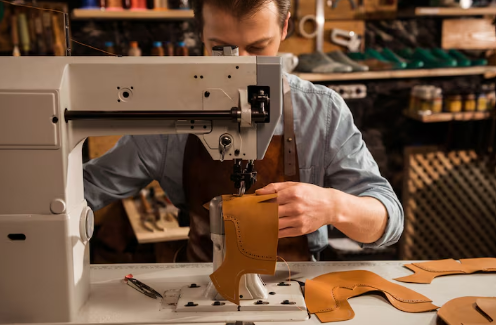
The fashion industry is one of the most dynamic in the world, and clothing manufacturers are always seeking the next big upgrade in efficiency to build high-quality shoes. With growing customer demand, faster delivery, and steadily growing production costs, efficiency in the operations has become the top priority. An element that gets overlooked, yet is critical to the success of any project, is stitch engineering—aside from materials, machinery, and automation.
Strong and effective stitching is essential for every shoe, whether running, hiking, safety, or casual loafer. Whether it’s poor stitching causing manufacturing delays, product defects, or customer complaints or well-engineered stitching, for example, increasing product durability, reducing waste, and streamlining manufacturing, seams can make a difference. Stitch engineering is not only about stitching; it is about developing more efficient production processes, which will give better production results.
What is Stitch Engineering?
Stitch engineering involves the selection of the appropriate stitch type, sewing machine thread, seam construction, needle, and machine setting to ensure it possesses the right combination of strength, durability, appearance, and productivity.
Manufacturers determine the appropriate stitching method for each shoe component. Areas such as the toe box, heel counter, tongue, collar, and eyelets experience different levels of stress, so each requires a stitching solution tailored to its function.
By carefully planning stitches, the production will be smoother, quality will be improved, and a more performative shoe will be achieved during its life.
Reducing Production Defects
A significant problem in footwear production is the control of sewing defects. Stitch breaks, stitch skipping, puckered seams, uneven stitch length, and thread breaks can slow down production and create rework-environment costs.
A lot of these problems do not occur because of human errors. These are generally the result of improper stitch planning, the wrong type of thread, and an erroneous machine setting.
With the proper engineering, the number of these defects can be substantially reduced by the manufacturer depending on the footwear design and material. The higher the error, the fewer items are rejected, the less time is spent out of production, and the quicker the production process.
Selecting the Right Stitch for Every Component
Different sections of a shoe bear different amounts of pressure. For instance, the sides of the toe and heel sections of the shoe undergo repetitive stress and wear from bending and from impact, and decorative panels are primarily aesthetic.
It can certainly make a difference if you use the correct type of stitch for each section. Stitches should be extremely tight or loosely made depending on the requirements: tight to be used for structural seams and flexible for areas where more flex should be allowed. High-stress areas require reinforcement of stitching and can be done without adding any extra weight.
Manufacturers don’t have to reinforce all the shoes from top to bottom, but only what’s necessary. This saves time and thread usage as well as overall efficiency.
Choosing the Right Sewing Thread
Even the best stitch design won’t be able to produce good results if the appropriate thread is not used.
Threads (nylon sewing thread) used in good sewing can resist the force of flexing, rubbing, getting wet, and stretching during the sewing process as well as during service. High-tenacity polyester bonded threads are preferred because of their excellent strength, durability, and sewing performance.
Premium threads also produce less lint and are less likely to break, allowing sewing machines to run continuously with fewer interruptions. This not only boosts productivity but also lowers maintenance requirements and reduces material waste.
Finding the Right Stitch Density
One myth is that the more stitches, the stronger the seams will be. In fact, too many stitches will cause poor tensile strength, particularly for leather and synthetic uppers.
However, an excess of stitches can cause it to be too bulky and heavy for daily use.
It’s important to strike the right balance. Starting stitches at an optimum density gives the ability to make an attractive, functional seam that is strong enough and uses the least amount of sewing time and thread. It also aids in maintaining the integrity of the material and creates more long-lasting footwear.
Matching the Needles with the Materials
Needles also share significance in the quality of the stitches. A wrong needle size or type can lead to damage of materials, breaks, and inconsistent stitches.
Each material—whether leather, mesh, knitted, or synthetic—has its own type of needle design. Additionally, periodic needle replacing is crucial, as the worn needles can lead to concealed faults, which have a negative impact on both product quality and production rate.
Using the right needles will help avoid jamming, messy lines, and delays to the production line.
Improving Machine Performance
Even high-end industrial sewing machines will need to be set up correctly and maintained regularly to function effectively.
Practices like keeping the right tension, adjusting the machine’s pressure on the fabric, changing any worn parts on the machine, and keeping equipment properly lubricated can be helpful. These modifications decrease thread breakage, produce uniform stitches, and make operators more productive.
Smooth machine working contributes to smooth production, which minimizes delays and boosts production output each day.
Standardizing Stitching Processes
One of the key aspects of shoemaking is consistency, especially for a company that makes thousands of shoes daily.
Unifying stitch specifications in the production line helps to ensure that all the operators are applying the same procedures. This covers the specifications of acceptable thread type, thread density, thread size, and type of seams used in each footwear style.
Standardization decreases the variance between products, makes training easier, and enhances quality control.
Bringing Automation and Smart Manufacturing to Support
Shoe-making factories are increasingly going towards automation, and that is the reason why the role of stitch engineering is getting more and more significant.
Today’s sewing machines and programmed machines rely on the correct siting parameters for consistent operation. Good stitch patterns carry several benefits in terms of automation of production along with quality.
Digital design software also lets engineers assess seam performance prior to manufacturing. Detecting the potential weaknesses in early stages can help manufacturers to minimize the number of physical products and speed the production process.
Minimizing Waste and Promoting Sustainability
Improved stitch engineering not only makes production more efficient but is also a cornerstone of more sustainable production processes.
Substandard stitching makes the components be rejected, causes damage to materials, and heightens the use of thread and repairs. Each imperfection in a seam is a loss of fabric, leather, thread, labor, and energy.
With the perfect stitch design and the right materials, manufacturers can minimize production waste and enhance durability of the final footwear. More durable shoes mean fewer repairs and replacements, hence a longer life cycle.
Investing in Workforce Training
Technological measures are not the answer to production efficiency. Highly qualified operators are still needed to provide quality stitching.
Machine training assists sewing teams with getting familiar with correct machine configurations, thread handling, using the correct needle, and quality standards. The operators, who can recognize problems early, can avoid the defect before it is spread to a whole production batch.
With state-of-the-art equipment, a highly trained staff is essential to producing the best stitch engineering plans.
Conclusion
While the appearance of footwear materials or production technology may get more attention than stitch engineering, there is no denying that it has an effect on production efficiency. All stitches affect the shoe’s strength, durability, look, and quality.
By choosing the right stitch types, using premium sewing threads, optimizing stitch density, maintaining sewing equipment, and standardizing production processes, footwear manufacturers can significantly reduce defects, minimize waste, and improve productivity.
With the sector’s ongoing evolution towards automation, sustainability, and innovation, stitch engineering will stay a major part of producing high-quality shoes and still be essential to dressing them efficiently. By adopting smarter stitching techniques, manufacturers can better satisfy consumer demands, cut down on manufacturing expenses, and ultimately compete in the worldwide shoe industry.