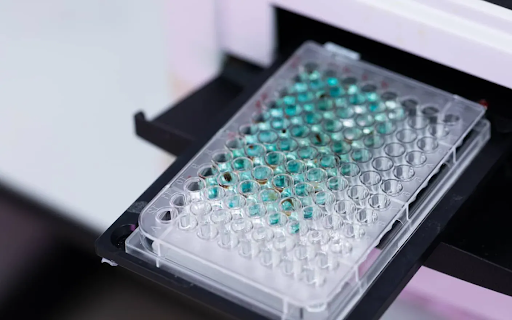
Scientists rely on highly sensitive analytical tools when they need to detect and quantify trace elements. Inductively coupled plasma mass spectrometry, commonly known as ICP-MS, stands out as one of the most precise techniques available. It allows researchers to measure elements at extremely low concentrations, often down to parts per trillion. This level of sensitivity becomes critical in fields where even minimal contamination can affect results or safety. Scientists use ICP-MS not only to identify elements but also to understand their distribution, origin, and potential impact. By combining plasma ionization with mass spectrometry detection, this method provides both accuracy and speed, making it a core tool in modern elemental analysis.
Core Applications Of ICP-MS Across Scientific And Industrial Fields
Trace Element Detection In Pharmaceutical Development
Scientists use ICP-MS extensively in pharmaceutical research to monitor elemental impurities. Even small amounts of metals such as lead, arsenic, or cadmium can affect drug safety and regulatory compliance. Researchers analyze raw materials, intermediates, and final products to ensure that impurity levels remain within acceptable limits. ICP-MS allows them to detect these elements at very low concentrations with high accuracy. This capability supports compliance with international guidelines and helps maintain product quality. Laboratories that support global drug development, including those working with WuXi AppTec, often integrate ICP-MS into routine workflows to ensure consistent and reliable elemental analysis throughout the development process.
Environmental Monitoring And Contamination Assessment
Scientists also apply ICP-MS to environmental studies where trace element detection is essential. They analyze water, soil, and air samples to identify pollutants and track contamination sources. This method allows researchers to detect heavy metals and other elements that may pose risks to ecosystems and human health. By measuring concentration changes over time, scientists can assess the effectiveness of remediation efforts and monitor environmental trends. ICP-MS provides the sensitivity required to detect early-stage contamination, enabling proactive intervention. This makes it a critical tool in environmental protection and regulatory monitoring programs.
Food Safety And Nutritional Analysis
Scientists use ICP-MS in food analysis to ensure safety and evaluate nutritional content. They measure both harmful elements and essential minerals in food products. Researchers analyze samples to detect contaminants such as mercury or arsenic while also quantifying nutrients like iron, zinc, and calcium. This dual capability allows them to assess both risk and nutritional value. ICP-MS supports quality control in food production and helps regulatory agencies enforce safety standards. Its accuracy ensures that results remain reliable even when dealing with complex food matrices, making it an indispensable technique in modern food science.
Analytical Advantages That Make ICP-MS A Preferred Technique
Ultra-Low Detection Limits Enable High Sensitivity
Scientists choose ICP-MS primarily because of its exceptional sensitivity. The technique can detect elements at extremely low concentrations, often far below the limits of other analytical methods. This capability allows researchers to identify trace contaminants that might otherwise go unnoticed. In pharmaceutical and environmental contexts, this level of detection becomes critical for ensuring safety and compliance. Scientists rely on this sensitivity to generate precise data that supports decision-making. The ability to measure such low concentrations distinguishes ICP-MS from many alternative techniques and makes it a preferred choice for high-precision analysis.
Multi-Element Analysis Improves Efficiency
Scientists often need to analyze multiple elements within a single sample. ICP-MS allows them to measure a wide range of elements simultaneously. This multi-element capability improves efficiency and reduces analysis time. Researchers can obtain comprehensive data from a single run rather than performing separate tests for each element. This approach not only saves time but also ensures consistency across measurements. The integration of icp icp-ms workflows into analytical pipelines reflects this advantage, as scientists streamline processes without compromising accuracy. This efficiency becomes particularly valuable in high-throughput environments where large numbers of samples require analysis.

Wide Dynamic Range Supports Diverse Sample Types
Scientists work with samples that vary widely in composition and concentration. ICP-MS accommodates this variability through a broad dynamic range. It can accurately measure both trace-level elements and higher concentrations within the same analytical framework. Researchers adjust instrument parameters to handle different sample types, from clean aqueous solutions to complex biological matrices. This flexibility allows ICP-MS to serve multiple applications without requiring entirely different systems. Scientists value this adaptability because it supports diverse research needs while maintaining consistent analytical performance across conditions.
Conclusion
ICP-MS plays a central role in elemental analysis by providing precise, sensitive, and efficient measurement of trace elements. Scientists use it across pharmaceutical development, environmental monitoring, and food safety to detect contaminants and evaluate composition. Its ability to deliver ultra-low detection limits, analyze multiple elements simultaneously, and handle diverse sample types makes it a preferred analytical tool. Researchers rely on ICP-MS not only for accurate measurement but also for generating data that supports safety, compliance, and scientific understanding. By integrating this technique into their workflows, scientists ensure that elemental analysis remains reliable, consistent, and aligned with modern research demands.