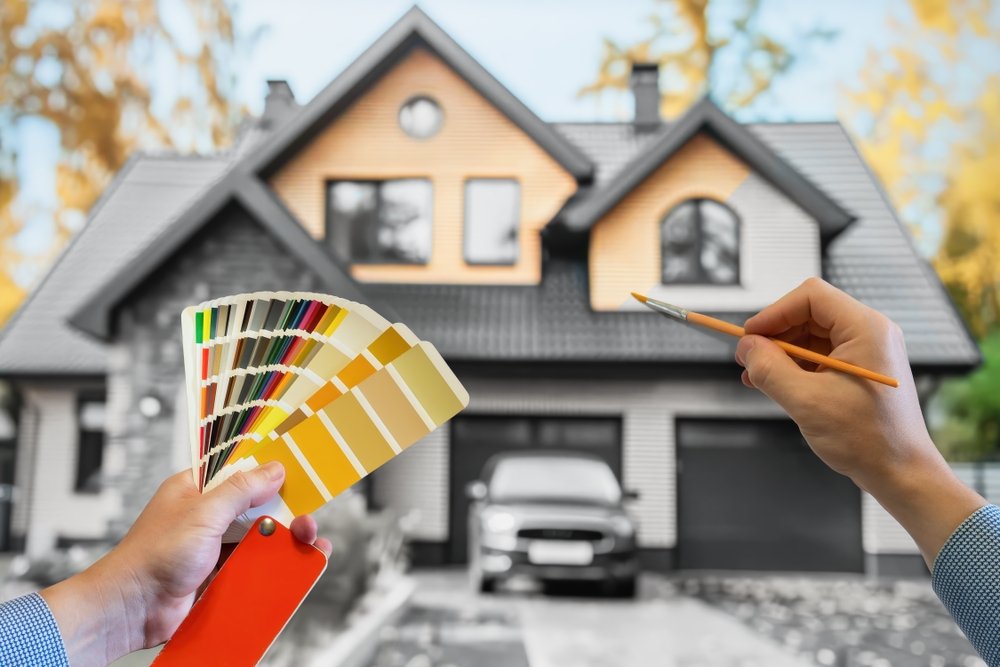
Exterior painting is one of the most effective ways to revitalize a home, enhance its curb appeal, and protect it from the elements. A well-executed exterior paint job not only improves the aesthetic appeal of a property but also serves as a protective layer against weather damage, moisture, and wear over time. Whether you are updating an older home or adding finishing touches to new construction, understanding the nuances of exterior painting is crucial for achieving a durable, professional, and visually stunning finish. From preparation to technique to long-term maintenance, mastering exterior painting involves careful planning, proper materials, and attention to detail at every step of the process.
Understanding the Importance of Exterior Painting
Exterior painting is far more than a cosmetic improvement; it is an investment in both the appearance and longevity of a home. Over time, exposure to sunlight, rain, wind, and temperature fluctuations can cause paint to fade, peel, or crack, leaving surfaces vulnerable to moisture penetration and structural damage. Proper exterior painting provides a resilient protective layer that prevents wood, siding, or other materials from deteriorating. Additionally, a well-chosen color palette can completely transform the character of a house, highlighting architectural features, complementing landscaping, and conveying a sense of style and sophistication.
Choosing to undertake exterior painting requires not only an eye for aesthetics but also an understanding of the materials involved and the environmental conditions in which the paint must perform. For example, wood siding, fiber cement boards, brick, stucco, and metal surfaces all have unique properties and require specific primers, paints, and application techniques to ensure adhesion and durability. Failing to consider these factors can result in premature paint failure, unsightly finishes, and costly repairs, making knowledge and preparation the foundation of any successful exterior painting project.
Preparing Surfaces for a Lasting Finish
Preparation is the most critical stage in exterior painting and directly impacts the quality, durability, and appearance of the finished project. A thorough preparation process begins with cleaning all surfaces to remove dirt, dust, mold, mildew, and grease. Power washing is often recommended for large areas and textured surfaces, but care must be taken to avoid damaging delicate materials or forcing water into seams and gaps. For stubborn stains or mold, specialized cleaning solutions can be applied to ensure surfaces are completely clean before painting.
After cleaning, addressing existing paint issues is essential. Peeling, flaking, or blistered paint must be scraped away, and any remaining edges sanded smooth to provide a uniform surface for the new paint. Cracks, holes, and imperfections in siding or trim should be filled with appropriate fillers or caulks, ensuring a smooth, seamless surface. Sanding is also necessary for glossy or previously painted surfaces to create the slight roughness needed for proper paint adhesion. Skipping these steps can compromise the longevity of exterior painting, causing peeling or bubbling within months of application.
Priming is another essential element of preparation. A high-quality primer serves multiple purposes: it seals porous surfaces, enhances paint adhesion, prevents stains or tannin bleed-through, and improves coverage and durability of the topcoat. Different materials require different primers, with oil-based primers often preferred for wood and water-based bonding primers used for masonry, metal, or composite surfaces. Allowing sufficient drying time after priming and lightly sanding the primer layer ensures that the subsequent paint layers adhere correctly and produce a smooth, professional-looking finish.
Selecting the Right Paint and Finish
The choice of paint and finish is crucial in exterior painting as it determines both the aesthetic outcome and long-term performance. Exterior paints are specially formulated to withstand harsh weather conditions, UV exposure, moisture, and temperature fluctuations. High-quality acrylic latex paints are widely preferred for their flexibility, fade resistance, and ease of application. These paints expand and contract with the surface as temperatures change, reducing the likelihood of cracking or peeling over time. Oil-based paints, while traditionally durable, may yellow or crack more easily in extreme conditions, making them less ideal for certain applications.
The finish of the paint also influences the appearance and practicality of the exterior. Flat or matte finishes can help hide minor surface imperfections and provide a classic, understated look, while satin and semi-gloss finishes offer a subtle sheen that highlights architectural details and improves washability. High-gloss finishes, though striking, may show imperfections more prominently and require exceptional surface preparation. Color choice is another critical aspect of exterior painting, as it affects curb appeal, visual perception, and harmony with surrounding elements such as landscaping, roofing, and neighborhood aesthetics. Selecting a durable, high-quality paint in the right color ensures that the home maintains its beauty and protection for years to come.
Techniques for Achieving a Professional Result
Achieving a smooth, long-lasting finish in exterior painting requires the right application techniques, tools, and patience. Brushes, rollers, and paint sprayers each have their advantages depending on the type of surface and project scale. Brushes allow precise work on trim, edges, and intricate details, while rollers are effective for broad flat surfaces, providing even coverage and faster application. Paint sprayers offer the fastest and smoothest finish for large areas but require careful masking of windows, doors, and fixtures to prevent overspray.
Proper layering is essential for durability and aesthetics. Applying multiple thin coats rather than a single thick coat ensures even coverage, reduces the risk of drips, and promotes better adhesion. Each coat should be allowed to dry thoroughly before sanding lightly to remove imperfections, which guarantees a professional and flawless finish. Environmental conditions such as temperature, humidity, and sunlight exposure should be considered, as these factors influence drying times, paint consistency, and overall performance. Taking the time to apply paint methodically and carefully is a critical factor in achieving results that rival professional-quality exterior painting.
Maintenance for Longevity
Once the exterior painting is complete, proper maintenance is key to preserving its appearance and performance over time. Regular inspection of painted surfaces allows homeowners to detect early signs of wear, such as peeling, cracking, or fading, and address them before extensive damage occurs. Cleaning exterior surfaces periodically with mild detergents or cleaning solutions prevents the accumulation of dirt, mildew, and grime, which can degrade the paint over time. Avoiding harsh chemicals or abrasive tools is essential to prevent scratching or weakening the protective layer.
Protecting exterior surfaces from excessive moisture and environmental stress is also important. Properly maintained gutters, roof overhangs, and ventilation reduce water exposure to painted surfaces, while landscaping and tree placement can help minimize physical and environmental damage. When minor chips or scratches occur, applying touch-up paint promptly ensures that the protective barrier remains intact, preventing deterioration and prolonging the life of the exterior painting.
Advantages of Exterior Painting Over Replacement
Choosing exterior painting over complete replacement of siding or trim offers numerous practical and financial benefits. Painting allows homeowners to completely transform the appearance of a home without incurring the high cost and disruption associated with removing and replacing building materials. It is also a more sustainable approach, as it minimizes waste and reduces environmental impact compared to replacing large quantities of siding, trim, or other materials.
Beyond financial and environmental advantages, exterior painting provides flexibility in design and customization. Homeowners can experiment with colors, textures, and finishes that reflect personal taste, architectural style, and contemporary trends, allowing a home to stand out or harmonize with its surroundings. The combination of cost-effectiveness, sustainability, and creative freedom makes exterior painting an appealing solution for homeowners seeking to enhance both the beauty and durability of their property efficiently and effectively.
Conclusion
Exterior painting is a transformative approach to home improvement that combines protection, style, and long-term value. Through proper surface preparation, selection of quality paints and finishes, application of professional techniques, and ongoing maintenance, homeowners can achieve a durable, attractive, and long-lasting result that elevates the appearance of any property. The benefits extend beyond aesthetics, providing protection from environmental stressors, increasing curb appeal, and offering a cost-effective alternative to full replacement.
By investing time and effort in exterior painting, homeowners can enjoy a renewed sense of pride in their property, create striking visual impact, and ensure the long-term preservation of their home’s exterior surfaces. When executed thoughtfully and with attention to detail, exterior painting becomes not just a cosmetic improvement but a meaningful enhancement that adds both beauty and value, transforming ordinary surfaces into lasting features that reflect style, quality, and care.