Living in a property that is poorly maintained can be stressful, dangerous, and even detrimental to your health. Whether you are a tenant in a private rental or a council property, landlords have a legal obligation to ensure that the property is safe, habitable, and in good repair. When landlords fail to meet these obligations, tenants may have grounds for housing disrepair claims. However, succeeding in such claims requires careful documentation and the right type of evidence. In this article, we will explore the types of evidence needed to strengthen your claim and guide you toward a successful outcome.
Understanding Housing Disrepair Claims
Before diving into the specifics of evidence, it’s important to understand what qualifies as a housing disrepair claim. A housing disrepair claim arises when a landlord breaches their legal duty to maintain a property in a safe and habitable condition. Common issues include:
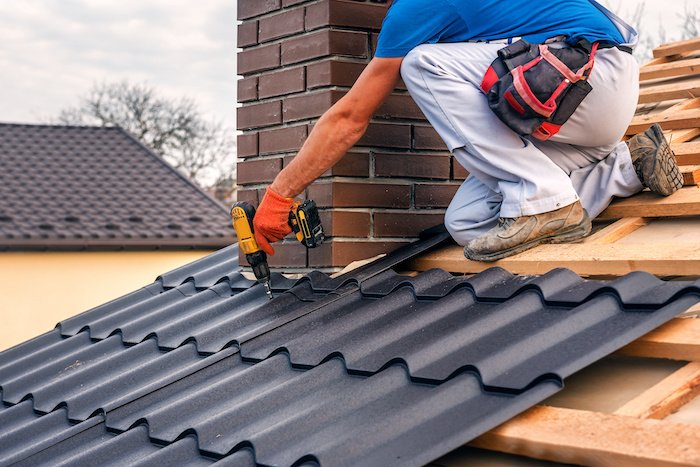
- Leaking roofs or windows
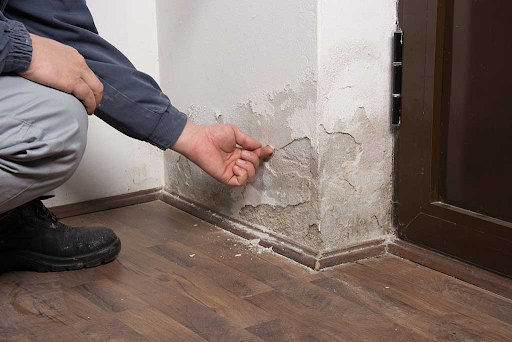
- Damp or mould growth
- Faulty plumbing or heating
- Electrical hazards
- Broken or unsafe structural elements
Tenants experiencing these problems may suffer physical or mental health impacts, property damage, and financial loss. Therefore, presenting a well-documented case is crucial for housing disrepair claims.
Keep a Detailed Record of Disrepair
The first step in building a strong case is maintaining a detailed record of the disrepair. This includes:
- Dates and times of issues: Note when each problem occurs or is noticed.
- Description of the problem: Be specific. For example, instead of writing “heating doesn’t work,” write “the central heating fails to heat radiators above 10°C despite setting thermostat to maximum.”
- Impact on living conditions: Explain how the disrepair affects your daily life, such as disrupted sleep, inability to cook, or health impacts.
A chronological record not only demonstrates the persistence of the issue but also shows that you have been proactive in documenting the problem, which can significantly strengthen your claim.
Photographs and Videos
Visual evidence is particularly compelling in housing disrepair claims. Photographs and videos provide an objective record of the problem and can show the extent of the damage over time. Key tips for capturing effective visual evidence include:
- Take clear, well-lit photos from multiple angles.
- Include a scale or reference point, such as a ruler or everyday object, to show the size of the issue.
- Capture the progression of the damage, such as mould spreading over weeks.
- Record videos showing problems in action, for example, a leaking ceiling or dripping tap.
Ensure that all images and videos are dated or include a timestamp. This helps establish the timeline of the disrepair, which can be critical in your case.
Correspondence with Your Landlord
A strong housing disrepair claims relies heavily on showing that your landlord was aware of the problem and failed to act within a reasonable timeframe. Save all correspondence with your landlord or property management, including:
- Emails
- Letters
- Text messages or chat logs
- Notices or formal complaints
Highlight any promises or timelines provided by your landlord. If they failed to carry out repairs within a reasonable period, this will support your claim. Remember, the more formal and documented your communication, the stronger your evidence.
Professional Reports and Inspections
For serious or complex disrepair cases, professional assessments can be invaluable. These reports may come from:
- Surveyors – provide an independent assessment of structural damage or maintenance issues.
- Environmental health officers – can inspect the property and issue official reports on health and safety concerns.
- Specialist contractors – electricians, plumbers, or builders can assess specific faults and provide written reports.
Professional documentation adds credibility to your claim because it confirms the existence and severity of the problem, making it harder for the landlord to dispute.
Medical Evidence
If the housing disrepair has affected your health, medical evidence is essential. This is particularly relevant for cases involving damp, mould, poor heating, or pest infestations, which can exacerbate respiratory conditions, allergies, or mental health issues. You should:
- Consult your doctor and explain the housing conditions.
- Request medical reports linking your condition to the property’s disrepair.
- Keep prescriptions, hospital letters, or referrals as evidence.
Medical evidence not only supports the claim of physical harm but may also be used to calculate compensation for pain and suffering.
Witness Statements
In some cases, witnesses can strengthen your claim. These may include:
- Neighbours who have observed the disrepair.
- Family members or housemates who can testify about the living conditions.
- Professionals such as contractors or surveyors who can confirm your account.
Witness statements should be written, signed, and ideally notarized to be used in legal proceedings. They can corroborate your claims, especially when the landlord disputes your account.
Receipts and Financial Records
If you have incurred costs as a result of the disrepair, such as temporary heating solutions, cleaning supplies, or alternative accommodation, retain receipts and financial records. These documents can be used to recover financial losses. Additionally, any records showing increased utility bills due to poor insulation or heating systems may further strengthen your case.
Keeping a Timeline
A clear timeline that integrates all your evidence – photographs, correspondence, reports, medical documents, and receipts – can make your housing disrepair claim more persuasive. A visual timeline or a detailed written chronology can help the court or tribunal understand:
- When the issues started
- How the landlord was notified
- The duration and severity of the disrepair
- Actions taken by both tenant and landlord
A well-organized presentation of evidence demonstrates diligence and can significantly increase your chances of success.
Legal Considerations
While gathering evidence is crucial, understanding your legal rights is equally important. Tenants in the UK have the right to a safe and habitable property under laws such as the Landlord and Tenant Act 1985. If your landlord fails to carry out necessary repairs, you may pursue legal remedies, including:
- Compensation for inconvenience, distress, or health impact
- Reimbursement of expenses incurred due to disrepair
- Court orders requiring the landlord to carry out repairs
Consulting a solicitor or a legal expert who specializes in housing disrepair claims can help ensure your evidence is used effectively and increase the likelihood of a successful outcome.
Conclusion
Successful housing disrepair claims depend on thorough preparation and robust evidence. From maintaining detailed records and visual documentation to gathering professional reports, medical evidence, and financial records, every piece of evidence strengthens your case. Consistent communication with your landlord and a well-structured timeline can further demonstrate the seriousness of the disrepair.
By taking a systematic approach to documenting issues and understanding your legal rights, you can significantly improve your chances of achieving a successful claim. If you are facing housing disrepair, act promptly, gather the necessary evidence, and consider seeking professional legal advice to ensure your rights are protected.