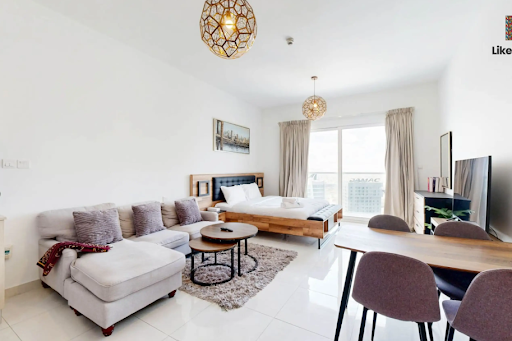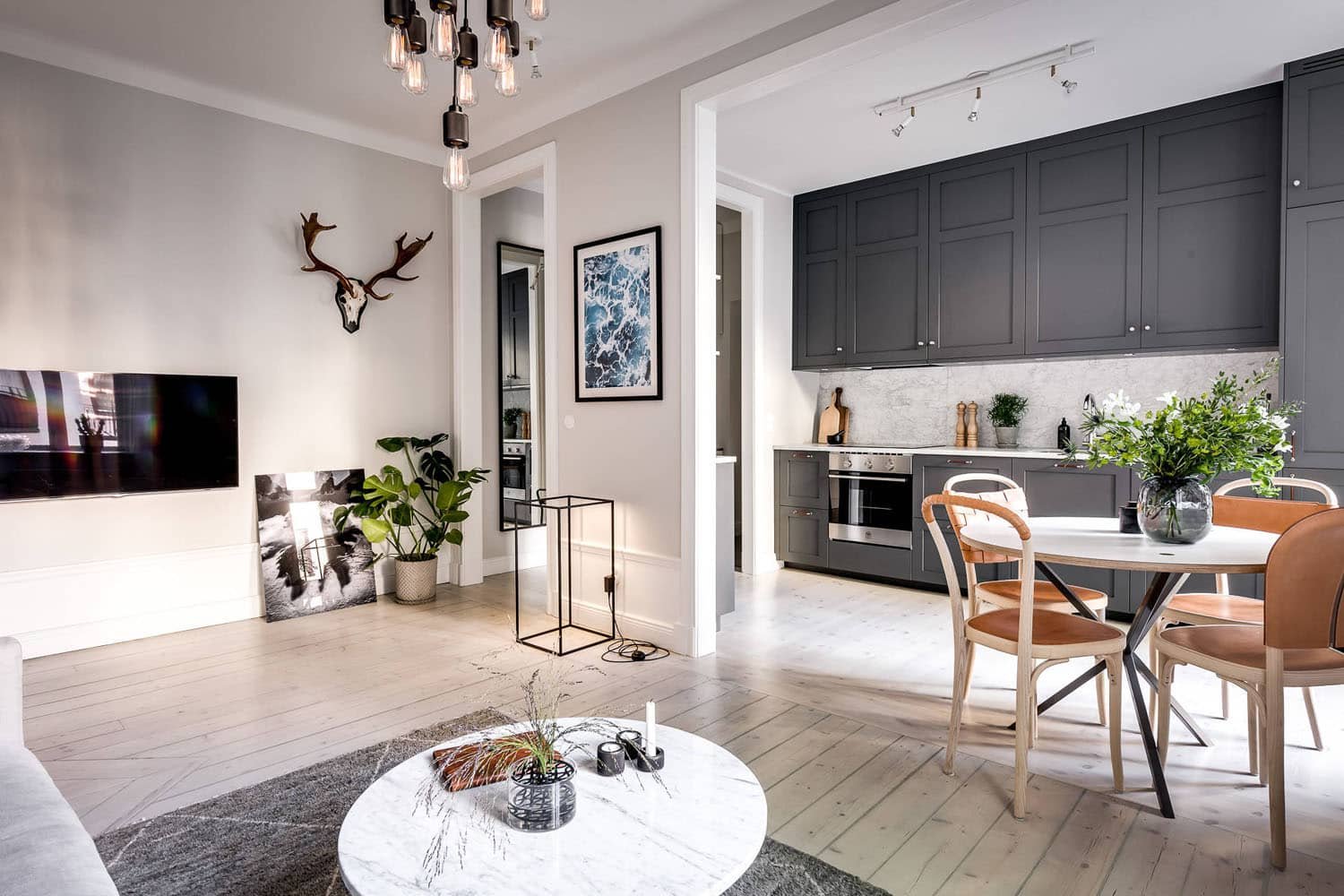
Moving into a new apartment creates a rare moment of possibility. The rooms are empty, the walls are clean, and the layout feels full of potential. Yet many people discover that choosing furniture for this blank space is far more difficult than expected. The challenge does not come from a lack of options. It comes from having too many.
Modern furniture markets offer endless choices. Scandinavian minimalism, industrial metal frames, mid-century wooden silhouettes, modular sofas, soft boucle fabrics, glass tables, reclaimed timber pieces. Online stores present thousands of products, each styled in perfect lighting. Social media multiplies the confusion. Every scroll reveals another apartment arranged with effortless style.
The problem is that photographs do not show how furniture functions in daily life. A room arranged for a photoshoot may look impressive, yet it may not suit the habits of the person living there. A narrow chair can photograph beautifully but feel uncomfortable after ten minutes. A low table might match a trend but prove impractical for meals or work.
Another common mistake appears when people try to furnish the entire apartment immediately. They buy a sofa, dining table, shelving units, side tables, lighting, rugs, and decorations within a single weekend. The result often feels forced. The room becomes crowded with pieces chosen quickly rather than thoughtfully.
Choosing furniture works best when decisions begin with lifestyle rather than style. The apartment is not a showroom. It is a place where daily routines unfold: mornings, work calls, cooking, reading, hosting friends, resting. Furniture should support these activities first. Aesthetic harmony follows more easily once practical needs are clear.
Start With How You Actually Live, Not With Style
Furniture planning begins by examining daily habits. This step sounds obvious but many people skip it. They begin by choosing a visual style instead of understanding how the apartment will function.
Daily routines shape furniture priorities. Someone who works from home needs a serious workspace. A person who cooks frequently requires generous kitchen storage and comfortable seating for meals. A household that hosts friends often needs larger seating areas and surfaces for food and drinks.
A helpful approach is to think in terms of activity zones rather than traditional rooms. A living room might contain three zones: conversation seating, television viewing, and reading. A kitchen might include cooking space, preparation surfaces, and casual dining. Bedrooms might double as work areas or dressing spaces.
Questions reveal these needs quickly. How many people sit together in the living room most evenings? Do you eat meals at a table or on the sofa? Do you read physical books or use a tablet? Do guests stay overnight? Each answer points toward different furniture choices.
Storage also plays a major role. Apartments often provide limited space for clothing, books, or household items. Wardrobes, cabinets, and shelving can prevent clutter from dominating the room. Storage furniture rarely appears in inspirational photos, yet it determines whether the apartment feels calm or chaotic.
Creating a priority list helps control spending and avoid impulse purchases. Essential pieces usually include seating, a dining or working surface, and a bed. Secondary items such as side tables, decorative lighting, or accent chairs can follow later. This order prevents the apartment from filling with items that look appealing but serve little purpose.
When lifestyle needs are clear, style decisions become easier. Furniture begins to form a practical structure rather than a collection of random pieces.
The Style Compass: Finding Direction Without Copying Trends
After practical needs are defined, attention can turn to style. This stage benefits from a simple rule: choose direction, not imitation.
Furniture styles often fall into recognisable families. Scandinavian design focuses on light woods, pale colours, and uncluttered shapes. Mid-century pieces feature tapered legs, warm timber tones, and curved forms. Industrial interiors combine dark metal, exposed materials, and simple construction. Contemporary minimalism favours smooth surfaces, neutral colours, and geometric shapes.
Each style creates a distinct atmosphere. Scandinavian interiors feel bright and calm. Mid-century spaces feel warm and inviting. Industrial rooms feel bold and urban. Contemporary minimalism emphasises simplicity and order.
Many apartments succeed when they adopt one dominant style supported by smaller influences. This approach prevents the room from feeling confused. A Scandinavian base might include oak tables, pale fabrics, and simple lighting. Mid-century elements could appear through a walnut cabinet or a curved armchair. Industrial accents might appear through metal shelving or dark lamps.
Personal taste often reveals itself through small signals. Some people naturally prefer straight lines and minimal decoration. Others gravitate toward curved shapes and textured fabrics. Wood tones also guide choices. Light oak suggests calm simplicity. Dark walnut introduces depth and contrast.
Colour preferences also reveal style direction. People drawn to neutral palettes often favour minimal or Scandinavian interiors. Those comfortable with bold colours may enjoy mid-century or eclectic spaces.
The goal is not to replicate a magazine apartment. Instead, the goal is to build a visual compass that guides future purchases. When a piece fits that compass, it belongs in the apartment. When it does not, it becomes easier to walk away.
The Colour Strategy: Creating a Palette That Lasts
Colour influences how a room feels more than almost any other design choice. Yet many people treat colour as an afterthought. They buy furniture first and worry about colour coordination later.
A useful method for organising colour is the 60-30-10 rule. In this approach, sixty percent of the room uses a dominant colour, usually neutral. Thirty percent introduces a secondary tone through furniture pieces or textiles. The final ten percent appears through accents such as cushions, artwork, or decorative objects.
Neutral colours often work best as a foundation. Shades of beige, cream, grey, and natural wood remain adaptable as furniture changes over time. Neutral foundations also prevent visual fatigue. A sofa used daily should feel comfortable to look at for years.
Accent colours provide character without overwhelming the room. A deep blue chair, rust-coloured cushions, or a green rug can bring life into a neutral interior. Because these pieces occupy smaller areas, they can be replaced easily if tastes change.
Natural light alters colour perception significantly. Rooms with large windows and southern exposure often amplify warm tones. Dark rooms may benefit from lighter fabrics and reflective surfaces. Observing how sunlight moves through the apartment during the day helps avoid colour surprises later.
Wood tones also act as colours within a room. Oak, walnut, teak, and ash each carry distinct hues. Mixing wood types can add depth when handled carefully. Too many competing tones, however, create visual noise.
Textiles offer safe opportunities for experimentation. Cushions, throws, curtains, and rugs allow new colours to enter the space without large investments. If a colour begins to feel tiring, textiles can be replaced easily while larger furniture pieces remain.
Materials Matter More Than Most People Think
Furniture materials determine durability, maintenance requirements, and long-term comfort. Many buyers focus on shape and colour while overlooking what the piece is actually made from.
Solid wood remains one of the most durable furniture materials. Oak, walnut, maple, and ash can last decades when properly maintained. Solid wood tables and cabinets also age gracefully, developing character rather than looking worn.
Engineered wood, such as plywood or medium-density fibreboard, offers a more affordable alternative. High-quality engineered panels provide stable construction for cabinets and shelving. Lower-quality versions may swell or chip when exposed to moisture. Checking the density and finish quality can reveal whether the piece will endure daily use.
Metal frames appear frequently in modern furniture. Steel or aluminium bases provide strength for chairs, tables, and shelving units. Powder-coated finishes protect against scratches and corrosion. Thin metal legs also create a lighter visual profile compared with bulky wooden supports.
Upholstery fabrics deserve careful consideration. Natural fibres such as cotton and linen feel breathable and comfortable. Wool blends offer durability and resistance to wrinkles. Synthetic fabrics such as polyester often resist stains and fading, making them practical for high-traffic seating.
Leather furniture develops a distinctive patina with age. High-quality leather becomes softer over time, though it requires regular conditioning to prevent drying or cracking. Faux leather provides a lower-cost option but may peel after extended use.
Tabletops introduce another material category. Stone surfaces such as marble or granite add weight and visual interest but require sealing to prevent stains. Composite materials and laminates offer easier maintenance at lower cost.
Mixing materials creates visual depth within a room. A wooden dining table paired with metal chairs or a fabric sofa placed beside a stone coffee table introduces contrast without overwhelming the space. Balanced combinations often feel richer than rooms filled with identical materials.
The Layout Test: Furniture That Works in Real Space
Furniture dimensions determine whether a room feels open or crowded. Many people underestimate how large certain pieces appear once placed inside a smaller apartment.
Measurement prevents most layout problems. Before purchasing large items, measure both the room and the furniture. Pay attention to doorways, hallways, and staircases as well. A sofa that fits comfortably inside the living room still needs to pass through the entrance.
Clear walking paths should remain throughout the apartment. Interior designers often recommend at least sixty to ninety centimetres of circulation space between furniture pieces. This distance allows people to move comfortably without squeezing between objects.
Tape can help visualise furniture footprints before buying anything. Mark the outline of a sofa or table on the floor using painter’s tape. Walk around the marked area to test whether the room still feels balanced.
Scale also affects visual harmony. A large sectional sofa may overwhelm a compact living room, while a tiny coffee table can look lost in a larger seating arrangement. Matching the scale of furniture pieces prevents awkward proportions.
Multi-purpose furniture helps maximise smaller spaces. Storage beds, extendable dining tables, and modular seating units provide flexibility when space is limited. A kitchen island with seating can serve both cooking and dining needs. In some apartments, tall counters with seating may even incorporate restaurant bar stools, which provide elevated seating without occupying the space required for a full dining set.
Lighting placement should also influence layout. Floor lamps require clear floor space. Table lamps need surfaces within reach of seating areas. Planning lighting early prevents awkward rearrangements later.
Creating a focal point often stabilises the room visually. In living rooms, this point might be a sofa facing a television or fireplace. In bedrooms, the bed naturally becomes the centrepiece. Furniture arrangement should support this focal orientation.
The Slow Apartment: Why the Best Homes Grow Over Time
The strongest interiors rarely appear overnight. Professional designers often complete projects gradually, adding layers of furniture and decoration over months. This slower approach allows each piece to settle naturally into the space.
Living in the apartment reveals its true needs. After a few weeks, certain patterns emerge. Perhaps the sofa faces the wrong direction for evening light. Perhaps the dining table proves too small for guests. Perhaps additional storage becomes necessary.
Gradual furnishing reduces the risk of expensive mistakes. Instead of purchasing ten items immediately, start with the essential pieces: bed, seating, table, and storage. Observe how the apartment functions before adding more.
Lighting often evolves slowly. A basic ceiling fixture may suffice initially, followed later by floor lamps or wall lighting that improves comfort during evenings. Rugs and textiles can also enter gradually as colour schemes develop.
Artwork deserves patience as well. Large prints or paintings influence the mood of an entire room. Waiting until furniture placement is stable prevents awkward spacing or mismatched proportions.
Personal objects eventually shape the apartment’s identity. Books, travel souvenirs, ceramics, photographs, and plants add life beyond basic furniture. These elements develop over time through daily living rather than deliberate decoration.
A slowly furnished apartment often feels more authentic. Each piece arrives with intention rather than urgency. The room becomes a record of choices rather than a snapshot of trends.
Choosing furniture for a new apartment therefore becomes less about perfection and more about progression. Start with what supports daily life. Build a style direction gradually. Let colour and materials develop naturally. The apartment will grow into itself as its occupants do the same.