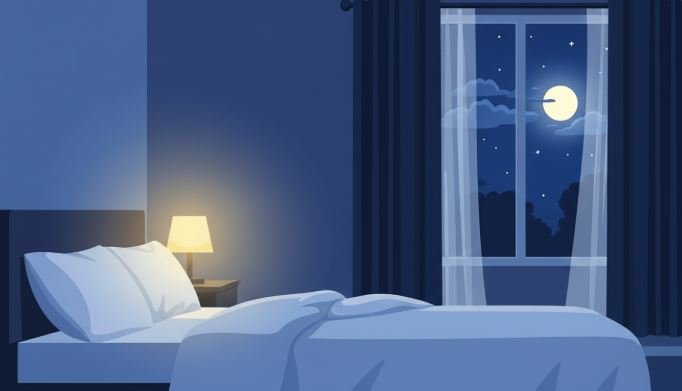
Sleep should be a time of rest, but for many people, it becomes a nightly struggle filled with racing thoughts and restlessness. Anxiety-related insomnia is increasingly common, leaving individuals trapped in a cycle of fatigue and mental exhaustion.
When anxiety might show up at night, it often brings agitation, sleep disturbances, and an inability to fully relax. This problem goes beyond occasional sleeplessness. Chronic anxiety disrupts both the mind and body, making quality sleep feel out of reach.
The good news is that science-backed strategies can help break this cycle. By understanding the root causes and applying practical changes, you can improve sleep quality and regain control over your nights.
Key Reasons Anxiety Leads to Sleepless Nights
Anxiety disrupts sleep through a combination of mental, emotional, and physical responses. Understanding these underlying causes helps explain why falling and staying asleep becomes difficult, especially when anxiety-related insomnia creates a continuous cycle of restlessness and fatigue.
- Mental hyperarousal and racing thoughts
- Physiological stress response activation
- Conditioned sleep anxiety
- Disruption of natural sleep cycles
- Nighttime panic attacks
- Medical and biological contributors
Mental Hyperarousal (Racing Thoughts):
Anxiety keeps the brain in a constant state of alertness, even when the body is ready to rest. Thoughts about past mistakes or future worries become louder at night due to the lack of distractions. This mental noise prevents the transition into a calm, sleep-ready state.
As a result, individuals often find themselves replaying conversations or imagining worst-case scenarios. This mental loop creates cognitive overload, making it difficult to slow down naturally.
Over time, this pattern trains the brain to associate nighttime with thinking rather than resting. This is a key factor in anxiety-related insomnia.
Physiological Stress Response:
When anxiety is triggered, the body activates the “fight or flight” response. This leads to the release of stress hormones like cortisol and adrenaline, which are designed to keep you alert and responsive.
These hormones increase heart rate, raise blood pressure, and create muscle tension. All of these physiological changes are the opposite of what the body needs for sleep.
Even if you feel physically tired, your body remains in a heightened state. This mismatch between fatigue and alertness contributes to poor sleep quality.
“Sleep Anxiety” (Conditioned Arousal):
After repeated nights of poor sleep, many individuals develop a fear of not being able to sleep. This is known as sleep anxiety, and it creates a psychological barrier to rest.
Lying in bed becomes associated with frustration and worry rather than relaxation. This conditioned response reinforces insomnia, making the problem worse over time. The more you try to force sleep, the more pressure you create. This often leads to a self-fulfilling cycle of sleeplessness.
Disruption of Sleep Architecture:
Anxiety does not just affect falling asleep, it also impacts the structure of sleep itself. It reduces time spent in deep and restorative sleep stages. Frequent awakenings throughout the night prevent the body from completing full sleep cycles. This leads to fragmented sleep and poor recovery.
As a result, individuals often wake up feeling unrefreshed, even after spending enough time in bed. This is a hallmark of chronic sleep disturbances.
Nighttime Panic Attacks:
Some people experience sudden panic attacks during sleep, known as nocturnal panic. These episodes can cause intense fear, rapid heartbeat, and shortness of breath.
Being abruptly awakened in this state makes it extremely difficult to return to sleep. The experience can also increase fear of going to bed the following night. This creates a reinforcing loop where anxiety both causes and is worsened by poor sleep.
Medical and Biological Factors
Certain biological conditions can amplify anxiety-related insomnia. Hormonal imbalances, medication side effects, and underlying health issues can all play a role.
For example, stimulants like caffeine or nicotine can worsen nighttime alertness. Even some medications or searches like “buy xanax 1 mg tablets online UK” reflect attempts to manage anxiety, but should always be approached cautiously and under medical supervision.
Building a Consistent Sleep Routine
A structured sleep routine is essential for regulating your body’s internal clock. Consistency helps reduce anxiety at night, improves sleep onset, and creates a predictable rhythm that supports deeper, more restorative sleep over time.
Fixed Sleep and Wake Times
Maintaining a consistent sleep schedule is one of the most effective ways to regulate your internal clock. Going to bed and waking up at the same time every day helps align your circadian rhythm.
Even on weekends, consistency matters. Irregular schedules can confuse your body and worsen sleep disturbances. Over time, your body begins to naturally prepare for sleep at the same hour, making it easier to fall asleep.
Creating a Wind-Down Ritual
A calming pre-sleep routine signals to your brain that it’s time to relax. Activities like reading, meditation, or gentle stretching can help transition from wakefulness to rest.
Avoid stimulating activities such as checking emails or scrolling on your phone. These can trigger anxiety and delay sleep onset. Consistency in your routine reinforces the brain’s association between these activities and sleep readiness.
Avoiding “Revenge Bedtime Procrastination”
Many people delay sleep to reclaim personal time after a busy day. This behavior, known as revenge bedtime procrastination, reduces total sleep time.
While it may feel rewarding in the moment, it ultimately contributes to fatigue and increased anxiety. Setting boundaries around bedtime and prioritizing rest is essential for long-term sleep quality.
Optimizing Your Sleep Environment
Your surroundings play a major role in sleep quality. A well-designed sleep environment reduces external disturbances and internal stress, allowing your body to relax more easily and transition into restful sleep without unnecessary interruptions.
Ideal Bedroom Conditions
Your sleep environment plays a crucial role in how well you rest. A cool, dark, and quiet room promotes deeper sleep. Reducing noise and blocking light can significantly improve sleep continuity. Even small disruptions can affect sleep quality. Consider using blackout curtains or white noise machines to create a stable sleep setting.
Bed and Mattress Quality
An uncomfortable bed can contribute to physical discomfort and agitation, sleep disturbances, and frequent waking. Investing in a supportive mattress and suitable pillows can improve posture and reduce tension during sleep. Comfort directly influences how quickly you fall asleep and how often you wake up during the night.
Decluttering and Psychological Comfort
A cluttered bedroom can subconsciously increase stress and anxiety. A clean, organized space promotes a sense of calm and control. Your bedroom should be associated with relaxation, not work or stress.
Avoid using it for activities like working or watching intense content. Creating a peaceful environment helps signal to your brain that it is a place for rest and recovery.
FAQs
1. What is anxiety-related insomnia?
Anxiety-related insomnia occurs when excessive worry or stress prevents you from falling or staying asleep. It often involves racing thoughts and physical tension at night. Over time, it can become a chronic condition.
2. Why do I feel more anxious at night?
At night, there are fewer distractions, allowing worries to surface more strongly. The brain becomes more focused on unresolved thoughts. This can intensify anxiety symptoms before sleep.
3. Can lifestyle changes really improve sleep quality?
Yes, consistent routines, relaxation techniques, and a proper sleep environment can significantly improve sleep. These strategies help regulate both the mind and body. They are often recommended as first-line treatments.
4. Is medication necessary for sleep problems?
Medication may help in some cases, but it is not always the first solution. Behavioral strategies like CBT-I are often more effective long-term. Always consult a healthcare professional before considering options.
5. How long does it take to improve sleep habits?
Improvements can begin within a few days, but lasting changes usually take a few weeks. Consistency is key to retraining your sleep patterns. Small daily habits make a big difference over time.
Reclaim Your Nights, Restore Your Peace
Struggling with sleep can feel overwhelming, especially when anxiety keeps your mind and body in constant motion. But the cycle of poor sleep and heightened stress is not unbreakable. By understanding how anxiety affects sleep and applying practical, science-backed strategies, you can gradually regain control.
From building a consistent routine to optimizing your sleep environment, each small change contributes to better rest. The key is consistency, patience, and awareness. Over time, your nights can become a place of calm rather than conflict, helping you wake up refreshed, focused, and ready for the day ahead.