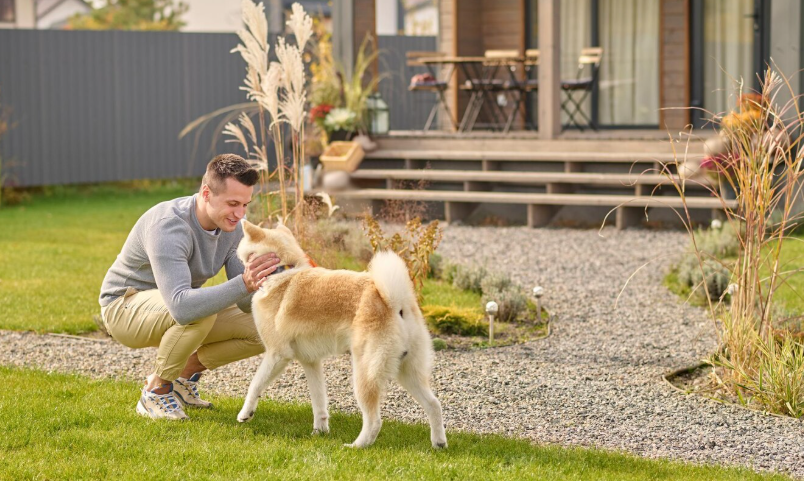
A garden should work for every member of the household, including pets. For many homeowners, that means creating an outdoor space that is safe, easy to clean, and enjoyable for dogs and people alike. The challenge is that pets can be hard on traditional gardens. Natural grass often turns muddy, patchy, and worn, while planting beds and soft landscaping can quickly become difficult to manage.
That is why more homeowners are exploring pet friendly garden ideas built around artificial grass. It offers a cleaner, more practical foundation that stands up better to daily use and helps create an outdoor space that feels more comfortable for the whole family. When planned well, a pet friendly garden can still look stylish while being much easier to live with.
Why Artificial Grass Works Well for Pet Owners
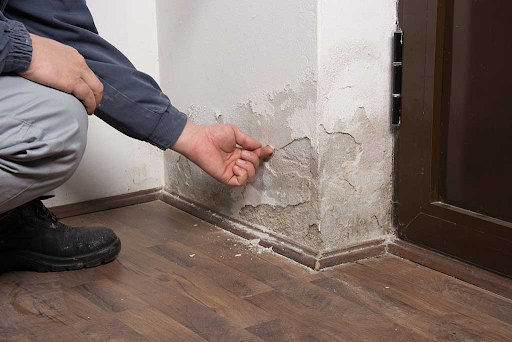
Natural lawns can be unpredictable in homes with pets. Dogs running, digging, and using the garden regularly often leave the grass struggling to recover. Wet weather makes things harder, turning the lawn into a muddy surface that gets tracked back indoors on paws and shoes.
Artificial grass helps solve many of those everyday problems. It stays greener, cleaner, and more consistent throughout the year. Instead of dealing with bare patches and muddy areas, homeowners get a more reliable surface that keeps the garden looking tidy and usable.
For people considering artificial grass in Doncaster, the appeal often comes from this balance of practicality and appearance. A pet friendly lawn should not mean sacrificing the overall look of the garden. Artificial grass makes it easier to have both.
Start With a Durable, Easy to Clean Surface
The surface of the garden is one of the most important decisions in any pet friendly design. Dogs need room to move comfortably, and homeowners need a surface that can handle regular use without becoming difficult to maintain. Artificial grass is a strong choice because it creates a softer and more welcoming feel than large paved areas while being far easier to manage than natural grass.
A well installed artificial lawn is also much easier to clean. Leaves, pet hair, and light debris can be removed more easily, and the surface can be rinsed when needed. This helps the garden stay fresher and more pleasant for both pets and people.
For busy households, this makes a big difference. A garden that is easier to clean is a garden that gets used more often.
Create Space for Play and Movement
Pets, especially dogs, need room to move. A pet friendly garden should include an open area where they can run, play, and relax comfortably. Artificial grass works well for this because it creates a consistent surface across the space and helps reduce the mess that often comes with worn natural lawns.
In larger gardens, this might mean a broad lawn area with enough room for movement and games. In smaller gardens, it could simply mean keeping the central layout open and uncluttered. Either way, giving pets space to move freely helps the garden feel more functional.
People researching artificial grass in Manchester often want a garden that works for real daily life, not just appearance. A pet friendly layout should make the space easier to enjoy for everyone while still keeping it attractive.
Use Borders and Planting Carefully
Plants can still play an important role in a pet friendly garden, but they should be chosen and positioned carefully. Delicate borders can easily get damaged if pets run through them, and some plants may not be ideal in spaces where animals spend a lot of time. Raised planters or clearly defined planting areas often work better because they help keep greenery protected while still adding softness and color.
Artificial grass pairs very well with this kind of setup. The neat lawn keeps the space looking structured, while the raised planting areas add visual interest without interfering with how the garden is used. This combination creates a more balanced and manageable outdoor design.
It also helps the garden feel more intentional, rather than becoming a patchwork of damaged grass and trampled flower beds.
Make the Garden Easier to Clean
A truly pet friendly garden is not just safe. It is also easier to maintain. One of the biggest advantages of artificial grass is that it supports a cleaner routine. There is less mud to worry about after rain, less lawn damage to repair, and fewer messy spots where pets have worn the ground down.
Simple additions can improve this even more. A paved path near the back door can help reduce dirt entering the house. A washing area or outdoor tap can make it easier to rinse paws or clean the space when needed. Storage for pet toys and accessories can also help keep the garden tidy.
These practical details make daily life easier and help the garden stay more enjoyable over time.
Add Shade and Comfort
Pets need comfort outdoors just as much as people do. A pet friendly garden should include areas of shade and rest, especially during warmer months. Trees, pergolas, awnings, or shaded corners near the house can all help create a more comfortable environment.
Artificial grass works well in these spaces because it stays visually consistent even where natural lawns may struggle due to shade. This means homeowners do not have to choose between providing a comfortable spot for pets and keeping the lawn looking attractive.
A comfortable garden is also one that gets used more often by the whole family. When pets have space to rest and play, the garden becomes a more relaxed and enjoyable place overall.
Keep the Layout Simple and Safe
Complicated layouts can make pet friendly gardens harder to manage. Too many decorative features, tight corners, or fragile materials can limit how useful the space feels. Simplicity usually works best. A clear lawn area, some defined planting, a seating zone, and a few practical additions are often enough to create a stylish and pet friendly garden.
Artificial grass supports this kind of simple design very well. It gives the space a calm, green foundation that works with both modern and family friendly layouts. It also helps the garden feel softer and more welcoming than a space dominated by paving or gravel.
Better for Everyday Living
One of the main reasons artificial grass is so popular in pet friendly gardens is that it supports everyday life. It is easier to maintain, better at handling regular use, and more dependable through different weather conditions. Instead of constantly fixing lawn damage or cleaning up mud, homeowners can spend more time enjoying the garden with their pets.
That is what makes the biggest difference in the long run. A successful pet friendly garden is not just one that looks good after installation. It is one that continues to work well day after day.
Final Thoughts
Pet friendly garden ideas with artificial grass offer a practical way to create an outdoor space that works better for both pets and people. A durable lawn, simple layout, protected planting, easier cleaning, and comfortable shaded areas can all help transform the garden into a cleaner and more usable environment.
For households that want a stylish garden without the constant mess and maintenance of a natural lawn, artificial grass is a smart solution. It helps create a space that feels welcoming, functional, and far easier to enjoy all year round.