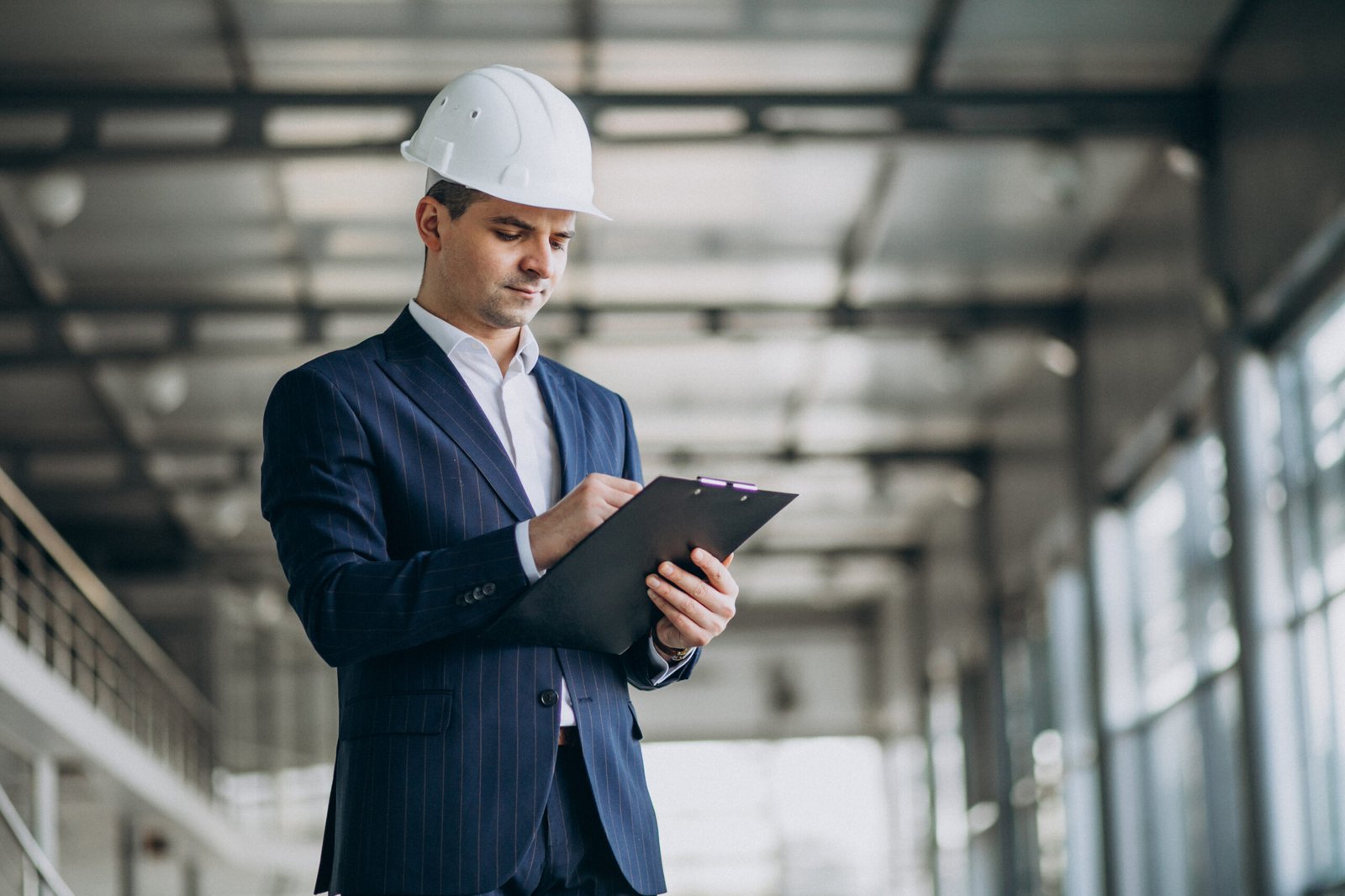
A commercial roof inspection helps identify small issues before they turn into expensive repairs or operational disruptions. Whether you manage an office building, warehouse, or retail space, regular inspections are essential for protecting your investment and maintaining safety standards.
If you are scheduling a commercial roof inspection denver, this guide explains exactly what to look for. You’ll know what professionals check, and how to maintain your roof over time.
Let’s go deeper into how inspections work, the most common problems, and how to build a reliable maintenance routine.
What is included in a commercial roof inspection?
A commercial roof inspection is a structured evaluation of your entire roofing system. It focuses on identifying visible damage, hidden weaknesses, and potential failure points.
Inspectors typically begin with the surface condition. They look for cracks, punctures, pooling water, and membrane damage. These issues are common in flat or low-slope commercial roofs.
They also check flashing around vents, HVAC units, and skylights. These areas are more prone to leaks because they involve seams and joints.
Drainage systems are another key focus. Blocked drains or poor water flow can lead to standing water, which accelerates roof deterioration.
An inspection may also include reviewing the roof’s structural integrity, especially if there are signs of sagging or stress.
Why are regular commercial roof inspections important?
Routine inspections help prevent unexpected failures. Commercial roofs often cover large areas, so even small issues can spread quickly if ignored.
Regular checks extend the lifespan of your roofing system. Catching damage early reduces the need for major repairs or full replacement.
Inspections also help businesses stay compliant with insurance and safety requirements. Some policies require documented maintenance to remain valid.
Beyond cost savings, inspections reduce the risk of disruptions. A leaking roof can damage inventory, equipment, and interior spaces.
How often should a commercial roof be inspected?
Most experts recommend inspecting a commercial roof at least twice a year. Spring and fall are ideal times because they follow seasonal weather changes.
Additional inspections should be done after severe weather events. Heavy rain, hail, and strong winds can cause damage that is not immediately visible.
Older roofs or those with a history of repairs may require more frequent inspections. Regular monitoring helps track wear over time and plan future maintenance.
What are the most common problems found during inspections?
Commercial roofs face different challenges than residential systems. Their size and design make them more vulnerable to certain issues.
Pooling water is one of the most common problems. Flat roofs do not drain as easily, so water can collect and weaken the structure.
Membrane damage is another frequent issue. Tears, blisters, and punctures can allow water to enter the system.
Flashing failures often occur around roof penetrations. These weak points are common sources of leaks.
Poor drainage can also lead to debris buildup, which traps moisture and accelerates deterioration.
Identifying these problems early helps prevent more serious damage.
How can businesses perform a basic roof inspection?
While professional inspections are important, businesses can perform basic visual checks between scheduled visits.
Start by walking the roof carefully and looking for obvious damage. Pay attention to areas where water tends to collect.
Check drains and gutters to ensure they are clear of debris. Proper drainage is critical for preventing water damage.
Inspect seams and edges for signs of separation or wear. These areas often fail first.
Inside the building, look for water stains or unusual odors. These can indicate hidden leaks.
Basic inspections should be done safely and without taking unnecessary risks. If anything looks concerning, a professional should be called.
What should be included in a commercial roof inspection checklist?
A structured checklist ensures nothing is overlooked during an inspection.
Key areas to review include the roof surface, flashing, drainage systems, and penetrations. Each component should be checked for wear, damage, and proper installation.
Inspectors should also document any changes since the last inspection. Tracking these changes helps identify patterns and predict future issues.
Photos and written notes are useful for record-keeping. This documentation can support insurance claims or maintenance planning.
A consistent checklist improves accuracy and helps maintain long-term roof performance.
How much does a commercial roof inspection cost?
Inspection costs vary depending on the size and complexity of the roof.
Smaller buildings may have lower inspection fees, while large or multi-level structures require more time and expertise.
Some companies include inspections as part of a maintenance package. This can be a cost-effective option for businesses that need regular service.
Investing in inspections often saves money by preventing major repairs and extending the life of the roof.
What happens after a commercial roof inspection?
After the inspection, you will typically receive a detailed report. This report outlines the condition of the roof and highlights any issues.
The report may include photos, recommendations, and a priority list of repairs. Urgent problems should be addressed quickly to prevent further damage.
Less critical issues can be scheduled as part of ongoing maintenance. This approach helps spread costs over time.
A clear action plan allows businesses to make informed decisions and avoid unexpected expenses.
How do you choose a commercial roofing inspector?
Choosing the right inspector is essential for accurate results.
Look for professionals with experience in commercial roofing systems. They should understand different materials and designs.
Verify licensing and insurance to ensure compliance with local regulations.
It is also helpful to choose inspectors who provide detailed reports and clear explanations. Transparency makes it easier to understand the condition of your roof.
Working with a qualified inspector ensures that issues are identified and addressed properly.
How can regular maintenance extend the life of a commercial roof?
plays a major role in roof longevity. Even the best roofing systems require ongoing care.
Cleaning debris, clearing drains, and repairing minor damage can significantly extend the life of the roof.
reduces stress on roofing materials and prevents small issues from becoming major problems.
Over time, consistent care helps businesses avoid premature replacement and manage costs more effectively.
What are signs your commercial roof needs immediate inspection?
Some warning signs require urgent attention.
Water leaks inside the building are a clear indicator of a problem. Even small leaks should be addressed quickly.
Visible damage on the roof surface, such as large cracks or sagging areas, also signals the need for immediate inspection.
Unusual increases in energy costs can point to insulation or ventilation issues related to the roof.
Addressing these signs early helps prevent more serious damage and costly repairs.
Final Thoughts
A commercial roof inspection is one of the most effective ways to protect your building and control long-term costs. Regular inspections, combined with proper maintenance, help identify problems early and extend the life of your roof.
By following a structured checklist and working with experienced professionals, businesses can reduce risk, avoid unexpected repairs, and maintain a safe environment.