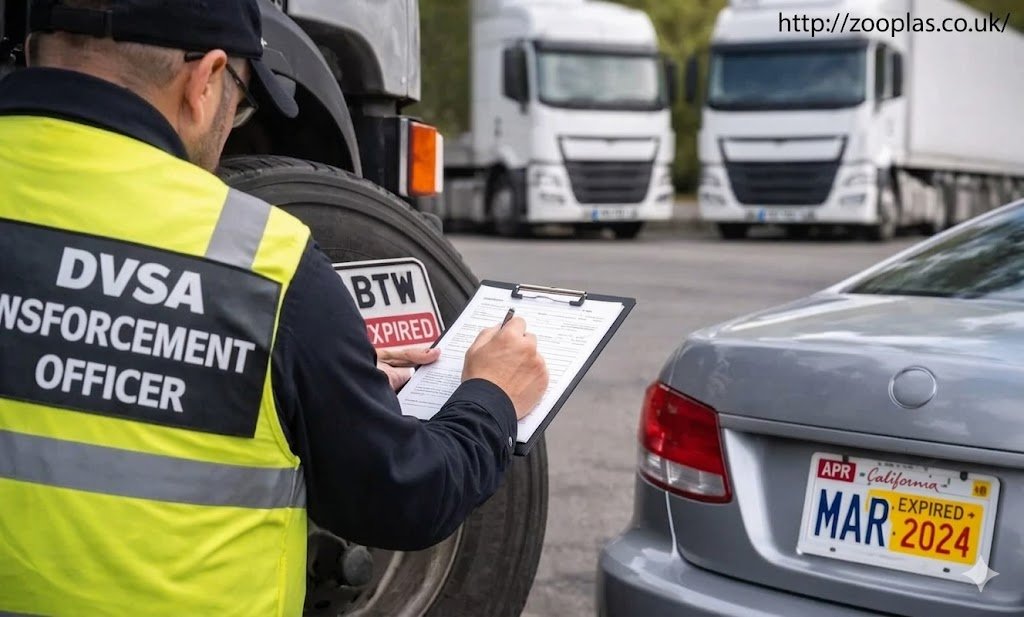
The world of commercial vehicle licensing and regulation is complex and strict, as it is designed to ensure safety, accountability, and fairness in the transport industry. A recent case that drew attention within the UK’s transport sector is the situation involving Byron Thomas Williams and his company, BTW Transport Ltd. The penalties and legal consequences stemming from violations of vehicle licensing rules not only impacted Williams but also served as a stark reminder to all in the sector about the importance of compliance with regulatory standards.
This article provides an overview of the situation, focusing on the key facts of the case, the reasons behind the penalties, and the broader implications for transport operators.
What Happened in the Byron Thomas Williams Case?
Byron Thomas Williams, the director of BTW Transport Ltd., a haulage company based in the United Kingdom, was involved in a regulatory investigation after his company faced repeated violations of UK transport regulations. His company, which operated under a standard national goods vehicle operator’s licence, came under scrutiny due to several serious licensing and vehicle compliance issues.
The company was found to have failed to meet the necessary standards required for maintaining an operator’s licence. The investigation uncovered a pattern of issues, ranging from inaccurate maintenance records to unsafe vehicles operating without the proper authorisation. These breaches ultimately led to severe penalties, including the revocation of the operator’s licence and disqualification of both the company and its director from holding any future operator licences for a set period.
Key Violations and Their Impact
1. Operating Without a Valid Licence
One of the most egregious findings in this case was the discovery that BTW Transport Ltd. continued to operate its fleet of commercial vehicles after its operator’s licence had been revoked. This is a serious offence in the transport industry, as operating vehicles without a valid licence undermines the safety and regulatory framework that ensures the public and other road users are protected from unsafe vehicles and practices.
Once an operator’s licence is revoked, it is illegal for the company to use its vehicles for commercial purposes. Continuing to do so not only jeopardises the safety of the public but also creates an unfair advantage over law-abiding competitors.
2. Inadequate Maintenance and Safety Failures
Another significant violation that contributed to the penalties was the company’s failure to maintain accurate and up‑to‑date maintenance records. The regulator discovered that BTW Transport Ltd. was not following proper vehicle inspection protocols, and some vehicles showed clear signs of maintenance neglect, such as loose wheel nuts and improperly tested brakes. These failures put not only the drivers at risk but also the general public, as poorly maintained vehicles are more prone to mechanical failures and accidents.
Additionally, the company had inconsistent maintenance schedules and lacked proper documentation proving that routine inspections had been carried out as required by law.
3. Inaccurate Documentation and Non‑Compliance with Licensing Conditions
The inquiry also revealed discrepancies in the company’s vehicle records, driver hours, and excise duty payments. Several documents were either incomplete or inaccurate, making it difficult to determine if the company was operating within the legal frameworks set out by the UK’s Driver and Vehicle Standards Agency (DVSA) and the Traffic Commissioner.
Regulations surrounding commercial transport require that all vehicle records, including maintenance logs and driver hours, be meticulously maintained and submitted for inspection. Failure to do so can result in penalties, as these documents are necessary to prove compliance with operational standards and safety measures.
The Penalties Imposed
As a result of the multiple violations uncovered during the investigation, the following penalties were imposed on Byron Thomas Williams and BTW Transport Ltd.:
1. Licence Revocation
The most severe consequence was the revocation of the company’s operator licence, effective immediately after the investigation concluded. This meant that BTW Transport Ltd. was no longer authorised to operate commercial vehicles under the UK’s transport laws. The revocation not only halted their ability to conduct business but also triggered a temporary ban on the company from reapplying for any new licences for a specified period.
2. Disqualification of Director
Byron Thomas Williams, as the company’s sole director, was personally disqualified from holding or managing any operator’s licence for a period of 12 months. This disqualification prevents him from being involved in any transport operations, whether as a director or as part of the management team, until the ban expires. This was seen as a direct consequence of his failure to ensure compliance with basic safety and licensing obligations.
3. Suspension of Transport Manager’s Good Repute
The company’s former transport manager, who was also implicated in the breach, faced similar consequences. The transport manager’s good repute was revoked, meaning that they could no longer manage or oversee transport operations within the industry. This action underlines the importance of compliance at every level within a transport company.
Why Does This Case Matter?
Public Safety Risks
The primary reason behind such severe penalties is the potential risk to public safety. Roadworthiness is a critical aspect of the UK’s regulatory framework, designed to reduce accidents caused by poorly maintained vehicles. The failure to maintain vehicles and the inaccurate reporting of defects were key reasons for the company’s downfall. These kinds of risks highlight why transport companies must be held accountable for ensuring the safety of their vehicles.
Legal Implications for Transport Operators
The Byron Thomas Williams case serves as a stark reminder to all operators that failure to comply with vehicle licensing laws, safety standards, and maintenance requirements can lead to severe penalties. The case also underlines the fact that the Traffic Commissioner’s office is rigorous in its enforcement of regulations. Operators must be prepared to demonstrate full compliance with regulations or face legal consequences.
Broader Industry Impact
This case serves as a warning to the entire transport industry about the importance of proper documentation and the need for compliance with safety standards. With increasing scrutiny on commercial vehicle operators, it is essential that companies maintain accurate records, ensure regular maintenance, and abide by all relevant traffic laws. This is not only a legal obligation but a moral one, as it ensures the safety of the public.
Lessons for Operators and Fleet Managers
1. Ensure Proper Licensing and Documentation
- Regularly verify that your operator’s licence is valid and that all company documents, including maintenance records, are accurate and up to date.
- Review your fleet management systems and ensure compliance with all legal reporting requirements.
2. Maintain Vehicles to Standard
- Routine maintenance schedules should be strictly followed.
- Conduct regular safety checks and ensure that any defects are immediately rectified.
- Tyre inspections, brake tests, and safety equipment inspections should never be skipped.
3. Educate and Train Employees
- Ensure that all employees, from drivers to transport managers, are properly trained and understand their role in maintaining safety and compliance.
- Encourage honest defect reporting and make it easy for employees to report any issues with the fleet.
4. Keep Detailed Records
- Maintain clear, easily accessible records of all vehicle inspections, driver hours, maintenance logs, and safety checks.
- In the event of an inspection or audit, these records will be essential to demonstrate compliance.
5. Know the Consequences of Non‑Compliance
- Understand the legal and financial consequences of non‑compliance with vehicle licensing and safety standards.
- The penalties in the Byron Thomas Williams case show that violations can lead to both company-wide repercussions and personal consequences for directors and managers.
Conclusion
The case involving Byron Thomas Williams and BTW Transport Ltd. serves as a crucial reminder to all operators in the UK transport sector about the importance of compliance with vehicle licensing and safety standards. The revocation of the operator’s licence and the disqualification of both the company and its director highlight the serious consequences of negligence in maintaining road safety and following legal obligations.
For fleet managers, company owners, and drivers, this case underscores the need for a culture of compliance, a commitment to safety, and rigorous attention to detail in managing commercial vehicle operations. The industry’s focus on accountability and regulation is essential to ensuring that the public remains protected from the risks posed by unsafe or improperly maintained vehicles on the road.
The Byron Thomas Williams vehicle licensing penalties case is not just an isolated event — it is a critical learning opportunity for everyone in the transport sector.
If you would like more detailed explanations or specific tips for transport businesses on maintaining licensing compliance, feel free to ask!