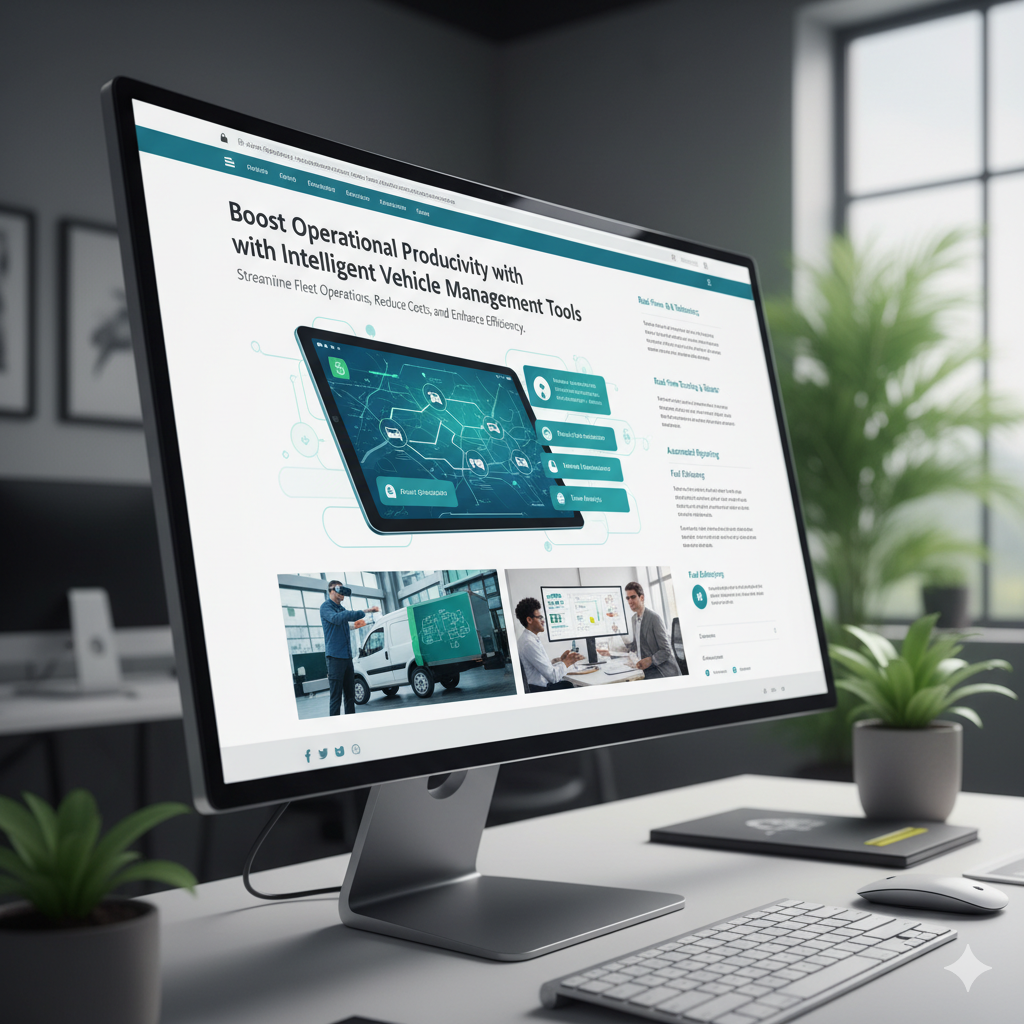
Managing a fleet without the right tools is like navigating without a map. You might get where you’re going eventually, but you’ll waste time, money, and plenty of fuel along the way. Fleet maintenance software changes that—giving fleet managers the visibility, control, and automation they need to keep vehicles on the road and costs under control.
This guide covers everything you need to know about fleet maintenance software: what it is, why it matters, the key features to look for, and how to choose the right solution for your operation. Whether you’re managing five vehicles or five hundred, the right software can transform the way your fleet runs.
What Is Fleet Maintenance Software?
Fleet maintenance software is a digital platform that helps businesses track, manage, and optimize the maintenance of their vehicle fleets. It centralizes all maintenance-related data—service records, inspection reports, repair histories, and more—into a single system that’s accessible in real time.
Rather than relying on spreadsheets, paper logs, or memory, fleet managers can use the software to schedule preventive maintenance, track work orders, monitor vehicle health, and ensure compliance with safety regulations. The result is a more organized, cost-efficient, and reliable fleet operation.
Why Fleet Maintenance Software Matters
Unplanned vehicle downtime is one of the most expensive problems a fleet can face. A single breakdown can disrupt delivery schedules, strain customer relationships, and rack up emergency repair costs that far exceed what routine maintenance would have cost.
The numbers tell a compelling story. According to the American Transportation Research Institute, vehicle maintenance and repair consistently rank among the top operating costs for trucking fleets. And that’s before factoring in the ripple effects of downtime—lost productivity, missed deadlines, and driver frustration.
Fleet maintenance software addresses these challenges head-on by shifting the focus from reactive repairs to proactive prevention. When you know a vehicle is due for an oil change or a tire rotation before a problem develops, you stay in control of both your schedule and your budget.
Beyond cost savings, there’s also the matter of safety. Poorly maintained vehicles are a liability—for drivers, for other road users, and for the business. Fleet maintenance software ensures that nothing falls through the cracks, keeping your vehicles roadworthy and your team protected.
Key Features to Look for in Fleet Maintenance Software
Not all fleet maintenance software is built the same. Here’s a breakdown of the features that matter most:
Preventive Maintenance Scheduling
The cornerstone of any good fleet maintenance platform is the ability to schedule preventive maintenance based on mileage, engine hours, or time intervals. Automated alerts notify managers and drivers when services are due, eliminating the guesswork and reducing the risk of costly oversights.
Work Order Management
A streamlined work order system allows managers to create, assign, and track maintenance tasks from start to finish. This keeps technicians organized and ensures that every repair is documented accurately—critical for both compliance and cost tracking.
Vehicle Inspection Tools
Digital vehicle inspection reports (DVIRs) let drivers log pre- and post-trip checks directly from a mobile device. Any defects flagged during an inspection can be automatically converted into work orders, closing the loop between the driver and the maintenance team without a single phone call or paper form.
Maintenance History and Reporting
A complete, searchable service history for every vehicle in your fleet is invaluable. It helps identify recurring issues, informs decisions about vehicle replacement, and provides the documentation needed for audits or insurance claims.
Parts and Inventory Management
Keeping track of spare parts and consumables is often an overlooked aspect of fleet maintenance. The best platforms include inventory management tools that monitor stock levels, track usage, and generate purchase orders when supplies run low.
Integration with Telematics
When fleet maintenance software integrates with GPS and telematics systems, it unlocks a new level of insight. Real-time data on engine diagnostics, fuel consumption, and driver behavior feeds directly into the maintenance platform—making it possible to predict issues before they become breakdowns.
Compliance Tracking
For regulated industries, compliance is non-negotiable. Fleet maintenance software can track DOT inspection requirements, driver qualification files, license renewals, and other regulatory obligations, helping you avoid fines and stay audit-ready at all times.
The Benefits of Implementing Fleet Maintenance Software
Adopting fleet maintenance software delivers benefits that compound over time. Here’s what most organizations experience after implementation:
Reduced vehicle downtime: Proactive scheduling means fewer surprise breakdowns and more vehicles available when you need them.
Lower maintenance costs: Catching small problems early prevents them from becoming expensive repairs. Preventive maintenance consistently costs less than emergency fixes.
Longer vehicle lifespan: Vehicles that receive regular, timely maintenance simply last longer. This delays costly replacements and maximizes return on each asset.
Improved regulatory compliance: Automated reminders and digital record-keeping make it far easier to stay on top of inspections, certifications, and reporting requirements.
Better decision-making: Access to accurate, up-to-date data allows fleet managers to make smarter decisions—about repairs, replacements, routes, and resource allocation.
Time savings: Automating manual processes frees up fleet managers to focus on higher-value tasks, rather than chasing paperwork or fielding calls about vehicle availability.
How to Choose the Right Fleet Maintenance Software
With dozens of options on the market, narrowing down the right platform for your business requires a clear-eyed assessment of your needs. Here are the key factors to consider:
Fleet Size and Complexity
Some platforms are purpose-built for small fleets with straightforward needs. Others are designed to handle large, multi-location operations with complex workflows. Start by honestly assessing the size and complexity of your fleet, then look for software that scales accordingly.
Ease of Use
A platform that’s difficult to navigate will quickly be abandoned. Prioritize solutions with intuitive interfaces and strong mobile functionality, especially if your drivers and technicians are expected to use the system in the field.
Customer Support
Even the best software runs into snags. Look for a provider that offers responsive, knowledgeable support—whether that’s via phone, live chat, or a dedicated account manager. Onboarding assistance and training resources are a bonus.
Integration Capabilities
Your fleet maintenance software doesn’t operate in a vacuum. Consider how well it integrates with your existing systems—telematics providers, ERP platforms, accounting software, and fuel management tools.
Pricing Structure
Pricing models vary widely. Some platforms charge per vehicle, others per user, and some offer flat-rate monthly plans. Factor in setup costs, training, and any fees for additional features or integrations.
Common Mistakes to Avoid
Even with the right software in place, implementation can fall short if a few common pitfalls aren’t avoided:
- Incomplete data entry: The system is only as good as the data in it. Establishing clear processes for logging maintenance activities ensures the platform stays accurate and useful.
- Ignoring driver input: Drivers are often the first to notice a vehicle issue. Make it easy for them to report concerns through the platform.
- Skipping training: Rolling out new software without adequate training leads to low adoption rates and frustrated teams. Invest time in getting everyone up to speed.
- Treating it as a set-and-forget tool: Fleet maintenance software requires regular attention. Review reports, adjust maintenance schedules, and use the insights it provides to continuously improve your operation.
Fleet Maintenance Software FAQs
What’s the difference between fleet maintenance software and fleet management software?
Fleet management software covers a broader range of functions—including dispatch, routing, driver management, and fuel tracking. Fleet maintenance software focuses specifically on vehicle upkeep and repairs. Many platforms offer both, but it’s worth clarifying what’s included before you sign up.
Is fleet maintenance software suitable for small fleets?
Absolutely. Even businesses with just a handful of vehicles can benefit from organized maintenance records, automated reminders, and digital inspection tools. Several platforms offer affordable plans tailored to smaller operations.
Can fleet maintenance software help with compliance?
Yes. Most modern platforms include compliance tracking features that help you monitor inspection deadlines, license renewals, and regulatory requirements—reducing the risk of violations and fines.
How long does it take to implement fleet maintenance software?
Implementation timelines vary depending on fleet size and the complexity of the platform. Simple setups can be operational within a few days; larger, more integrated deployments may take several weeks.
Take Control of Your Fleet
Fleet maintenance software is one of the highest-leverage investments a fleet-dependent business can make. The combination of reduced downtime, lower costs, improved safety, and stronger compliance makes a compelling case—regardless of fleet size or industry.
The key is choosing a platform that fits your operation and committing to using it consistently. Start by identifying your biggest maintenance pain points, then evaluate solutions based on how directly they address those challenges. With the right system in place, managing your fleet stops feeling reactive and starts feeling strategic.