Renovating an older home is less about reinvention and more about interpretation. Period properties carry architectural DNA that reflects the era in which they were built, and preserving that identity is extremely important. According to heritage conservation data across Europe, nearly 40 percent of renovation projects now include some form of historical preservation requirement, whether mandated or voluntary. The challenge is striking a balance between modern comfort and original character without turning the home into a museum.
Start With What Makes the Home Unique
Every historic home has defining features that set it apart. It might be original crown molding, timber beams, terrazzo floors, or hand-carved staircases. Before making any changes, designers recommend cataloging these elements and identifying what must be preserved at all costs. This process not only protects authenticity but also helps guide future design decisions so they feel cohesive and harmonious.
Restore Before You Replace
One of the most common mistakes in renovation is unnecessary replacement. Original materials were often crafted with a level of quality that is difficult to replicate today. Solid wood doors, plaster walls, and vintage tiles can often be repaired rather than removed. Industry studies show that restoration can cost up to 30 percent less than full replacement when factoring in long-term durability, making it both a design and financial win.
Respect the Home’s Architectural Language
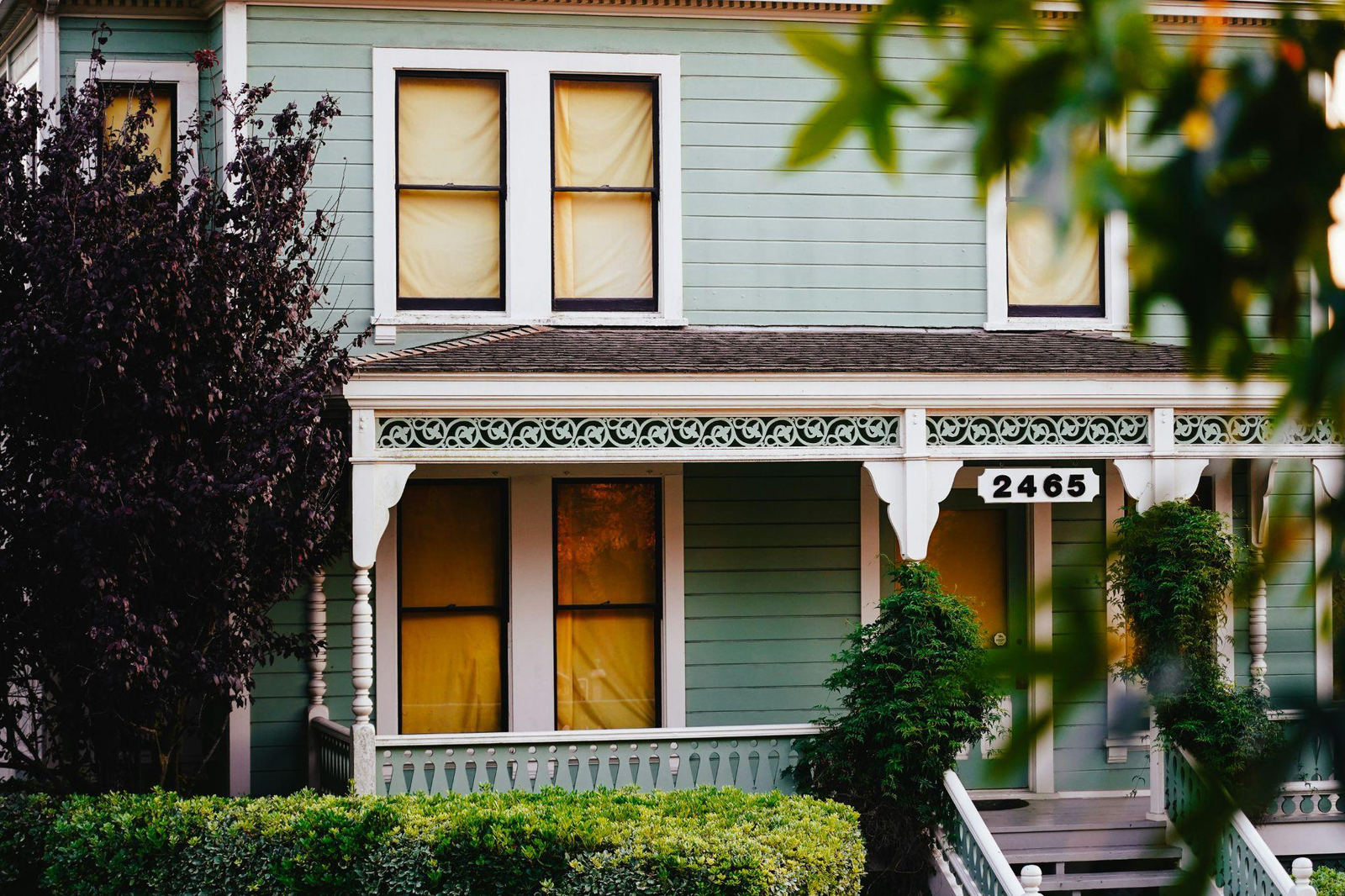
Each era has its own design vocabulary. A Victorian home, for instance, thrives on ornamentation, while mid-century properties lean toward clean lines and functional forms. Introducing elements that clash with this language can disrupt the home’s integrity. Instead, designers suggest working within the existing framework, allowing new additions to complement rather than compete.
Modernize Invisibly
Today’s homeowners expect modern conveniences, but integrating them into an older home requires subtlety. Electrical systems, plumbing, and insulation should be upgraded without altering visible features. Concealed wiring, underfloor heating, and discreet smart home systems allow for contemporary comfort while maintaining a period-appropriate aesthetic.
Let Patina Tell a Story
Signs of age are not flaws but features. Worn wood, faded paint, and slightly uneven surfaces contribute to a home’s narrative. Designers often emphasize preserving this patina rather than erasing it. Research in real estate trends suggests that buyers increasingly value authenticity, with homes retaining original details often commanding higher prices.
Choose Materials That Age Gracefully
When new materials are necessary, selecting those that will age in harmony with the original structure is key. Natural stone, brass, and solid wood develop character over time, blending seamlessly with historic elements. This approach ensures that renovations feel integrated rather than newly inserted.
Reinterpret Traditional Craftsmanship
Incorporating artisanal details can bridge the gap between old and new. Elements like handcrafted mosaics bring texture and history into contemporary updates, echoing traditional techniques while allowing for creative expression. This fusion of craftsmanship and innovation is becoming a hallmark of thoughtful renovation.
Update Layouts Without Erasing History
Older homes often feature compartmentalized layouts that don’t align with modern living. While opening up spaces can improve functionality, it’s important to do so selectively. Retaining some original room divisions or architectural markers helps preserve the home’s original rhythm and flow.
Windows and Doors Matter More Than You Think
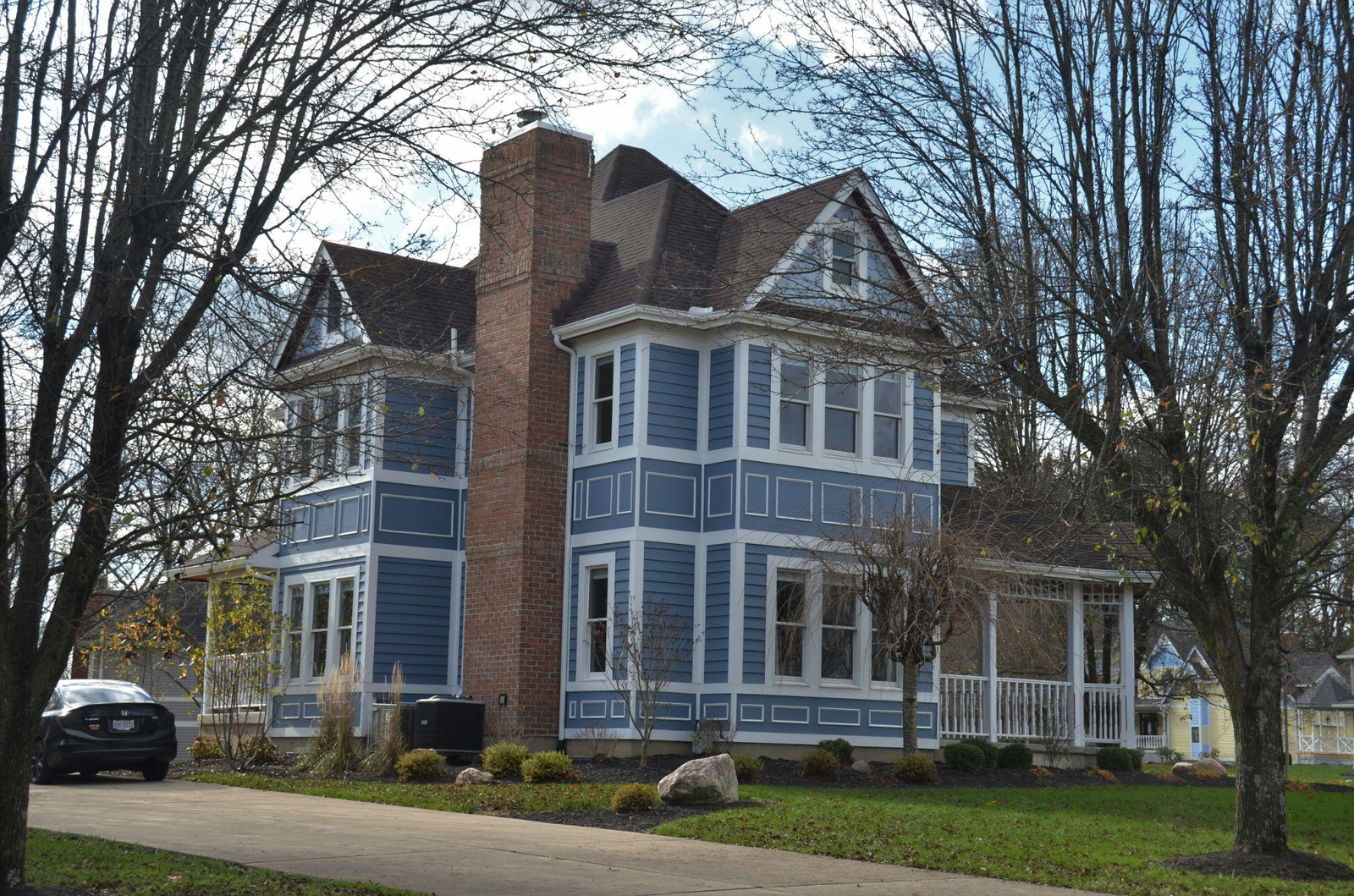
Original windows and doors are among the most character-defining features of a historic home. Whenever possible, they should be restored rather than replaced. If upgrades are necessary for energy efficiency, custom solutions that replicate original designs can maintain visual consistency.
Blend Old and New Through Contrast
A successful renovation doesn’t have to mimic the past entirely. In fact, contrast can highlight historic features more effectively. Pairing sleek, modern furnishings with ornate architectural details creates a dialogue between eras that feels intentional and dynamic.
Kitchens That Honor the Past
The kitchen is often the most transformed space in a renovation, but it doesn’t have to lose its historical essence. Shaker-style cabinetry, vintage-inspired fixtures, and muted color palettes can maintain a timeless feel while accommodating modern appliances. Data from kitchen design surveys indicates a growing preference for classic styles over ultra-modern aesthetics in older homes.
Preserve Structural Details
Beams, columns, and load-bearing walls often define the architecture of older homes. Rather than concealing these elements, designers recommend highlighting them. Exposed structures add depth and authenticity, reinforcing the home’s original design intent.
Lighting That Complements the Era
Lighting plays a crucial role in maintaining historical integrity. Period-appropriate fixtures or modern designs inspired by vintage forms can enhance the atmosphere without feeling out of place. The global lighting market has seen a notable increase in demand for heritage-inspired designs, reflecting this trend.
Bathrooms With Personality
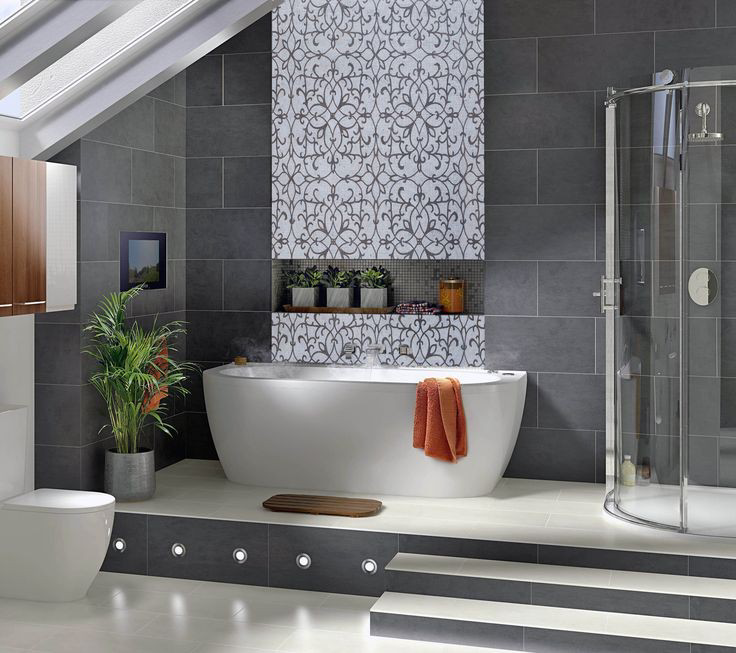
Bathrooms offer an opportunity to introduce new materials while nodding to tradition. A mosaic shower wall, for example, can reference historic tiling techniques while providing a fresh focal point. The key is to keep the palette and materials aligned with the home’s overall character.
Floors That Ground the Space
Original flooring, whether hardwood, tile, or stone, should be preserved whenever possible. If replacement is unavoidable, reclaimed materials offer a sustainable and aesthetically consistent alternative. They carry a sense of history that new materials often lack.
Color Palettes Rooted in History
Color choices can significantly impact how a renovation feels. Research into historical palettes can guide decisions, ensuring that hues are appropriate for the home’s era. Soft neutrals, earthy tones, and muted pastels often work well in maintaining a timeless look.