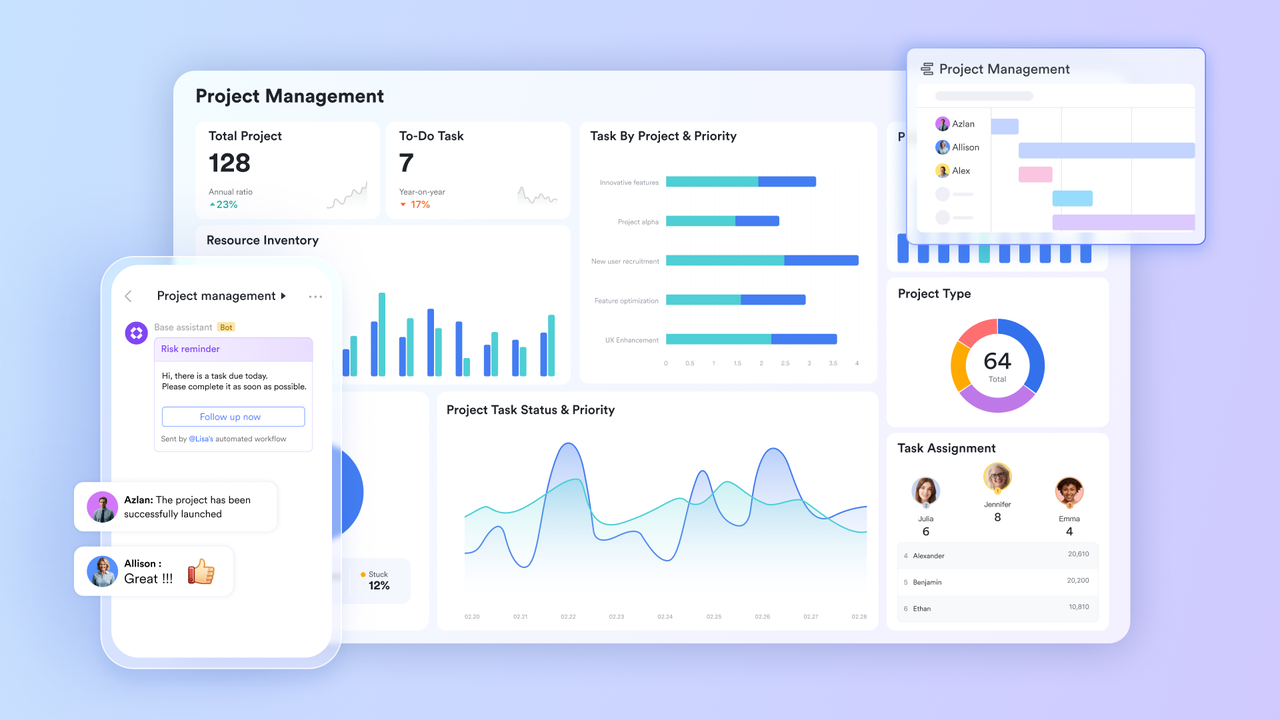
Every generation of workers brings different assumptions about what good work looks like, and the generation currently entering the workforce in significant numbers brings assumptions that differ from their predecessors in ways that most organizational operating models were not designed to accommodate. They expect transparency about organizational direction rather than receiving it through a cascade of manager briefings. They expect contribution to be visible and attributed rather than absorbed into team output and recognized selectively. They expect tools that work as well as the consumer technology they have always used rather than enterprise software that was designed for a different era. They expect communication that respects their attention rather than claiming it continuously. And they expect the purpose of their work to be legible without requiring a manager to explain it individually at every significant decision point. These expectations are not unreasonable. They are the expectations of a generation that has grown up with consumer technology that is fast, intuitive, transparent, and designed for individual agency. The organizations that have adapted to these expectations have not done so by accommodating a generational preference. They have done it by recognizing that the infrastructure those expectations demand is better for everyone who works there, regardless of generation. That infrastructure is built on project management tools that treat transparency, attribution, quality, and purpose as design requirements rather than cultural aspirations.
Communication that matches the quality of consumer technology with Lark Messenger
The worker who has spent their entire adult life using communication tools that are fast, expressive, and intelligently organized does not lower their expectations when they join an organization. They bring those expectations with them and form an opinion about the organization’s operational sophistication within the first days of interacting with its tools.
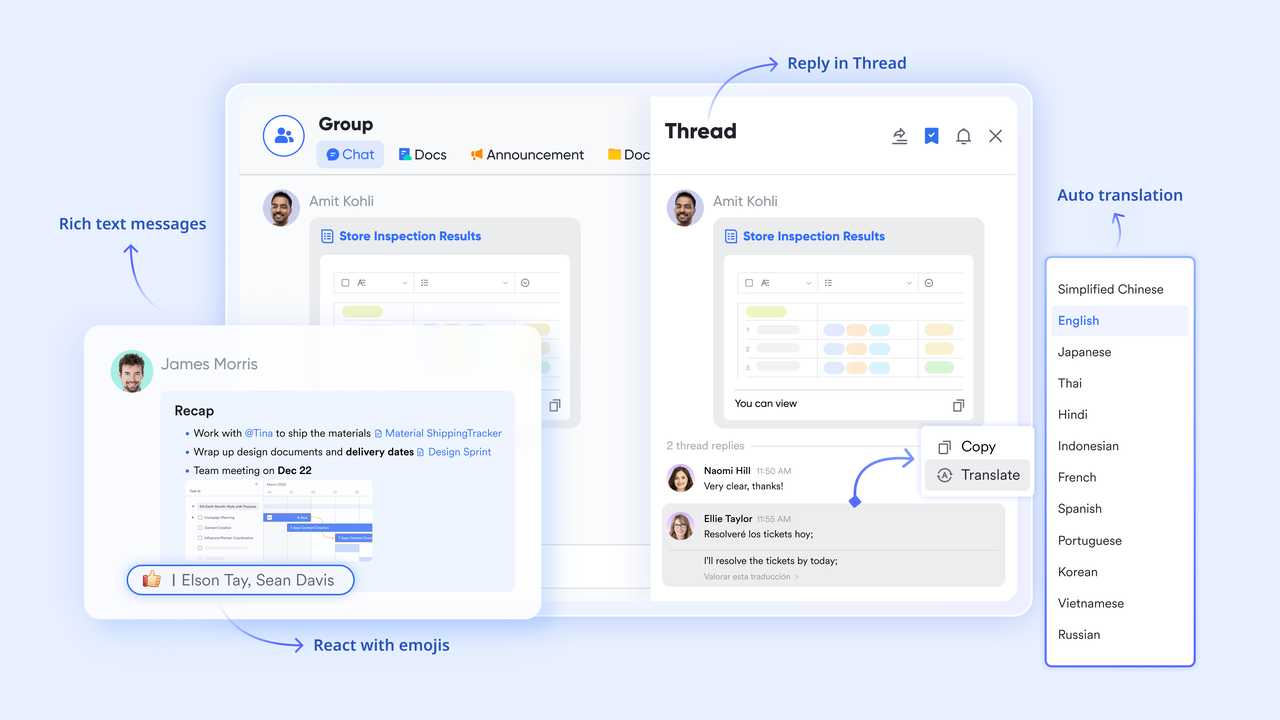
- “Rich Formatting” with annotated screenshots, emoji reactions, and formatted text provides the expressive communication quality that workers who grew up with consumer messaging apps expect, rather than the plain-text, formal communication pattern that older enterprise tools produce.
- “Chat Tabs & Threads” provide a structural organization that prevents the information overload that younger workers, who are accustomed to highly curated information environments, find particularly draining in unstructured chat environments.
- “Real-time Auto Translation” across 24 languages is a baseline expectation rather than a premium feature for workers who have grown up in globally connected digital environments and who find language barriers in professional tools an anachronism.
- “Scheduled Messages” provide asynchronous communication flexibility that workers who do not expect to be available at all hours find essential to managing the boundary between work and life that their generation values more explicitly than previous ones.
Goals that are visible without a manager translating them with Lark OKR
The expectation of organizational transparency is not a generational preference for comfort. It is a rational expectation of workers who have grown up with access to information and who are skeptical of organizational structures that withhold it without clear justification. The organization that cannot explain the connection between a team member’s work and the organization’s direction through the system itself rather than through a manager’s interpretation is an organization that will lose the trust of its youngest workers before it has had a chance to earn it.
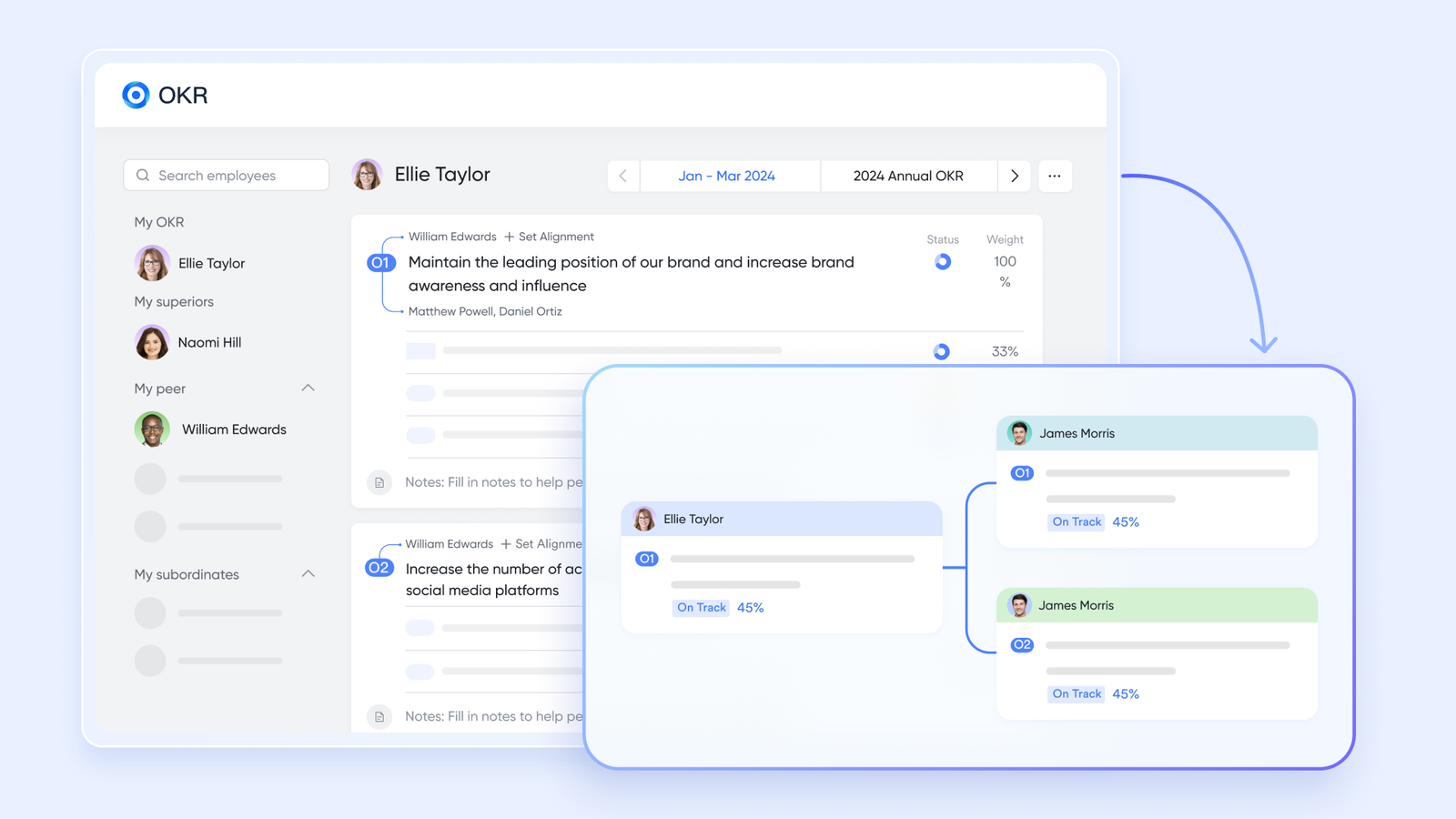
- Company-wide objective visibility gives every team member the strategic transparency that younger workers expect as a baseline rather than a privilege, so the connection between individual work and organizational direction is always available rather than conditionally accessible through manager communication.
- Individual key results connected to team objectives create the personal agency in goal-setting that younger workers expect, allowing them to shape the definition of their own contribution rather than receiving it as a directive.
- Real-time key result progress visible to every team member provides continuous feedback that a generation accustomed to real-time feedback loops in consumer technology finds more natural than quarterly performance reviews.
- OKR check-in cycles create the structured development dialogue that younger workers expect from their managers rather than the ad hoc check-ins that their predecessors may have found sufficient.
Contribution that is visible and attributed correctly with Lark Docs
The generation that grew up with social media, where every contribution is attributed, timestamped, and publicly visible, brings a correspondingly strong expectation that professional contributions will be similarly visible and similarly attributed. The organization that allows the work of its youngest team members to disappear into collective credit will find that those team members invest less of their discretionary effort in work whose contribution they have no reason to believe will be recognized.
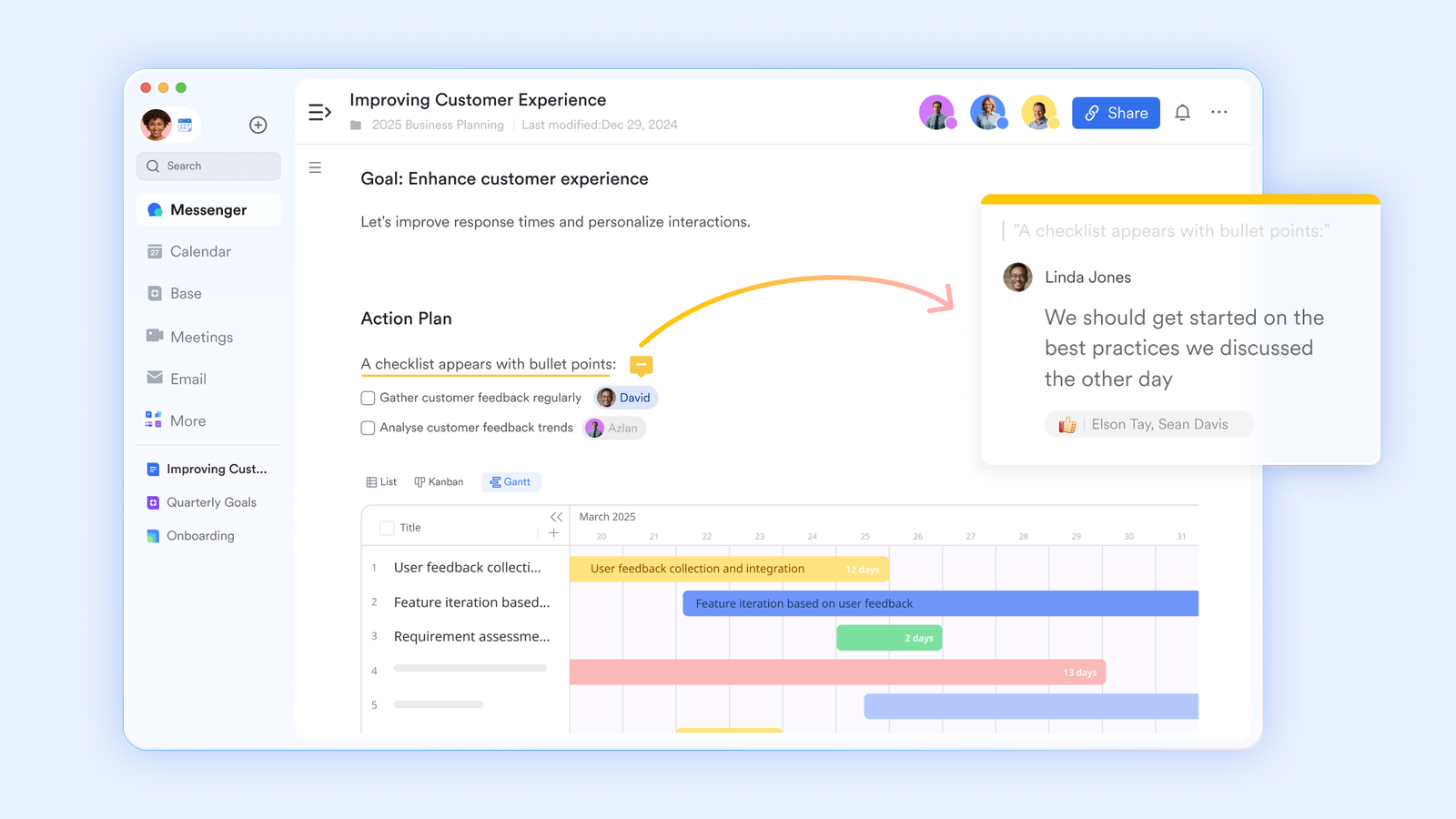
- “Version History” provides the permanent, timestamped attribution of every contribution to every document, so the team member who drove the research, wrote the analysis, or designed the approach has a verifiable record of that contribution that is independent of manager observation and organizational memory.
- “Comment” threads provide real-time, contextual feedback that makes younger workers feel their contribution has been seen and considered at the moment it is made rather than in a periodic review that arrives too late to feel genuinely responsive.
- Real-time co-editing allows contribution to be visible as it happens rather than only after it is complete, so the process of generating a contribution is as legible as the contribution itself to everyone working in the same document simultaneously.
Operational data that enables self-direction with Lark Base
The younger worker who cannot find the information they need to make an independent decision is a younger worker who will ask their manager rather than searching longer. The organization that responds to this by characterizing the younger generation as unable to manage ambiguity misses the point. The expectation is not that decisions will be easy. It is that the information needed to make them will be accessible.
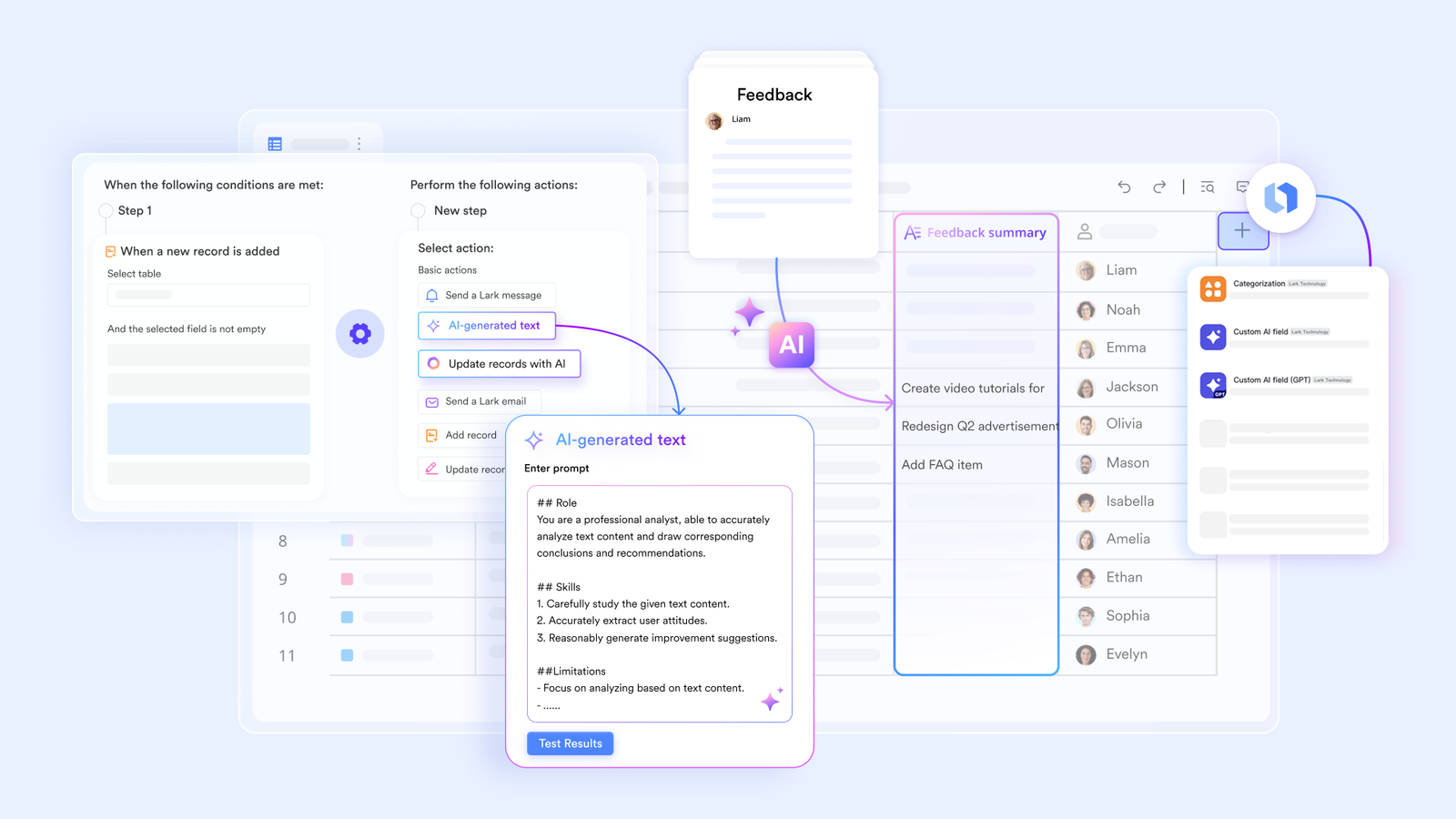
- Personal task views give every team member self-serve visibility into their own work priorities, current status, and upcoming deadlines without requiring a manager to provide that orientation through a check-in.
- Shared dashboards make the team’s collective operational picture visible to every team member, so the younger worker who wants to understand how their work fits into the broader team effort has the data available to answer that question independently.
- Automation workflows that keep data current without manual intervention provide data reliability that makes self-direction genuinely possible rather than producing self-direction based on outdated information that leads to avoidable errors.
Work scheduling that treats autonomy as a design requirement with Lark Calendar
The expectation of schedule autonomy among younger workers is not an expectation of reduced commitment. It is an expectation that the organization trusts them to manage their own time rather than demonstrating commitment through physical presence at defined hours. The organization that cannot accommodate different working patterns while maintaining operational coordination is an organization that will disproportionately lose the workers who expect that accommodation.
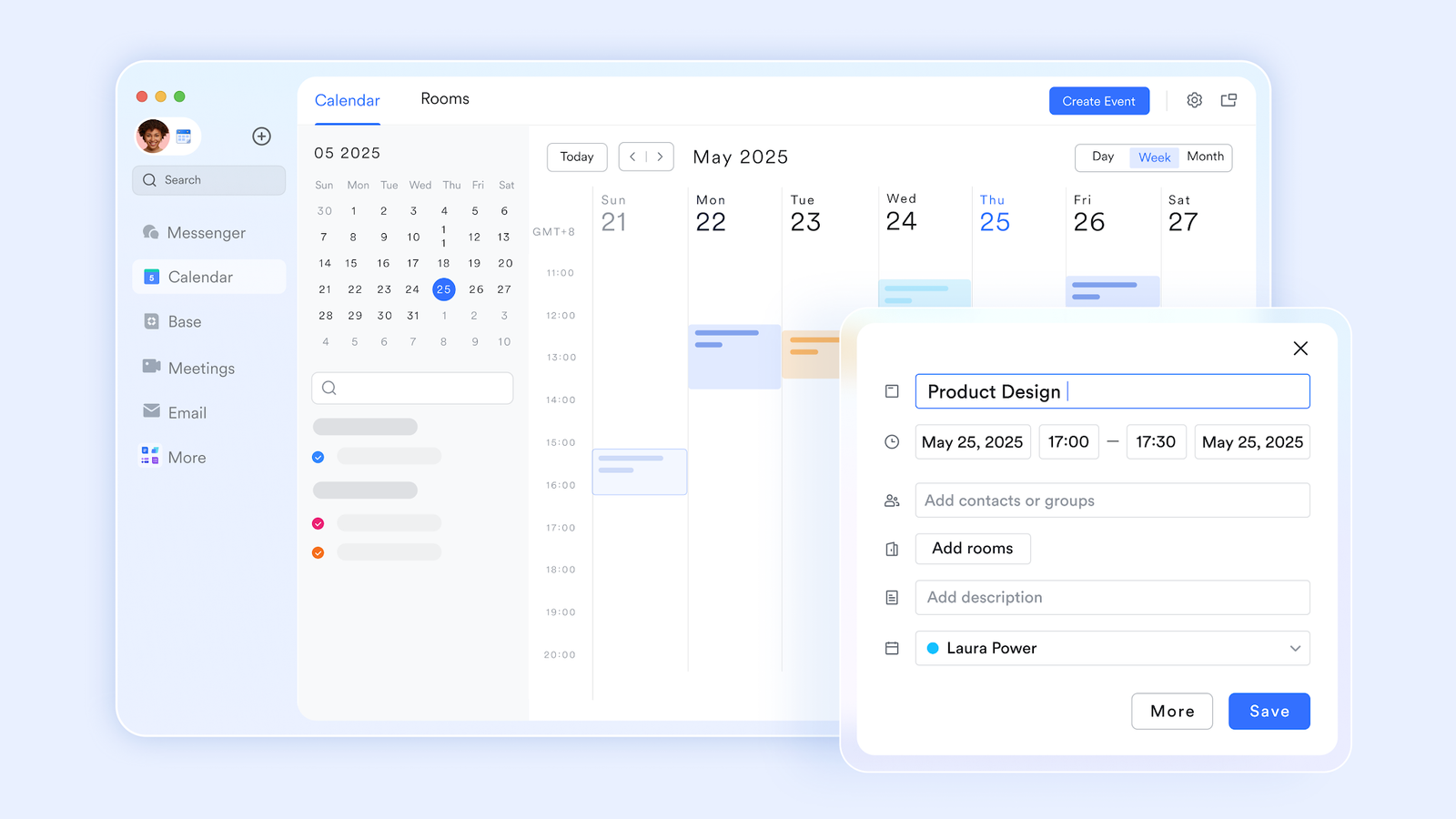
- “Calendar Subscription” to shared project and organizational calendars gives every team member full visibility into the working week’s structure without requiring them to be at a specific location during specific hours to stay informed about what is happening.
- “Schedule in Chat” makes coordination across different working patterns as efficient as coordination within the same working pattern, removing the scheduling overhead that makes flexible work arrangements feel like a compromise rather than a feature.
- Protected focus-time blocks visible on shared calendars normalize the expectation that certain hours are committed to deep work rather than available for meeting requests, creating a scheduling culture that respects attention rather than claiming it.
Bonus: Why generational friction is an infrastructure problem as much as a culture problem
The generational friction that organizations experience when younger workers join is most often attributed to differences in values, communication styles, or work ethic. These differences are real but overemphasized. The more significant source of friction is infrastructural: the younger worker’s expectations about how tools should work, how information should flow, and how contribution should be recognized are being shaped by consumer technology, which is fundamentally more advanced than the enterprise tools they are being asked to use.
Platforms like Slack and Notion have attracted younger workers partly because they feel more like consumer technology than enterprise software. But neither addresses the full range of expectations that the generation currently entering the workforce brings, particularly around transparent goal-setting, contribution attribution, and self-directed information access. Teams evaluating Google Workspace pricing often find that standard collaboration tools cover basic communication and document needs but may not fully support growing expectations around transparency, attribution, and real-time feedback. This often leads organizations to add separate tools to fill those gaps. Lark brings those capabilities into one environment, helping teams manage modern workplace expectations with fewer disconnected systems.
Conclusion
The generational shift in productivity expectations is not a management challenge to be addressed through cultural adaptation programs. It is an infrastructure design challenge to be addressed through operational tools that treat transparency, attribution, communication quality, self-direction, and schedule autonomy as design requirements rather than generational accommodations. A connected set of productivity tools that meets those requirements as structural features of the daily working environment is how organizations attract, retain, and get the best work from the generation, which is redefining what good work looks like.