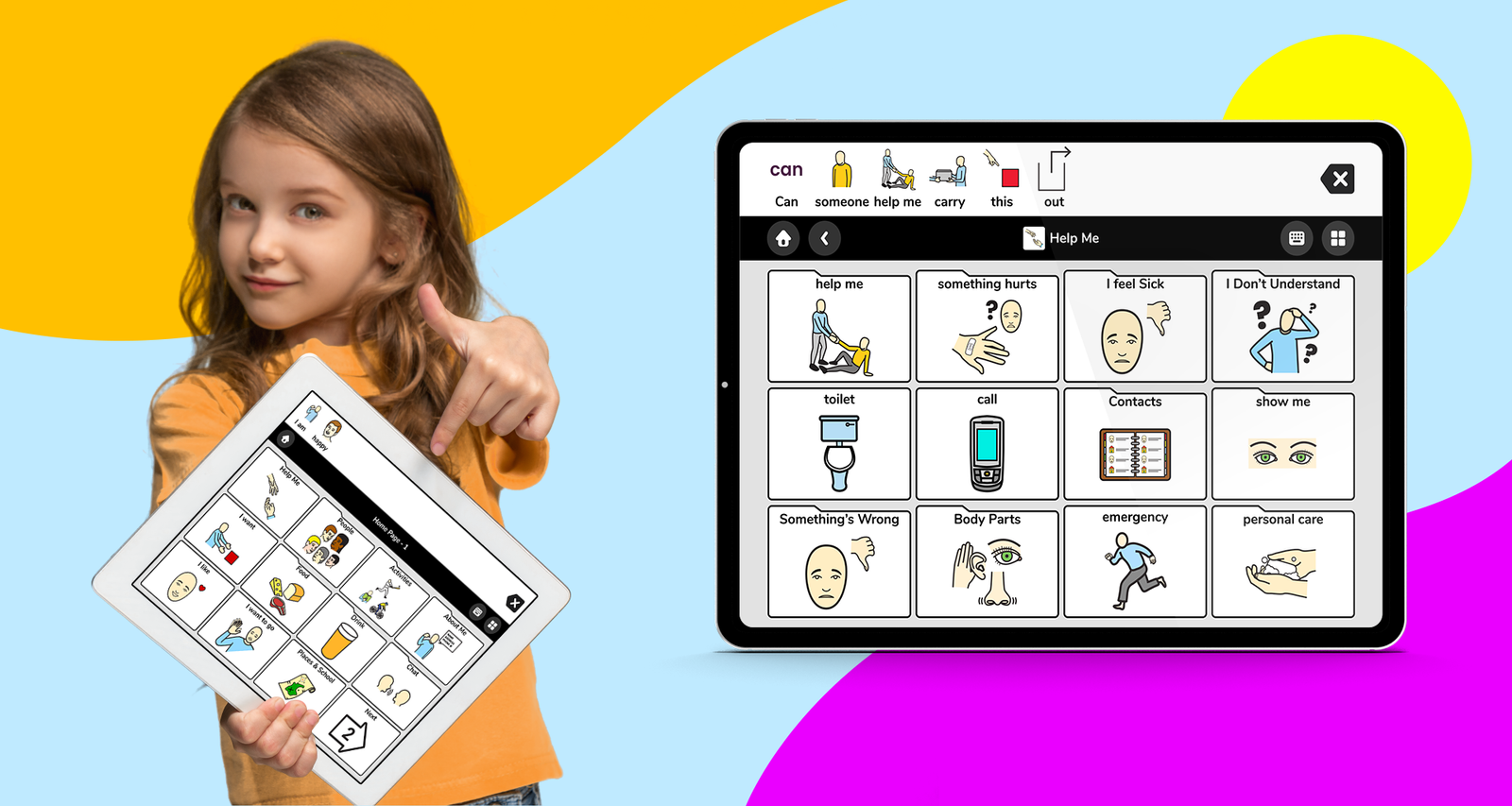
Introduction to Augmentative and Alternative Communication
Augmentative and Alternative Communication (AAC) encompasses a wide range of strategies, devices, and tools designed to support individuals who have difficulty with verbal communication. AAC is not limited to children or people with developmental disorders; it is relevant for anyone who faces challenges expressing themselves through spoken language. The primary goal of AAC is to enhance communication skills, provide opportunities for social interaction, and promote independence in daily life. By integrating AAC into a person’s communication environment, caregivers, educators, and professionals create pathways for meaningful engagement and expression.
AAC includes both unaided methods, such as gestures, facial expressions, and sign language, and aided methods, which involve external tools like communication boards, speech-generating devices, or mobile applications. These tools can be low-tech, such as picture cards or letter boards, or high-tech, including sophisticated tablets and software that generate speech output. Selecting the right AAC option requires careful evaluation of an individual’s abilities, needs, preferences, and communication goals. Importantly, the involvement of trained professionals ensures that AAC interventions are tailored effectively, promoting successful outcomes.
The Role of ABA Professionals in AAC Implementation
ABA professionals play a critical role in the implementation of AAC strategies. Applied Behavior Analysis (ABA) focuses on analyzing and modifying behaviors to achieve meaningful outcomes, and communication is a central target of many ABA programs. ABA professionals conduct comprehensive assessments to identify a person’s current communication abilities, potential barriers, and areas for growth. Based on these assessments, they develop individualized intervention plans that integrate AAC tools and techniques effectively. By using evidence-based practices, ABA professionals ensure that AAC is not merely introduced as a static tool but becomes an active component of functional communication development.
ABA professionals also provide ongoing support and training for families, caregivers, and educators. Their expertise helps ensure that AAC devices are used consistently across settings, including home, school, and community environments. Consistency and reinforcement are essential in encouraging individuals to adopt AAC strategies and generalize communication skills to real-life situations. Moreover, ABA professionals monitor progress, collect data, and adjust intervention strategies to optimize outcomes. Through this systematic approach, AAC becomes a meaningful and empowering communication option rather than a temporary or superficial solution.
Types of AAC Options
AAC options are diverse, allowing for customization based on individual needs and preferences. They are generally categorized into unaided and aided methods.
Unaided AAC relies solely on the user’s body to communicate. This category includes gestures, facial expressions, sign language, and body language. While it requires no external equipment, it demands a level of motor skill and consistency to be effective.
Aided AAC involves the use of external tools or devices. These can range from low-tech options such as picture exchange systems and communication boards to high-tech speech-generating devices that provide spoken output. Low-tech tools are often more affordable, portable, and easy to implement in multiple settings, while high-tech devices can offer more sophisticated features, such as customizable vocabularies, voice options, and dynamic content. Selecting the most suitable AAC option depends on factors such as cognitive abilities, motor skills, age, motivation, and the communication context.
Benefits of AAC for Individuals with Communication Challenges
Implementing AAC strategies provides numerous benefits for individuals with communication challenges. AAC supports expressive language by giving individuals a reliable way to convey their needs, thoughts, and feelings. This can reduce frustration, behavioral challenges, and social isolation, which often arise from the inability to communicate effectively. Additionally, AAC fosters inclusion in educational and social environments, allowing users to participate more actively in classroom activities, social interactions, and community events.
The benefits extend to caregivers and families as well. AAC provides a structured means for understanding and responding to the needs of nonverbal or minimally verbal individuals, improving family interactions and reducing stress. With support from ABA professionals, AAC strategies can be seamlessly integrated into daily routines, ensuring consistent use and maximizing the potential for meaningful communication. Over time, many individuals using AAC develop enhanced language and social skills, which contribute to greater independence and quality of life.
Assessment and Individualization in AAC
Effective AAC implementation begins with a comprehensive assessment to determine the most appropriate communication options. This process involves evaluating a range of factors, including cognitive abilities, sensory-motor skills, expressive and receptive language capabilities, and social communication needs. The assessment also considers environmental contexts, such as school settings, family interactions, and community engagement, to ensure AAC tools are functional and accessible.
ABA professionals often collaborate with speech-language pathologists, occupational therapists, and educators during the assessment process. Their interdisciplinary approach ensures that AAC strategies are tailored to each individual’s unique profile. Individualization is key because no single AAC device or method suits everyone. By matching the tool with the user’s abilities, preferences, and goals, ABA professionals maximize engagement, usability, and long-term success.
Integration of AAC in Daily Life
Successful AAC implementation requires consistent integration into daily life. It is not sufficient to provide a device or communication board; users must have opportunities to practice and apply communication skills across various settings. ABA professionals guide caregivers, educators, and peers in embedding AAC strategies into routine activities, play, and social interactions.
For example, during mealtime, AAC devices can be used to request items, express preferences, or comment on experiences. In educational settings, students can utilize AAC to answer questions, participate in discussions, and complete classroom assignments. Consistent reinforcement and modeling of communication behaviors encourage adoption and generalization. By embedding AAC into everyday contexts, users gain practical experience and build confidence in their communication abilities, ultimately fostering independence.
Addressing Challenges in AAC Implementation
Despite the benefits, AAC implementation can face several challenges. Resistance from users, insufficient training for caregivers, and limited access to appropriate technology are common barriers. Additionally, integrating AAC across multiple environments requires coordination and communication among professionals and family members.
ABA professionals play a crucial role in overcoming these challenges. Through ongoing support, coaching, and troubleshooting, they ensure that AAC strategies are consistently applied. They also provide guidance on device maintenance, vocabulary expansion, and adapting tools to meet evolving communication needs. By addressing these challenges proactively, ABA professionals facilitate the successful adoption of AAC and enhance the overall communication outcomes for individuals.
AAC and Social Communication Development
AAC is not limited to functional communication; it also plays a significant role in social communication development. Effective communication enables individuals to engage in social interactions, build relationships, and participate in collaborative activities. By supporting expressive and receptive language skills, AAC helps users initiate conversations, respond appropriately, and understand social cues.
ABA professionals often incorporate social communication targets into AAC interventions. These may include turn-taking, requesting help, making comments, or expressing emotions. By reinforcing social communication behaviors, ABA professionals help individuals expand their social networks, develop meaningful relationships, and increase their confidence in interacting with others.
Technology and Advancements in AAC
Technology continues to revolutionize the field of AAC, offering more versatile, user-friendly, and engaging tools. High-tech devices, such as speech-generating tablets and mobile applications, provide dynamic and customizable communication options. Features like predictive text, voice output, and multimedia integration enhance usability and engagement.
Emerging technologies also allow for data tracking, enabling ABA professionals to monitor communication progress, identify patterns, and make data-driven decisions for intervention planning. With ongoing advancements, AAC tools are becoming increasingly accessible, affordable, and adaptable to individual needs, ensuring that more people can benefit from enhanced communication opportunities.
Conclusion
Augmentative and Alternative Communication provides essential support for individuals facing challenges with verbal communication. From low-tech solutions like picture boards to high-tech speech-generating devices, AAC options are diverse, adaptable, and impactful. ABA professionals play a pivotal role in assessing, implementing, and monitoring AAC strategies, ensuring that communication interventions are individualized, evidence-based, and effective. By integrating AAC into daily life, addressing challenges, and promoting social communication skills, individuals gain independence, confidence, and a greater ability to participate meaningfully in their environments. As technology and research continue to advance, the future of AAC promises even more opportunities for enhancing communication and improving quality of life for individuals with diverse communication needs.