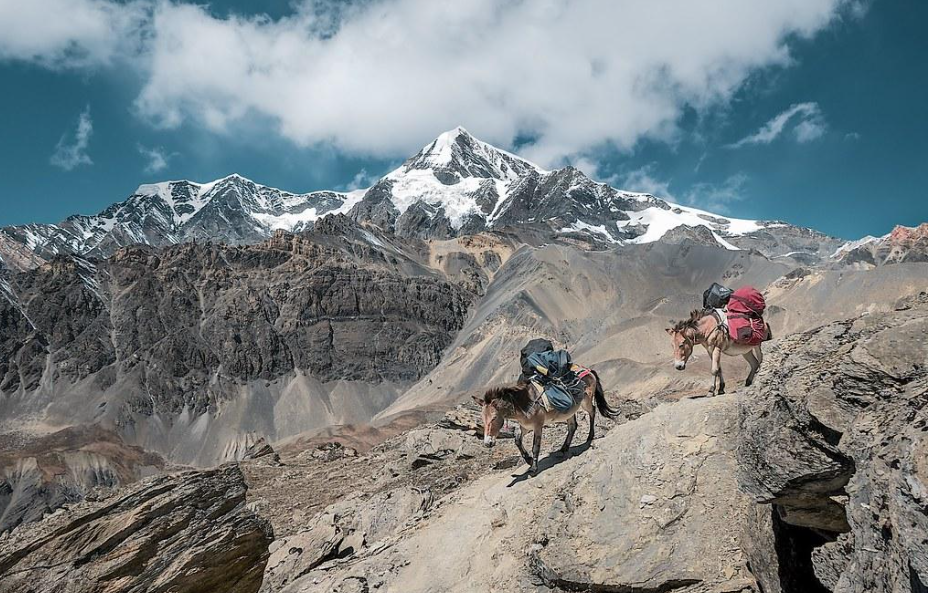
Mount Everest is the tallest mountain on earth and a goal to many climbers worldwide. The experience of climbing Everest to the summit is not only a physical accomplishment but also a personal experience that will remain with you forever. The trip is lengthy and difficult, and only with proper preparation and the support of an experienced team can the dream of standing on top of the world come true. This guide describes how to climb it, the price, the training required, safety considerations, and all you need to know in easy terms to enable you plan your trip with confidence.
There is no hurry to climb Everest. The mountain demands patience, attention and a slow, careful approach. The trip starts with a short plane ride to the famous Lukla airport and then several days of walking through the breathtaking valleys of the Everest region. On the route you walk through villages, monasteries and forests until you reach Everest Base Camp. And there the actual expedition starts. The ascending will be done with the help of ropes, permanent ladders and expert guidance. The whole experience is both a test of difficulty, beauty and self development.
Quick Facts in Simple Bullet Points
- Mount Everest stands at an elevation of eight thousand eight hundred and forty eight meters above sea level.
- The expedition normally takes around two months
- Spring is the most suitable season because weather becomes stable
What Makes Everest Special in Bullet Form
- It is the highest summit on earth and a once in a lifetime achievement
- The journey passes through Sherpa culture and stunning mountain landscapes
- You learn patience and inner strength during the climb
The Journey from Arrival to Base Camp
Your Everest expedition begins in Kathmandu where final checks, briefings and equipment reviews take place. Government permits should be organized and your guide team should see that things are straight. When you are ready, you fly a short distance to Lukla, a beautiful mountain airport with high hills and clean mountain air.
From Lukla the trek begins. The path cuts through the valley of the Dudh Koshi River having long bridges, hospitable villages and quiet woods. You slowly ascend to Namche Bazaar the capital town of the Everest region. Namche is a major rest and acclimatization point. Gradually, your body becomes accustomed to being in higher altitudes and you have time to visit the local markets and see what the surrounding mountains are like.
After Namche the trail becomes quieter and the scenery turns into a mixture of pine forest, prayer flags and snowy hills. You walk to Tengboche where you can visit the famous monastery. Many climbers take blessings from the monks before moving higher. Then the route leads to Dingboche and later to Lobuche. The air becomes thinner here so walking pace becomes slow and steady.
Finally you reach Everest Base Camp which sits on a huge area of rock and ice below the Khumbu Icefall. During the expedition season the camp becomes a small village with colorful tents, communication tents, medical tents and kitchen tents. This is your home for many weeks. You eat warm meals, take rest, meet the Sherpa team and start preparing for the climb.
The Climbing Route from Base Camp to the Summit
The classic route to climb Mount Everest from Nepal follows the south side. It is the most used route and supported with fixed ropes and ladders. Below is a simple description of the major sections of the climb.
Climbing the Khumbu Icefall
This is the first and one of the most technical sections. Climbers start very early in the morning when the ice remains stable. The icefall is a tall maze of ice blocks and crevasses. Sherpa guides fix ropes and ladders to help you move safely. You walk slowly, always listening to your guide.
Camp One
After crossing the icefall you reach a flat area known as the Western Cwm. This leads to Camp One. The air becomes warmer here because sunlight reflects from all sides. Climbers rest here and begin to adjust to the thin atmosphere.
Camp Two
Camp Two sits at the base of the Lhotse Face. This camp is also used as an advanced camp because it offers a safe place for rest and food. The views here are breathtaking. Many acclimatization nights are spent in this camp.
Camp Three
Camp Three is located halfway up the Lhotse Face on a steep wall of snow and ice. Climbers use fixed ropes to move safely. Breathing becomes difficult here so climbers take careful steps and use oxygen depending on the plan.
Camp Four
Camp Four is the final camp before the summit and is located in an area known as the South Col. The environment here is extremely dry and windy. Climbers eat simple food, rest for a few hours and prepare for the final push to the top.
The Summit Push
The summit climb begins at night. Climbers walk with head lamps and slowly follow the rope line. The main sections include the Balcony, the South Summit and the famous Hillary Step. By early morning the sun rises and climbers reach the highest point on earth. The feeling is emotional and unforgettable. After a short time on top, climbers descend carefully back to Camp Four.
Acclimatization and Rotation Days
The bright color tents at Base Camp become your home for long weeks because the body needs time to adapt to high elevation. Climbers follow a rotation schedule where they climb up to higher camps and return to Base Camp. This helps the body create more red blood cells and prepare for the final summit attempt. You may climb to Camp One or Camp Two during these rotations. Rest days include light walks, hydration, gentle stretching and plenty of warm food.
Cost of the Everest Expedition
The cost of a Mount Everest expedition depends on the service level, group size, logistics, permits and the experience of the guiding team. A standard expedition from Nepal normally includes government permit, guide and Sherpa support, oxygen cylinders, Base Camp services, food, tents and transportation.
For most travelers the cost falls between thirty five thousand and seventy thousand United States dollar. A more luxurious and fully supported expedition can be higher. Experienced climbers may choose a basic package but most climbers prefer a full service expedition because it increases comfort and safety. The government requires an official climbing permit, which is one of the major parts of the overall cost. Other expenses include personal equipment, insurance, international flights and tips for the Sherpa team.
When choosing an expedition company it is important to study their safety history, experience and the services they provide. A cheaper company may cut costs in important areas such as oxygen supply or Sherpa support. Safety on Everest should always come first.
Required Physical Preparation
Climbing Everest requires strong physical preparation. You do not need to be an Olympic athlete but you must build endurance, strength and mental discipline. Many climbers train for at least six months before the expedition.
Your training can include long walks with a backpack, running, climbing stairs and simple body weight exercises. Gradually increase how long and how often you train so your body gets used to long days of walking. Breathing exercises, yoga and balance practice can also help you stay calm in difficult moments. Before the expedition, it is also handy to train in boots and climbing gear.
Mental Preparation and Patience
Everest does not just need physical fitness, but it also needs mental strength. You should be ready for cold mornings, slow walking speed, fear of heights and bad weather. Patience is an effective weapon since you might be forced to spend numerous days at Base Camp before the weather clears to allow you to proceed with the summit push.
Staying positive and following instructions from your guide make a big difference. Many climbers say the expedition changed their life because they discovered how strong and calm they can be when facing challenges.
Safety and Oxygen Use
Safety is the most important part of your Everest expedition. Climbers always move with guides and follow a rope system. The Sherpa crew tests the trail and places ladders through crevasses. Most of the climbers above Camp Three utilize oxygen. It assists in keeping the energy balance and prevent risk against altitude related illness.
Weather updates are taken seriously. If the wind becomes too strong or snowfall increases, the summit push is delayed. During the climbing season, there is usually at least one medical team or clinic at or near Base Camp to support climbers. They check oxygen levels in your blood and share safety advice.
Equipment and Clothing
You need warm jackets, gloves, climbing boots, crampons, harness, helmet, head lamp and personal items. Many companies provide tents and climbing gear at higher camps. It is important to use reliable equipment because the environment is extremely cold. At Base Camp you sleep on insulated mats inside warm tents. The expedition kitchen cooks food and hot beverages that serve the purpose of restoring you after each climb.
Life at Base Camp
Base Camp is a bustling international climber and pleasant Sherpa community. You hear ice cracking every morning and you can see the sunshine reaching the top of Everest. Eating is done in a dining tent and tea is ready at all times. Climbers exchange tales, monitor weather forecasts and get their equipment in order. One has time to read, meditate and walk around the glacier. This sense of community gives strength during the long waiting periods for good weather.
The Importance of an Experienced Team
Selecting the appropriate team is one of the decisions that are important to your outing. An experienced Sherpa will be aware of all the manner of the route and will be well informed of the weather conditions, climbing conditions and safety regulations. The expedition is based on their backing. They transport oxygen, fix ropes, set up tents and look after each climber. An effective team will make the whole process unproblematic and secure.
Final Thoughts
Exploring a mountain is a wonderful experience of nature and culture and self-discovery, and a Mount Everest expedition is terrific, as well. Well prepared and professionally led, with a patient attitude toward the mountain, climbers with diverse backgrounds have succeeded in reaching the summit. The experience is worthwhile even when climbing is hard because of the time spent on the path, the mornings when Base Camp is silent and the friendships that are developed throughout the trip.
In case you have a dream of reaching the top of the mountain on this earth, the first step would be just to be familiar with the mountain and to prepare the body and the mind. We are always ready to help you plan this memorable journey with care and experience.