In many industrial facilities, pumps work quietly in the background. They rarely get attention unless something goes wrong. Yet these machines keep water, chemicals, and other liquids moving through systems that factories and treatment plants depend on every day.
Centrifugal pumps are widely used because they can move large volumes of fluid efficiently. You will find them in power plants, manufacturing lines, and wastewater treatment systems. When maintenance is ignored, small issues can appear quickly. Leaks around seals, unusual vibration, or reduced flow are often early warning signs.
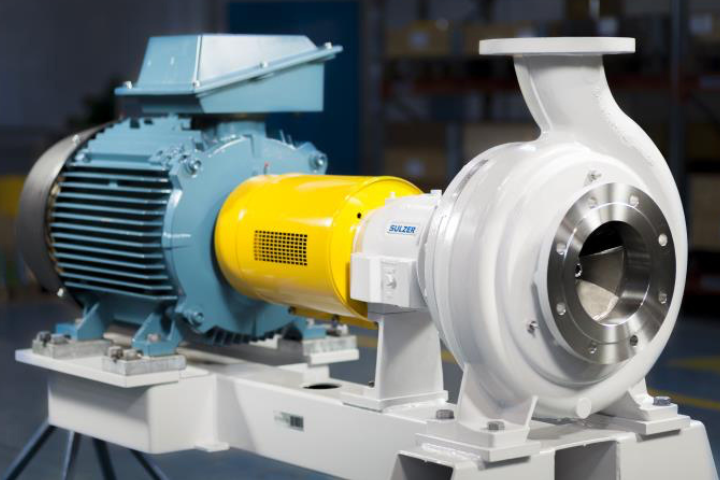
Routine inspections help prevent these problems before they turn into costly shutdowns. Many facilities rely on Sulzer centrifugal pumps for demanding applications because they are built for reliability and consistent performance. Understanding how to care for these pumps is the first step toward keeping systems running smoothly.
Why Regular Maintenance Makes a Big Difference
Industrial pumps operate under constant pressure and movement. Inside the pump, the impeller spins at high speed while seals, bearings, and shafts handle continuous mechanical stress. Over time, even small issues can affect performance.
A worn seal, clogged filter, or misaligned component may seem minor at first, but these problems slowly reduce efficiency and increase energy use.
Regular maintenance helps operators catch these issues early. Simple inspections and routine servicing keep the pump working close to its original design performance.
Many industrial facilities depend on Sulzer centrifugal pumps because they are designed for continuous operation in demanding environments.
When maintenance becomes part of normal plant operations, several benefits follow:
- Lower energy consumption due to smoother operation
- Fewer unexpected breakdowns that interrupt production
- Longer equipment lifespan with fewer major repairs
In the long run, these small efforts protect both the pump and the entire system it supports.
Common Problems That Appear When Pumps Are Neglected
Ignoring maintenance often allows small mechanical issues to grow into serious failures. Over time, wear inside the pump can reduce efficiency, increase vibration, and lead to costly shutdowns. Understanding the most common problems helps operators recognize early warning signs before damage spreads through the system.
Seal Leaks
Mechanical seals are designed to prevent liquid from escaping where the rotating shaft passes through the pump casing. These seals work under pressure and friction, so they gradually wear with time. When a seal begins to fail, fluid may leak around the shaft area.
Besides wasting product, leaks can create safety risks and contaminate surrounding equipment. Early inspection helps identify worn seals before they cause bigger problems.
Bearing Wear
Bearings support the rotating shaft and allow the impeller to spin smoothly. If lubrication levels drop or the lubricant becomes contaminated, friction increases inside the bearing housing. This often leads to overheating, unusual noise, or vibration.
According to reliability guidance from the Hydraulic Institute, bearing failure is one of the most common causes of pump downtime in industrial systems. Regular lubrication checks help prevent this issue.
Cavitation
Cavitation happens when pressure inside the pump drops below the liquid’s vapor pressure. Small vapor bubbles form and then collapse as they move into higher pressure zones. When these bubbles collapse, they strike the impeller surfaces and cause damage over time.
For example, in a water circulation system, cavitation may produce a loud rattling sound along with noticeable vibration. If the condition continues, it can gradually erode the impeller blades and reduce pump efficiency.
Essential Maintenance Tips for Sulzer Centrifugal Pumps
Good maintenance does not require complicated tools or advanced equipment. In most cases, simple routine checks can prevent many of the problems that lead to pump failure. When operators follow a consistent inspection schedule, they can spot small changes in performance and fix them before they become serious issues.
Check for Unusual Noise or Vibration
One of the easiest ways to detect problems early is by paying attention to how the pump sounds and feels during operation. A well-maintained pump should run smoothly with minimal vibration.
Operators should listen and observe for:
- knocking or grinding sounds
- sudden increases in vibration
- changes in normal pump behavior
These warning signs often appear before mechanical components fail. If vibration increases or noise becomes unusual, it is a good idea to stop the pump and inspect bearings, alignment, and internal components.
Monitor Flow and Pressure
Pump performance should remain close to its designed operating conditions. Changes in system flow or pressure can signal internal wear, blockage, or seal issues.
Key indicators to monitor include:
- flow rate through the system
- discharge pressure levels
- power consumption of the motor
If the pump begins using more power while delivering less flow, this often means efficiency is dropping. Recording these values regularly helps operators detect performance changes early.
Lubricate Bearings on Schedule
Bearings are critical components that allow the shaft to rotate smoothly. Without proper lubrication, friction increases and heat builds up inside the bearing housing.
Proper lubrication helps:
- reduce friction between moving parts
- prevent overheating
- extend bearing life
Maintenance teams should always follow the manufacturer’s recommended lubrication schedule and use the correct type of lubricant. Too little lubrication can cause wear, while too much can also create heat and pressure inside the bearing assembly.
Inspect Mechanical Seals and Gaskets
Mechanical seals and gaskets keep fluids contained inside the pump casing. Over time, these components can wear due to pressure, temperature changes, and chemical exposure.
Regular inspection should check for:
- visible leakage around the seal area
- signs of wear or cracking
- improper alignment of seal components
Replacing worn seals early is much less expensive than repairing damage caused by continuous leakage.
Keep the Pump and Intake Clean
Clean operating conditions help centrifugal pumps maintain stable flow and efficiency. Dirt, sediment, or scale buildup in the system can restrict flow and increase strain on the pump.
Maintenance teams should occasionally:
- clean or replace intake filters
- inspect suction lines for blockages
- remove buildup inside connected piping systems
These simple cleaning steps help ensure that fluid reaches the pump without obstruction, allowing the system to operate more efficiently over time.
Choosing the Right Pump Model for the Job
Maintenance becomes much easier when a pump is properly matched to the system it serves. When the wrong pump is selected, it may operate outside its ideal range. This can lead to frequent vibration, overheating, or faster wear on internal parts. Choosing the correct model from the start helps prevent many of these problems.
Engineers usually consider several factors before selecting a pump:
- required pressure for the system
- expected flow capacity
- the type of fluid being pumped
- operating temperature and working conditions
For example, systems that require higher pressure often use multistage Sulzer centrifugal pumps, such as the MBN series designed for demanding industrial applications. Multistage designs allow pressure to increase gradually across multiple impellers, which helps maintain stable performance in applications like boiler feed systems and industrial water circulation.
When the pump matches the system requirements, it operates more efficiently and maintenance becomes far more manageable.
Simple Habits That Extend Pump Life
Even a well-designed pump can wear out quickly if daily operating habits are ignored. Small routines followed by operators and maintenance teams can greatly extend the life of centrifugal pumps.
A few practical habits make a big difference:
- Keep a simple inspection schedule to check vibration, noise, and temperature.
- Record operating data such as flow rate and pressure. These records help detect gradual performance changes.
- Repair small leaks or alignment issues before they grow into major failures.
- Train staff to recognize early warning signs like unusual sound or fluctuating pressure.
Many modern facilities also use digital monitoring tools to track pump performance in real time. Sensors can detect changes in vibration or temperature and alert maintenance teams before a breakdown occurs. These small steps help keep pumps reliable for many years.
Conclusion
Centrifugal pumps are designed for reliability, but they still depend on regular care to perform at their best. When maintenance is ignored, small issues such as worn seals or poor lubrication can quickly grow into larger mechanical failures.
Simple practices make a real difference. Routine inspections, proper lubrication, and regular performance checks help prevent the most common pump problems. Choosing the right pump for the system and following basic operating habits also reduce unnecessary wear.
A consistent maintenance routine protects the pump and the entire process it supports. Reviewing current maintenance practices and making small improvements today can help ensure smoother operation and fewer costly interruptions in the future.