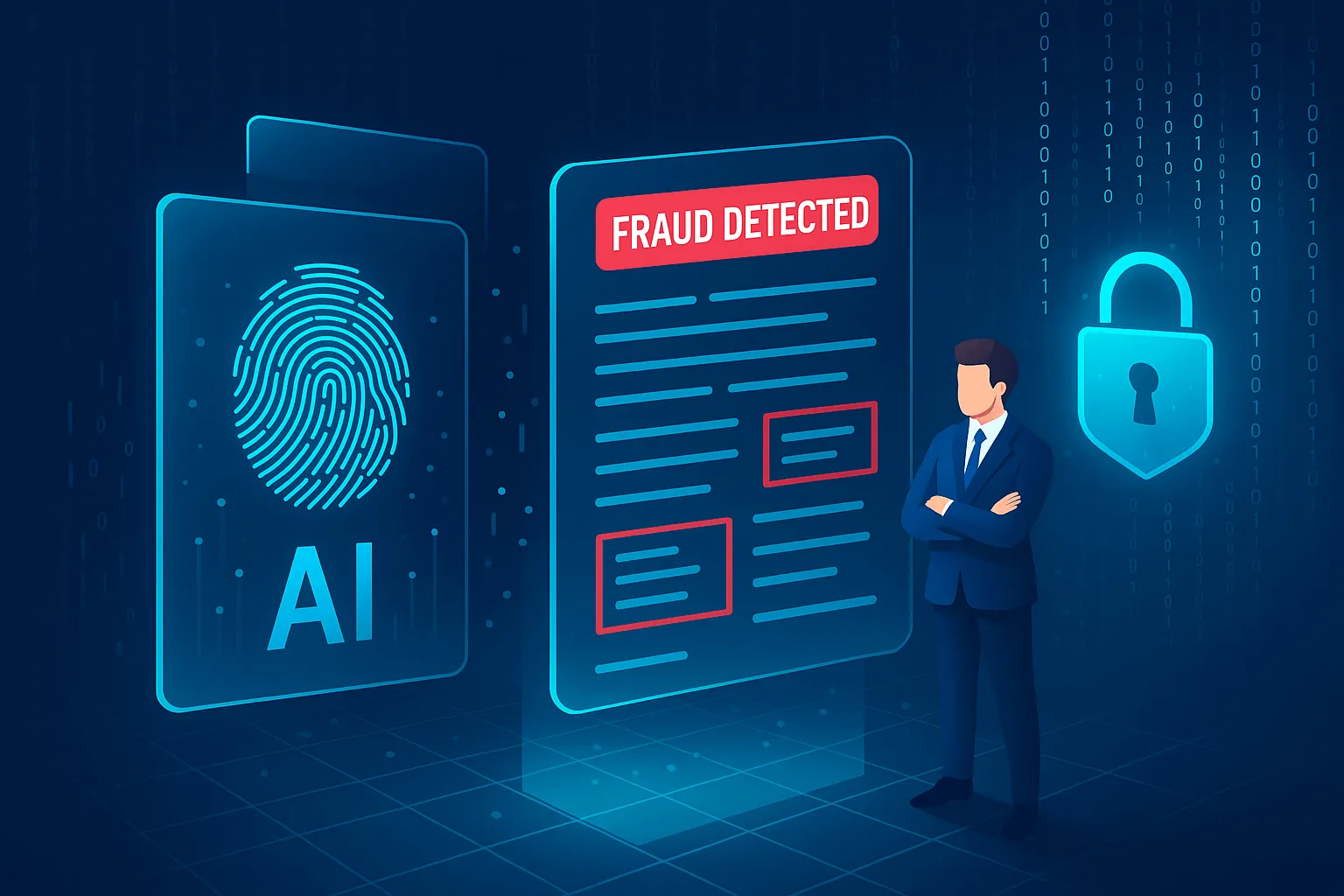
In 2026, the landscape of KYC compliance has shifted from simple data verification to high-stakes digital forensics. With the “template economy” and AI-generated deepfakes making it easier for fraudsters to manufacture convincing forgeries, financial institutions can no longer rely on the naked eye or basic scanning tools.
To stay ahead of industrial-scale fraud, businesses are turning to specialized platforms that analyze the DNA of a document, the pixels, the metadata, and the underlying digital structure. Here are the top 5 document fraud detection tools currently leading the charge.
1. ABBYY
For companies that consider auditability and precision as must-haves, ABBYY remains the premier choice. In 2026, ABBYY evolved from a traditional intelligent document processing (IDP) leader into a “Document AI” powerhouse with its Vantage 3.0 platform.
- Hidden Data Inspection: ABBYY dissects the metadata embedded in a document, such as the software used for creation and the exact modification timestamps, to find contradictions instantly.
- Contextual Verification Powered by LLMs: A major 2026 breakthrough is ABBYY’s use of Large Language Models (LLMs) to cross-reference document text against real-world logic. For example, it ensures a salary slip reflects standard market terms and that company addresses are verified locations.
- Explainable AI (XAI) for Compliance: Unlike “black box” solutions, ABBYY’s Trust Center provides clear, auditable reasons for every flag, which is essential for regulatory reporting and internal audits.
Reference from: https://www.abbyy.com/solutions/document-fraud-detection/
2. Inscribe
Inscribe has achieved a significant presence in the financial technology and lending domains through the use of Network Intelligence. The 2026 version of their platform not only considers a document on its own, but it also examines the document in relation to millions of other documents in the whole sector.
- Bringing Identities Together: Inscribe is capable of identifying when a single fraudulent template is continuously used at different banks or for multiple applications, hence the coordinated crime from industrial fraud rings is exposed.
- Agentic AI Evaluations: The introduction of autonomous AI agents, who can verify document data by cross-checking the information with third-party sources in real-time, was a significant feature of their 2026 update.
- Semantic Uniformity: It scrutinizes a document’s internal logic; for example, bank statement balances, interest calculations, and transaction dates must all correspond accurately.
3. Resistant AI
Resistant AI treats document fraud as a cybersecurity threat. Their philosophy is that every document is a potential payload designed to bypass your defenses. In 2026, they are often used as an additional forensic layer that sits on top of existing onboarding systems.
- Detection of Invisible Edits: Resistant AI specializes in finding digital traces of manipulation, such as flattened image layers or pixel artifacts left by AI image generators.
- Synthetic Identity Protection: It is particularly adept at spotting synthetic profiles where real data is blended with fabricated elements to pass traditional database checks.
- Instant Risk Scoring: By providing a Trust Score within 50 milliseconds, it allows businesses to automate the approval of low-risk users without adding friction.
4. Klippa DocHorizon
Klippa has become a favorite for businesses needing high-speed, automated document processing without sacrificing security. Their platform is built for global scale, supporting thousands of document types and languages.
- Copy-Move Analysis: Klippa’s AI detects when elements of a document have been moved or cloned from other files, a common tactic in invoice and payslip fraud.
- EXIF Data Validation: It checks the Exchangeable Image File data to see if a photo of an ID was taken live or if it’s a digital file that has been manipulated by editing software.
- Global Language Support: In 2026, Klippa has seen massive improvements in non-Latin scripts, boasting an 18% accuracy boost for Chinese and 47% for Thai documents.
5. iDenfy
By combining AI automation and human-supervised verification, iDenfy provides an innovative method, earning it a spot in our top five. This hybrid method is, indeed, the most common in 2026, among the companies in the high-risk localities for business.
- 3D Liveness Detection: iDenfy not only verifies a document but also pairs it with an advanced biometric liveness check, such as a 3D depth scan, to ensure that the document is not being presented by a bot.
- Global Sanctions & PEP Screening: In addition to document authentication, iDenfy offers real-time integrated screening against global watchlists.
- Fraud Prevention Bureau: Their database includes a list of fraudulent devices to prevent your system from being accessed by the same fraudsters under different aliases.
Choosing the Right Tool for 2026
The best tool ultimately depends on your specific volume and regulatory environment. If you are a high-volume enterprise looking for deep forensic audit trails, ABBYY document fraud detection software offers the most robust path to KYC compliance. For fast-growing fintechs that need to stop coordinated attacks, Inscribe or Resistant AI provides the network-level insights needed to stay secure.
By moving away from manual reviews and adopting these AI-powered forensics, your business can turn a major vulnerability into a competitive advantage.
Conclusion
In 2026, document fraud detection is no longer a one-time gatekeeper at the onboarding stage. The industry is moving toward Perpetual KYC (pKYC), a model of continuous monitoring where AI-driven forensics constantly re-verify documents as they are updated throughout the customer lifecycle.
By integrating elite tools like ABBYY document fraud detection software or the network-level insights of Inscribe, businesses aren’t just checking a box for KYC compliance; they are building a resilient, automated defense against the most sophisticated financial crimes of our time.