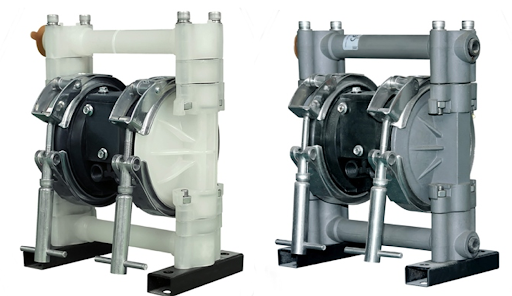
Picture a factory floor where thick oil needs to move through narrow pipelines, or a chemical plant handling corrosive liquids under high pressure. In some areas, even a small electrical spark could become a serious safety risk. This is where high-pressure pneumatic pumps prove their value.
High-pressure pneumatic pumps use compressed air to move fluids at elevated pressure levels. Instead of relying on electric motors, they operate through air-driven systems, which makes them a safer choice in environments where flammable gases or dust may be present. Because they are built to handle demanding conditions, they are widely used in oil and gas facilities, chemical processing plants, mining operations, and heavy manufacturing units.
However, performance is not only about pressure. The internal design, material strength, and control systems all play a major role in how these pumps operate in real-world settings. Understanding these elements helps industries choose equipment that matches both safety requirements and operational demands.
What Is a High-Pressure Pneumatic Pump?
A high-pressure pneumatic pump is a fluid transfer device that runs on compressed air instead of electricity. Rather than using an electric motor, it relies on air pressure to create movement inside the pump. This makes it especially useful in environments where electrical sparks could be dangerous.
These pumps are built to handle higher PSI levels than standard pneumatic pumps. While typical air-operated pumps may work at moderate pressure, high-pressure models can reach several hundred to even thousands of PSI, depending on the design and application.
The working principle is simple. Compressed air enters the pump and pushes a diaphragm or piston back and forth. This motion draws fluid in and forces it out under pressure.
Compared to electric pumps, the setup is often safer in hazardous areas because there is no motor, no wiring, and fewer ignition risks.
Core Design Features of High-Pressure Pneumatic Pumps
The performance of high-pressure pneumatic pumps depends heavily on their internal design. Each component plays a role in safety, durability, and consistent pressure output.
Understanding these design features helps explain why these pumps perform reliably in demanding industrial settings.
Air-Driven Motor System
At the heart of high-pressure pneumatic pumps is the air-driven motor system, which operates seamlessly when powered by a high-quality source like a Kaeser air compressor. Instead of an electric motor, compressed air powers the internal mechanism. This removes the need for electrical wiring, switches, or exposed circuits.
In real factory environments, this matters a lot. In areas where flammable gases or dust are present, even a small spark from an electric motor can create danger. Air-driven systems reduce that risk because they do not generate electrical sparks during operation.
This simple design also makes installation easier in remote or high-risk zones.
Strong Diaphragm or Piston Construction
High-pressure pneumatic pumps are built to withstand intense operating conditions. The diaphragm or piston is usually made from durable materials such as reinforced elastomers, stainless steel, or chemically resistant polymers.
These components must:
- Handle high PSI without deforming
- Resist corrosion from aggressive fluids
- Reduce wear from thick or abrasive materials
For example, in a chemical plant transferring acids, a standard pump may fail quickly due to corrosion. A reinforced diaphragm system is designed to last longer and maintain consistent performance, even under heavy oil movement or chemical exposure.
Pressure Control and Safety Valves
Stable pressure is critical in any fluid system. High-pressure pneumatic pumps include pressure regulators and safety relief valves to maintain balance.
These components help:
- Keep output pressure steady
- Prevent overload conditions
- Protect connected pipelines and fittings
If pressure spikes suddenly, pipelines can crack, seals can fail, and costly downtime can follow. Built-in control systems reduce that risk by maintaining controlled operation.
Heavy-Duty Housing and Seals
Industrial environments are rarely clean or controlled. Pumps often operate in dusty mines, offshore platforms, or outdoor facilities exposed to moisture and chemicals.
High-pressure pneumatic pumps use heavy-duty housings and reinforced seals to:
- Prevent leaks
- Resist corrosion
- Withstand vibration and impact
In mining operations, for example, equipment must survive rough handling and harsh surroundings. Strong external construction ensures the pump continues to operate reliably without frequent breakdowns.
Industrial Use Cases Where High-Pressure Pneumatic Pumps Shine
High-pressure pneumatic pumps are not selected randomly. Their value depends on the environment, the fluid type, and the required pressure level.
Industries choose these pumps when safety, durability, and consistent high-pressure output are essential.
Oil and Gas Facilities
In oil and gas operations, safety is always a priority. High-pressure pneumatic pumps are commonly used for chemical injection and well servicing tasks.
They are ideal in explosive environments because they operate without electrical sparks. In areas where flammable vapors may be present, air-driven systems reduce ignition risks.
Their ability to deliver steady high pressure also supports accurate chemical dosing during drilling and production processes.
Chemical Processing Plants
Chemical plants often handle aggressive liquids that can damage ordinary pumps. High-pressure pneumatic pumps are used for precise dosing and safe fluid transfer.
For example, when transferring acids, a corrosion-resistant pneumatic pump helps maintain steady flow while protecting internal parts from damage.
Because these pumps can run continuously and handle variable pressure demands, they support stable plant operations without frequent shutdowns.
Mining and Heavy Industry
Mining operations involve thick slurries, abrasive materials, and remote locations. Equipment must be tough and dependable.
High-pressure pneumatic pumps are used for slurry transfer and fluid handling in challenging environments. Their durability is a major advantage.
Since they rely on compressed air, they can operate in areas where electrical infrastructure is limited or difficult to maintain.
Manufacturing and Testing Systems
In manufacturing facilities, high-pressure pneumatic pumps support tasks such as:
- Pressure testing pipelines
- Feeding lubrication systems
- Assisting automated production lines
They are especially useful in controlled factory settings where consistent pressure is required for testing and quality assurance. Their simple air-driven operation makes them easier to integrate into existing compressed air systems already present in many plants.
Why Choose High-Pressure Pneumatic Pumps Over Electric Pumps?
When comparing high-pressure pneumatic pumps with electric pumps, the biggest difference is safety and flexibility. In explosive or flammable zones, air-driven systems are often the safer option because they do not rely on electrical wiring or motors that may produce sparks.
These pumps also offer practical advantages:
- No complex electrical installation
- Many designs can run dry without immediate damage
- Better handling of thick or heavy fluids
- Simpler maintenance in certain industrial setups
Electric pumps may work well in controlled environments, but in harsh or hazardous areas, compressed air systems such as those developed by specialized pump manufacturers like Korax reduce operational risks while offering superior durability.
For readers planning a detailed comparison, adding a small side-by-side table in the final article can make decision-making easier.
Key Factors to Consider Before Buying
Choosing the right high-pressure pneumatic pump starts with understanding your actual working conditions. Not every model fits every job.
Before buying, consider:
- Required operating pressure: Make sure the pump can safely handle your maximum PSI needs.
- Flow rate: Check how much fluid must move per minute or hour.
- Fluid type: Thick, corrosive, or abrasive materials require specific internal materials.
- Air compressor capacity: Ensure your compressed air system can support continuous operation.
- Installation space: Confirm that the pump fits your layout.
- Maintenance access: Leave room for inspection and part replacement.
Always review the manufacturer’s performance charts and material compatibility details. Matching pump specifications with real working demands prevents costly performance issues later.
Maintenance Tips for Long-Term Performance
Even durable high-pressure pneumatic pumps need routine care. Small maintenance steps can prevent expensive downtime and system failures.
Focus on these basics:
- Inspect seals and fittings regularly for leaks
- Ensure the air supply is clean and dry
- Monitor pressure stability during operation
- Replace worn diaphragms or pistons on time
- Follow the manufacturer’s recommended service intervals
A clogged air line or worn seal may seem minor, but it can lead to unstable pressure or sudden breakdowns. Regular inspection keeps the system efficient and extends equipment life.
Final Thoughts
High-pressure pneumatic pumps are designed for demanding environments where safety, durability, and consistent pressure matter most. From reinforced internal components to air-driven motor systems, every design feature supports reliable performance in challenging industrial conditions.
However, the right choice depends on more than pressure ratings. It requires matching the pump’s design with the fluid type, operating environment, and safety requirements of your facility.
If your current system struggles with unstable pressure, corrosion, or safety concerns, it may be time to review your setup. In the end, selecting the right pump is less about brand names and more about understanding pressure levels, working conditions, and the nature of the fluid being handled.