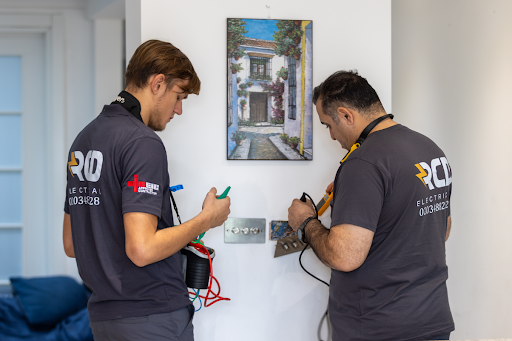
- Residual Current Devices (RCDs) play a crucial role in modern electrical safety. They are designed to protect people from electric shock and significantly reduce the risk of electrical fires. However, when an RCD keeps tripping without an obvious reason, it can quickly become frustrating and disruptive. Understanding the possible causes and knowing what actions to take can help restore safe and reliable power in your home or business. When uncertainty remains, it is always advisable to seek guidance from experienced London Electricians who can safely diagnose and resolve electrical faults.
- Faulty Electrical Appliances
One of the most frequent reasons for RCD tripping is a faulty appliance. Devices such as washing machines, dishwashers, heaters, and portable chargers may develop internal insulation problems over time. These faults allow small leakage currents to flow to earth. While each appliance may only produce a minor leak, the RCD may trip once the combined leakage reaches its safety threshold. Disconnecting appliances one by one can help identify the culprit before a professional inspection confirms the fault.
- Dampness or Moisture Around Electrical Installations
- Moisture is a common trigger for RCD trips, particularly around outdoor sockets, garden lighting systems, or areas exposed to damp conditions. Water can compromise insulation and create a conductive path between live conductors and earth. This leakage often causes the RCD to disconnect the supply. A qualified Electrician in London can inspect external circuits and ensure that weatherproof fittings and proper insulation are in place.
- Ageing or Deteriorated Wiring
In older properties, wiring insulation may deteriorate over time. As insulation weakens, conductors may leak current to surrounding materials or grounding points. This can lead to intermittent or repeated RCD tripping. In such cases, upgrading or partially replacing outdated wiring may be necessary to maintain a safe electrical installation.
- Cumulative Leakage from Multiple Circuits
Modern homes contain numerous electronic devices, each producing small amounts of earth leakage. While each individual leak may be insignificant, the combined leakage from multiple circuits can exceed the RCD’s sensitivity level. This situation is common in homes with extensive electronics and chargers. Professional fault-finding helps determine which circuits contribute most to the problem.
- Incorrect RCD Rating or Configuration
An RCD must match the characteristics of the electrical installation it protects. If the device has the wrong sensitivity rating or is incorrectly configured within the consumer unit, nuisance tripping may occur. Ensuring the correct rating and installation method requires professional expertise and compliance with current electrical regulations.
- Neutral-to-Earth Faults
A neutral-to-earth fault occurs when the neutral conductor unintentionally contacts the earth path somewhere within the circuit. This creates an imbalance in current flow, causing the RCD to trip. These faults are often hidden within walls, ceilings, or junction boxes, making them difficult to detect without specialist testing equipment.
- Power Surges and Electrical Spikes
Occasional power surges caused by lightning, grid switching, or heavy electrical equipment starting up can sometimes trigger RCD trips. Although these events are often temporary, installing surge protection devices and managing electrical loads effectively can reduce the likelihood of repeated disruptions.
- Shared Neutral Conductors
In certain installations, particularly older wiring systems, multiple circuits may share a neutral conductor. This configuration can cause imbalances when different circuits operate simultaneously, leading to unnecessary RCD tripping. A qualified London Electrician can reorganise the wiring to ensure each circuit operates safely and independently.
- Defective RCD Device
Like any electrical component, RCDs can eventually wear out or fail. Internal components may degrade over time, leading to false tripping or unreliable protection. Testing with calibrated equipment is necessary to confirm whether the RCD itself is faulty and requires replacement.
- External Environmental Damage
Unexpected external factors can also create electrical leakage paths. Rodents chewing cables, construction work near buried wiring, or poorly executed home improvements may damage insulation and cause faults. Identifying these issues typically requires detailed electrical fault-finding carried out by professionals.
Why Professional Diagnosis Matters
Recognising that your RCD is tripping is only the first step. Determining the exact cause requires specialised testing equipment and technical expertise. A professional Electrician in London will carry out systematic diagnostics such as insulation resistance testing, load analysis, and circuit monitoring to pinpoint the precise source of the problem. This structured approach prevents unnecessary repairs and ensures long-term safety.
Persistent RCD tripping can interrupt daily routines and undermine confidence in your electrical system. If the issue begins suddenly or occurs frequently, it is a clear indication that a deeper fault may exist. Addressing the problem early helps prevent further damage and protects the built-in safety features of your electrical installation.
When an Upgrade May Be the Best Solution
In some cases, upgrading the consumer unit may provide a more effective long-term solution. Modern consumer units equipped with RCBOs (Residual Current Breaker with Overload protection) offer improved circuit discrimination. This means that a single circuit fault is less likely to disconnect power across the entire property.
Important Considerations for Landlords
For landlords, electrical reliability is closely linked to regulatory compliance. Persistent RCD tripping can affect the outcome of electrical inspections and may influence the issuing of London Landlord EICR Certificates, which confirm that installations meet current safety standards. Addressing faults promptly protects tenants and ensures compliance with legal requirements.
When to Seek Emergency Electrical Help
If RCD tripping occurs alongside other warning signs — such as burning smells, warm sockets, buzzing sounds, or flickering lights — the situation may require urgent attention. In these circumstances, contacting London Emergency Electricians for immediate fault diagnosis and repair is the safest course of action.
Final Thoughts
- Recurring RCD tripping is not the problem itself but a sign that something within the electrical system requires attention. With accurate diagnostics, targeted repairs, and professional guidance from experienced London Electricians, it is possible to restore safe, reliable power throughout your property. Whether the solution involves fault finding, wiring improvements, or system upgrades, expert electrical support ensures long-term safety and peace of mind.