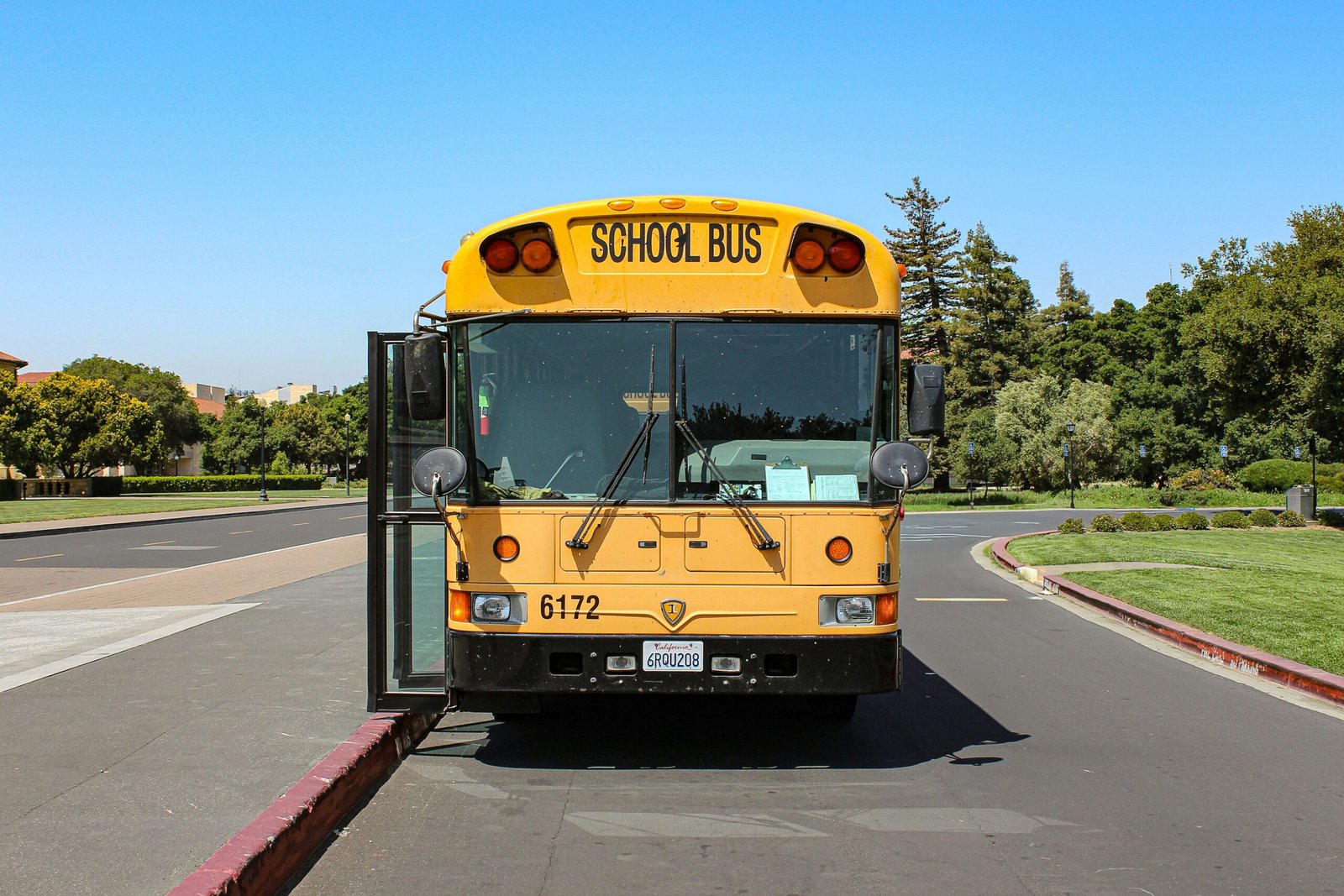
Every weekday in the United States, more than 25 million children ride a school bus, according to the National Center for Education Statistics (NCES). For many families, that bus ride is the first and last part of a child’s school day.
And yet, it’s also the part parents see the least.
Most parents assume buses are safe. And statistically, they are. The National Highway Traffic Safety Administration (NHTSA) consistently reports that school buses are one of the safest forms of transportation for children. But safety inside and around the bus depends on more than design. It depends on visibility, accountability, and fast response.
That’s where school bus security cameras come in.
Modern AI-powered bus camera systems don’t just record footage. They detect threats, tag incidents automatically, send alerts, and help schools respond in real time.
If you’re a parent wondering whether bus cameras really make a difference, here are 9 specific, data-backed benefits you should know.
1. They Deter Bullying and Misconduct on the Bus
Bullying remains a serious issue in schools. According to the National Center for Education Statistics, about 19% of students aged 12–18 report being bullied. While much of that happens inside school buildings, buses are often cited as common locations.
Why?
- Limited adult supervision
- Confined space
- Mixed age groups
- Long ride times
When buses are equipped with cameras, behavior changes.
Several school districts have reported reductions in reported bus misconduct after installing cameras. Visibility matters. When students know their actions are recorded, the likelihood of verbal harassment, physical aggression, or vandalism decreases significantly.
For parents, this means:
- Fewer unsafe interactions
- More accountability
- A documented record if something does happen
2. They Protect Children During Stop-Arm Violations
Stop-arm violations are one of the most dangerous risks students face.
According to the National Association of State Directors of Pupil Transportation Services (NASDPTS), school bus drivers report over 45 million illegal pass-by incidents per year nationwide.
That means drivers illegally pass stopped buses thousands of times daily.
Bus-mounted external cameras can:
- Capture license plates
- Record vehicles ignoring stop signals
- Provide evidence for law enforcement
States like Georgia and Maryland have used stop-arm camera programs to issue citations and significantly reduce violations in certain districts.
For parents, this is critical. The most dangerous part of the school bus ride is when children are entering or exiting. Cameras directly address that risk.
3. They Provide Objective Evidence in Disputes
When a complaint arises—whether about behavior, driver conduct, or an accident—memory is unreliable.
Video footage provides:
- Clear timelines
- Visual confirmation of events
- Reduced reliance on conflicting reports
According to insurance industry reports, transportation-related claims can cost school districts millions annually. Video documentation helps resolve disputes faster and more fairly.
For families, that means:
- Faster answers
- Clear accountability
- Less uncertainty
4. They Improve Driver Accountability and Training
School bus drivers operate under intense responsibility. Cameras do not just monitor students. They also protect drivers.
Internal bus cameras help:
- Review driving behavior
- Investigate complaints
- Provide training feedback
- Protect drivers from false accusations
In many districts, recorded footage has cleared drivers of misconduct claims by showing full context.
Better documentation leads to better training. And better training leads to safer rides.
5. They Enable Faster Emergency Response
Traditional bus cameras required someone to manually review hours of footage after an incident.
Modern systems are different.
AI-powered school bus camera systems can:
- Detect unusual activity
- Tag incidents automatically
- Send alerts to administrators
- Upload footage to secure dashboards
For example, some platforms, including Coram’s school bus camera systems, are designed to modernize fleet safety by detecting threats in real time, automatically tagging incidents, and delivering footage directly to a centralized dashboard. These systems work without traditional NVR hardware and reduce the time administrators spend scrubbing through recordings.
That shift matters.
Instead of reacting hours later, schools can respond quickly—sometimes within minutes.
In emergencies, time saves lives.
6. They Reduce Investigation Time for Schools
School administrators are stretched thin. Reviewing video manually is time-consuming.
AI-enhanced systems can:
- Search by event type
- Filter by time and location
- Automatically highlight anomalies
This dramatically reduces review time.
In districts with large fleets—sometimes 100+ buses—manual video checks are nearly impossible at scale. Intelligent systems streamline operations while keeping students protected.
7. They Improve Parent Confidence and Transparency
Trust is everything in education.
When schools communicate that buses are equipped with security cameras, it reassures families that student safety is a priority.
Transparency builds confidence.
Some districts report improved parent satisfaction after implementing bus surveillance programs because:
- Incidents are documented
- Communication improves
- Investigations are faster
Parents may never see the footage—but knowing it exists provides peace of mind.
8. They Help Monitor External Threats Around the Bus
Safety risks are not limited to inside the vehicle.
External-facing cameras help monitor:
- Suspicious individuals near bus stops
- Aggressive drivers
- Unsafe road conditions
- Accidents
In rural areas especially, buses may travel long distances with limited supervision. External cameras provide visibility across every route.
In urban districts, cameras help document traffic violations and improve route safety planning.
9. They Support Data-Driven Safety Improvements
The biggest advantage of modern bus camera systems is not just recording incidents—it’s learning from them.
Aggregated video insights help districts:
- Identify high-risk stops
- Analyze traffic patterns
- Adjust routes
- Improve driver training
- Allocate supervision resources
According to transportation safety research, data-informed interventions reduce accident rates significantly compared to reactive strategies.
When bus systems generate usable data instead of just raw footage, safety becomes proactive rather than reactive.
What Parents Should Ask About School Bus Camera Systems
If your child rides a school bus, consider asking your district:
- Are buses equipped with interior and exterior cameras?
- How long is footage retained?
- Is video monitored in real time or reviewed after incidents?
- Are stop-arm violations recorded and reported?
- How is student privacy protected?
The answers matter.
Key Takeaways
- Over 25 million students ride school buses daily in the U.S.
- School bus stop-arm violations exceed 45 million incidents annually
- Camera systems deter bullying and misconduct
- Video evidence reduces disputes and speeds investigations
- AI-powered systems enable faster threat detection and response
- External cameras protect students during boarding and drop-off
- Data from bus cameras helps districts improve long-term safety
FAQs
Are school bus cameras legal?
Yes. School buses are public vehicles operated by school districts. Cameras are typically installed in compliance with state laws and district policies.
Do bus cameras record audio?
Some districts enable audio recording, but laws vary by state. Schools must comply with local privacy regulations.
How long is footage stored?
Retention policies vary, but many districts store footage between 14 and 45 days, unless required for investigation.
Do bus cameras prevent accidents?
They cannot prevent all accidents, but they reduce risky behavior, document violations, and improve response times.
Can parents request footage?
Policies differ by district. Generally, footage is released only under formal request processes to protect student privacy.
Conclusion: Safer Rides Start With Visibility
School buses are already one of the safest ways children travel. But safety is not static. It evolves with technology.
Modern school bus security cameras provide more than recording. They offer accountability, transparency, deterrence, and faster response.
For parents, that means fewer unknowns.
If your district uses bus cameras, ask how they work. If they don’t, start the conversation. Safety improves when families stay informed and engaged.
What questions do you have about your child’s bus safety that haven’t been answered yet?