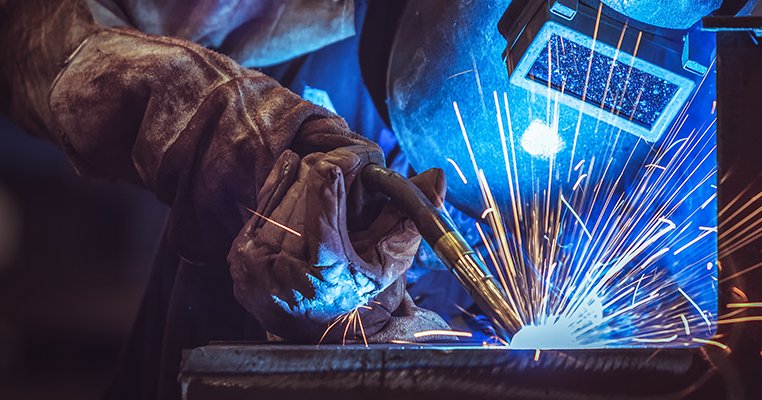
As manufacturers worldwide look for ways to reduce energy consumption and adopt greener production methods, welding systems are becoming an important focal point for sustainability improvements. Traditional welding technologies often require high energy usage, generate extensive heat, and produce excess waste making them less ideal in industries pushing toward carbon-reduction and resource efficiency. This shift has encouraged many companies to re-evaluate their equipment choices and explore more sustainable alternatives.
Laser welding stands out as one of the most energy-efficient joining technologies available today. Its precision, controlled heat input, and minimal waste make it an attractive option for organizations that want to improve long-term sustainability metrics. In this article, you’ll learn how a laser welder supports energy-efficient practices, reduces environmental impact, and contributes to cleaner, more modern manufacturing systems.
Why Sustainability Matters in Modern Welding
Energy consumption in manufacturing is higher than ever. According to the International Energy Agency (IEA), industrial activity accounts for over 37% of global final energy use, a significant portion of which comes from metal fabrication and processing. As environmental regulations tighten and consumers expect greener products, manufacturers face key challenges:
- High operational costs from inefficient welding processes
- Excessive waste and scrap, impacting both sustainability and profitability
- Difficulty meeting carbon-reduction targets and industry standards
Laser welding addresses many of these concerns by offering a faster, cleaner, and more energy-efficient method that aligns with sustainability initiatives.
How Laser Welding Improves Energy Efficiency
Laser welding has become a preferred solution for companies seeking low-energy, high-performance workflows. Here’s why:
1. Lower Heat Input Reduces Energy Use
Traditional welding applies heat broadly across materials, raising energy consumption. In contrast, a laser welder targets heat precisely where it’s needed.
Benefits:
- Less thermal distortion
- Reduced power requirements
- Faster cooling times
Because only a small area is heated, the total energy consumed per weld is significantly lower.
2. Faster Processing Speeds Mean Lower Power Consumption
Laser welding produces rapid, deep weld penetration. In many applications, it is 2–10 times faster than TIG or MIG welding, according to research published in ScienceDirect.
Faster welds result in:
- Shorter machine runtime
- Reduced overall energy draw
- Higher productivity with lower resource use
This is particularly advantageous for high-volume manufacturing.
3. Minimal Waste and Rework
Laser welding’s accuracy reduces defects, leading to:
- Fewer rejected parts
- Less scrap metal
- Reduced need for rework or refinishing
Waste reduction directly contributes to sustainability by conserving materials and energy.
4. Better Integration With Automation
Robots and CNC systems paired with laser welders can optimize every weld for maximum efficiency. Consistency eliminates unnecessary power spikes and improves energy planning across the facility.
Environmental Benefits of Using Laser Welding Technology
Going beyond energy savings, laser welding contributes to broader sustainability goals.
1. Lower CO₂ Emissions
Less electricity consumption means lower indirect emissions from energy production especially important for companies tracking their carbon footprint.
2. Fewer Consumables
Unlike MIG or TIG welding, laser systems typically require:
- No filler wire
- No flux
- Less shielding gas
Reducing consumables minimizes waste and decreases transportation-related emissions.
3. Improved Worker Safety and Cleanliness
Laser welding produces fewer fumes and contaminants compared to traditional welding. Cleaner processes support:
- Healthier working environments
- Reduced need for ventilation power
- Lower environmental contamination
4. Longer Tool Lifespan
Laser systems experience less wear and tear because they rely on optical components rather than physical contact. This reduces equipment waste and enhances long-term sustainability.
Energy Efficiency Comparison: Laser Welding vs. Traditional Methods
| Welding Method | Energy Use | Heat Input | Consumables | Waste Level | Sustainability Rating |
| Laser Welding | Low | Very Low | Minimal | Very Low | ★★★★★ |
| MIG Welding | High | High | Requires wire & gas | Medium–High | ★★★☆☆ |
| TIG Welding | Medium–High | Medium | Requires filler & gas | Medium | ★★★☆☆ |
| Stick Welding | High | High | Electrodes required | High | ★★☆☆☆ |
Laser welding clearly delivers stronger performance in energy reduction and sustainable output.
Best Practices for Sustainable Laser Welding
To get the most out of your laser welder, consider adopting these best practices.
1. Optimize Laser Power Settings
Using only the necessary wattage minimizes energy draw while still achieving clean, strong welds.
2. Maintain Clean Optics and Equipment
Dirty lenses reduce beam efficiency, causing machines to draw more power.
Tips:
- Clean lenses regularly
- Check mirrors and fiber delivery systems
- Replace worn components promptly
3. Choose the Right Shielding Gas
Argon and nitrogen are common choices. Using the correct gas mix helps stabilize the weld, reducing waste and improving quality.
4. Integrate Automation Where Possible
Automation reduces variability, improving energy consistency and minimizing material waste from human error.
5. Use High-Quality Materials
Poor metal quality increases rework, scrap, and energy consumption. Quality starts with selecting the right alloys and surface conditions.
Real-World Applications Where Sustainability Matters Most
Laser welding is widely used across industries prioritizing energy efficiency and green manufacturing.
Automotive Industry
High-volume production requires fast, energy-efficient welds, especially for EV battery enclosures and lightweight frames.
Aerospace and Defense
Sustainability goals and strict material performance requirements make laser welding an ideal match.
Medical Manufacturing
Laser welding produces clean joints with minimal contamination, reducing chemical cleaners and improving waste management.
Consumer Electronics
Miniaturized components require precise, low-heat welding that avoids overheating sensitive parts.
Metal Fabrication and Construction
Laser systems streamline energy use during on-site fabrication, reducing fuel consumption from generators and portable equipment.
When upgrading your welding processes for sustainability, choosing the right equipment can make a significant impact on both energy efficiency and long-term cost savings. Brands like Denaliweld provide advanced welding systems designed to support clean, precise, and reliable performance across a variety of applications.
Conclusion
Sustainability and energy efficiency have become essential priorities for manufacturers across every industry. With its targeted heat application, fast processing speeds, reduced waste, and minimal consumable requirements, laser welding plays an important role in helping organizations meet these goals. Whether you are upgrading an existing production line or adopting new processes, integrating a high-quality laser welder into your workflow can lead to cleaner, more efficient, and future-ready operations.
By understanding the environmental benefits and implementing best practices, you can make laser welding not only a high-performance joining method but also a significant step forward in sustainable manufacturing.