Introduction: The Challenge of Transforming Organizations
In today’s fast-paced world, organizations are under constant pressure to transform. Whether it’s embracing digital change, improving operational efficiency, or responding to new market demands, businesses are continually trying to keep up. However, even with the best plans, strategies, and resources, many transformations fail. The problem is not a lack of effort but the inability to truly understand and measure the organization’s capabilities. This gap between what an organization believes it can do and what it can actually do is where the problem lies.
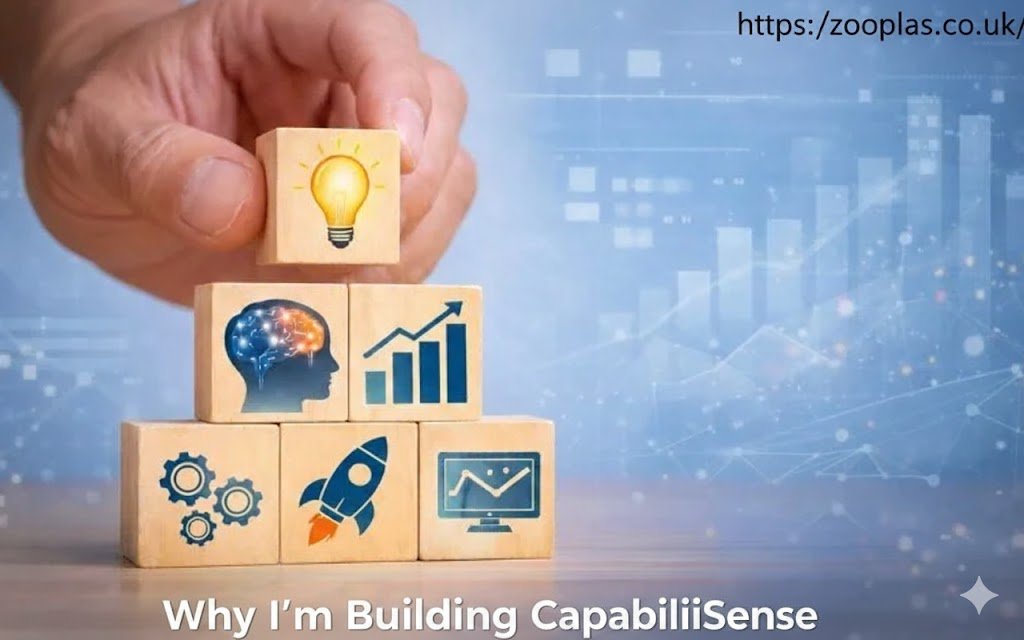
That’s why I’m building CapabiliSense — to help businesses truly see their capabilities, align their goals with their true strengths, and make smarter, data-driven decisions. It’s time to stop relying on assumptions and start making decisions based on clear, actionable insights.
1. My Personal Journey: A Quest for Clarity
The idea for CapabiliSense didn’t come from an academic theory or a market trend — it arose from years of experience in the field. I’ve spent a significant amount of time working with companies across various industries, helping them navigate their transformation processes. In doing so, I consistently encountered the same issue: organizations think they know what they can do, but they often fail to see the real limitations and hidden strengths within their teams and operations.
I realized that companies often fall short not because they lack ambition or resources, but because they don’t have a clear understanding of their own capabilities. They set out to achieve goals without truly assessing whether they have the required skills, processes, or infrastructure to make those goals a reality. This gap, this uncertainty, often leads to disappointment and failure.
It became evident to me that clarity around capabilities was the missing piece — and that’s what CapabiliSense is designed to provide.
2. What CapabiliSense Does: Turning Data into Insight
CapabiliSense is an AI-powered platform that uses data to map out the real capabilities of an organization. It’s built to transform unstructured data — from reports, documents, team feedback, and strategic plans — into clear, actionable insights about what a team or organization can truly do. Rather than relying on manual surveys, endless meetings, or abstract goals, CapabiliSense uses AI-driven analysis to uncover the hidden potential of your organization.
Here’s what CapabiliSense does:
- Data Integration: It gathers information from all parts of the organization, from strategy documents and team reports to feedback and performance metrics.
- AI Analysis: The platform analyzes the data to identify patterns and gaps in capabilities, showing what’s working well and where improvement is needed.
- Capability Mapping: It creates a visual map of your organization’s strengths and weaknesses, showing the current state and potential areas for growth.
- Actionable Insights: The platform provides practical, data-backed recommendations on where to focus efforts, what risks exist, and how to align teams for maximum impact.
By leveraging CapabiliSense, organizations can stop guessing and start acting on real, evidence-based insights.
3. The Problem I’m Solving: Misalignment and Uncertainty
Throughout my career, I’ve seen countless organizations struggle with misalignment between their strategic plans and their execution capabilities. Often, teams work hard toward ambitious goals, but they’re blinded by optimism or lack of clarity about their true capabilities. This leads to frustration, failure, or missed opportunities.
The traditional approach to business transformation is filled with abstract goals and vague roadmaps. But roadmaps alone don’t account for what’s truly possible — they don’t account for what an organization can actually do in practice.
For example:
- Digital transformation projects often fail because teams assume they have the skills or resources to implement them, but lack the infrastructure or expertise.
- Product launches are delayed or derailed because the underlying capabilities aren’t in place.
- Customer expectations are unmet because teams don’t understand their capacity to deliver.
By focusing on capability visibility rather than just high-level strategies, CapabiliSense addresses the root of these issues, providing a way to measure, align, and act on capabilities with confidence.
4. Why I’m Building CapabiliSense Publicly
One of the most important aspects of building CapabiliSense is that I’m choosing to do it publicly — sharing my journey, challenges, and progress along the way. This is more than just a product; it’s a mission to build a community of individuals, teams, and organizations who are interested in transforming how they understand and use their capabilities.
1. Transparency and Open Development
I’ve always believed that building in public creates accountability and encourages open feedback. By documenting the CapabiliSense journey on platforms like Medium, I can share insights and lessons learned with others who might be facing similar challenges. This approach invites others to contribute to the process, refine the platform, and test its assumptions.
2. Community and Collaboration
I want to create a community of thinkers, innovators, and pragmatists who care about real-world capability alignment. This platform is not just for large organizations — it’s for anyone who wants to align their actions with their true strengths and start making data-driven decisions that lead to real results. Sharing my work publicly helps foster a collaborative ecosystem where others can contribute their knowledge and experiences.
3. Continuous Improvement and Feedback
By building CapabiliSense publicly, I can collect feedback from users, potential clients, and industry experts. This feedback loop is critical for continuous improvement, allowing me to pivot and refine the platform to ensure it truly meets the needs of those who use it. It’s a process of co-creation — not just delivering a product, but iterating alongside users.
5. The Long-Term Vision: Empowering Organizations to Thrive
The ultimate goal of CapabiliSense is to help organizations thrive in a world where change is constant, and uncertainty is the norm. Traditional business intelligence tools focus on tracking performance or analyzing past trends, but CapabiliSense is designed to predict future success based on real-time, actionable data about capabilities.
Here’s what I hope to achieve in the long term:
- Capability Intelligence becomes a core business practice for organizations, just like financial management or marketing.
- Teams and leaders use data-backed capability maps to make informed decisions about where to focus resources, which goals to pursue, and which challenges to address.
- Continuous capability assessments help organizations adapt to changing conditions and grow sustainably without relying on guesswork.
Ultimately, I want to see a world where organizations can understand themselves fully, align their goals with their true capabilities, and execute with confidence.
6. What’s Next for CapabiliSense?
The journey of building CapabiliSense is just beginning. The platform is currently in its early stages, and there’s a lot of work ahead to refine its features, expand its capabilities, and grow the community around it. In the coming months, I’ll be focusing on:
- Expanding AI capabilities to analyze even more types of organizational data
- Integrating with other tools and platforms that organizations already use for project management and strategy
- Building partnerships to enhance the platform’s reach and impact
I’m excited about the future of CapabiliSense and the potential it has to change the way businesses approach transformation and growth.
Conclusion: A Clearer Path Forward
CapabiliSense is my attempt to address one of the greatest challenges organizations face: the gap between their strategic ambitions and their actual capabilities. It’s a way to help businesses navigate complexity and make smarter, data-driven decisions that align with their real strengths.
By sharing this journey publicly, I hope to inspire others to rethink how we understand capability — and how we can build more successful, aligned, and resilient organizations in the process.
This article explains why CapabiliSense is being built, the personal experiences behind it, and the long‑term vision for its development. Let me know if you want more details on any specific features or future plans for the platform!