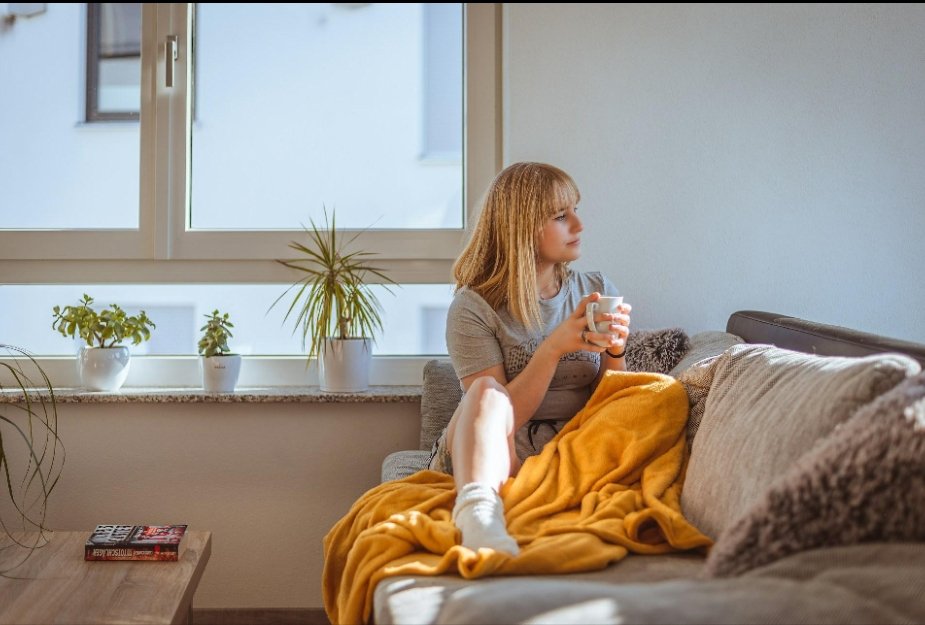
Conversations about health often focus on nutrition, exercise, and medical care, yet one influential factor is frequently left out: the environment people spend most of their time in. Homes shape daily habits, affect stress levels, and influence exposure to irritants in ways that are easy to overlook because they feel familiar. Guidance from providers such as Berry Street often highlights the importance of consistent, balanced routines for long-term wellbeing, but those routines do not exist in isolation. They are lived out within kitchens, bedrooms, bathrooms, and shared living spaces, where environmental conditions quietly support, or undermine, personal health.
As lifestyles become more home-centred, understanding how living environments interact with physical and mental wellbeing has become increasingly relevant. The quality of the spaces people inhabit each day can reinforce healthy choices or introduce friction that makes wellbeing harder to maintain.
How the Home Environment Influences Daily Health
Health is not shaped only by deliberate actions such as meal planning or exercise. It is also affected by background factors that operate continuously. Air quality, cleanliness, humidity, odours, and exposure to chemical residues all contribute to how the body feels and functions over time.
Poor indoor air circulation, for example, can aggravate respiratory discomfort and fatigue. Lingering moisture can create conditions that feel heavy or irritating, while harsh cleaning residues may trigger sensitivities for some individuals. These factors rarely cause immediate, dramatic symptoms, which is why they are often ignored. Instead, they exert subtle pressure that accumulates, influencing comfort, sleep quality, and even mood.
When the home environment is supportive, it reduces this background strain, allowing healthy routines to function more effectively.
Stress, Comfort, and the Spaces We Live In
Mental wellbeing is closely tied to physical surroundings. Cluttered, unpleasant, or uncomfortable spaces can elevate stress levels without people consciously recognising the cause. Over time, this low-grade stress affects sleep, concentration, and emotional resilience.
Comfortable, well-maintained environments send a different signal. They support rest, encourage consistency in daily routines, and make it easier to sustain positive habits. This connection explains why changes to living spaces, such as improving ventilation, reducing irritants, or simplifying maintenance, often lead to noticeable improvements in how people feel day to day.
The home acts as a constant backdrop to life. When that backdrop is supportive, it amplifies other health-promoting behaviours.
Indoor Exposures and Long-Term Wellbeing
People often associate environmental exposure with outdoor pollution, yet indoor environments can be just as influential. Modern homes contain a wide range of materials and products that release particles or compounds into the air. Over time, these exposures may affect sensitive individuals more than expected.
The World Health Organization has repeatedly noted that indoor environmental quality plays a role in overall health, particularly where ventilation is limited or irritants accumulate. While most homes are not hazardous, small, ongoing exposures can still affect comfort and wellbeing when combined with other lifestyle factors.
Awareness of these influences has led many people to rethink how they manage their living spaces, looking for approaches that reduce unnecessary environmental stress without adding complexity to daily life.
Creating Health-Supporting Spaces at Home
Improving the home environment does not require drastic changes. Small, intentional adjustments often have the greatest impact. Maintaining clean, well-ventilated spaces supports respiratory comfort and reduces the buildup of irritants. Managing moisture helps prevent conditions that feel uncomfortable or stale. Choosing approaches that prioritise balance rather than over-sanitisation can also reduce unnecessary exposure to harsh substances.
These changes align naturally with broader wellness goals. A home that feels comfortable and supportive makes it easier to focus on nutrition, movement, and rest, rather than constantly reacting to environmental discomfort.
Practical Steps Toward a Healthier Home
For many households, the challenge lies in finding solutions that fit into everyday life. Products and practices need to be effective without creating additional burdens or introducing new concerns. This is why there has been growing interest in options that address environmental comfort while minimising unnecessary chemical exposure.
In discussions about maintaining healthier living spaces, Azuna products are often referenced as one example of solutions designed to support freshness and comfort without relying on heavy fragrances or aggressive formulations. Their use typically comes up in the context of managing odours and maintaining indoor comfort in a way that aligns with a more mindful approach to home care.
What matters most is not the specific brand, but the principle behind the choice: selecting solutions that contribute to a healthier environment rather than adding to the problem.
The Ripple Effect on Daily Habits
When the home environment improves, the effects extend beyond physical comfort. People are more likely to cook at home when kitchens feel clean and pleasant. Sleep routines improve when bedrooms are fresh and comfortable. Regular movement and relaxation are easier when shared spaces feel inviting rather than stressful.
These ripple effects reinforce the idea that environmental health is not a separate category, but an integral part of overall wellbeing. The home either supports healthy habits or quietly works against them.
Rethinking Wellness as a Whole-Environment Concept

Wellness is often framed as a set of individual choices, yet those choices are shaped by context. Nutrition advice, exercise plans, and stress-management techniques are more effective when the environment supports them. Ignoring the home environment leaves a gap in the wellness conversation.
By recognising the role of living spaces, individuals can take a more holistic approach to health, one that acknowledges how daily surroundings interact with behaviour, comfort, and long-term outcomes.
Why the Home Environment Deserves More Attention
The link between home environment and personal health is not dramatic, but it is persistent. It operates quietly, influencing how people feel, sleep, and function over time. Because it lacks urgency, it is easy to overlook, yet its impact is continuous.
Addressing this link does not require perfection or major lifestyle overhauls. It begins with awareness and small, thoughtful choices that reduce environmental strain. When combined with sound nutrition, regular movement, and adequate rest, a supportive home environment helps create the conditions where health can thrive.
In that sense, personal wellbeing is not just about what people do for their health, but also about the spaces they return to every day, and how those spaces support the life they are trying to live.