Introduction
In Kenya, County Integrated Development Plans (CIDPs) play a pivotal role in guiding the development process at the county level. These plans serve as the blueprint for planning, budgeting, and implementing development projects across various sectors in every county. The concept of CIDPs is grounded in the principles of devolution, aiming to bring development closer to the people by ensuring that planning and resource allocation meet the unique needs of each county.
This article will explore what CIDPs are, their importance, the process of developing them, and the impact they have on Kenya’s development. We will also discuss how these plans align with national development goals and highlight some examples from counties across the country.
What is a County Integrated Development Plan (CIDP)?
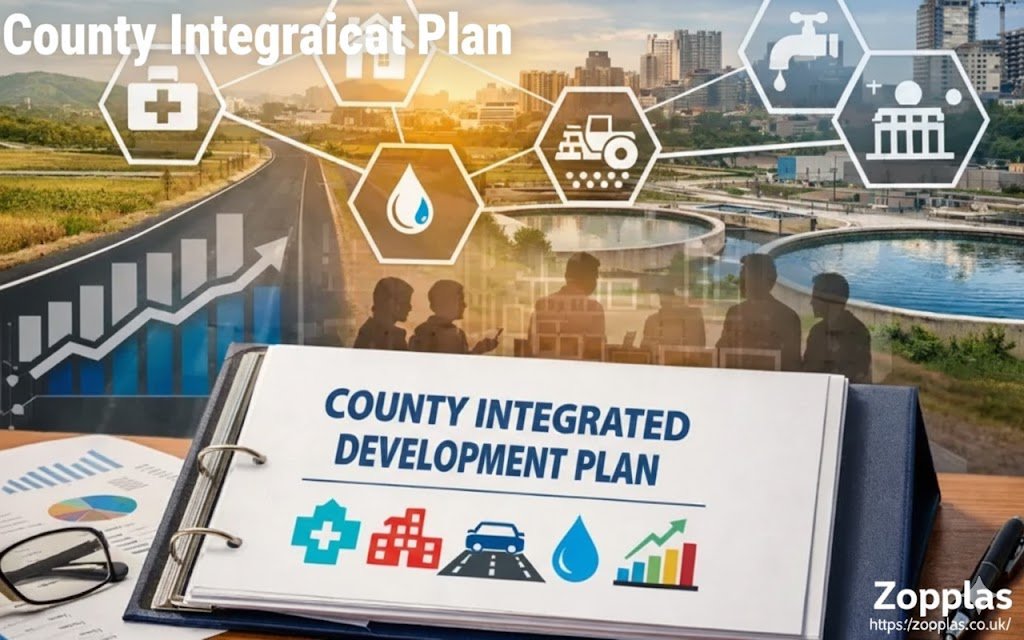
A County Integrated Development Plan (CIDP) is a medium‑term strategic document created by county governments in Kenya to outline their development goals, priorities, and planned projects for a five‑year period. CIDPs aim to improve the living standards of citizens by addressing both immediate and long‑term development challenges in a coordinated and structured way.
The plan integrates economic, social, and environmental priorities, ensuring that county governments develop in a way that is balanced, sustainable, and inclusive. The CIDP is the primary planning document that aligns a county’s activities with national goals, including those outlined in Kenya Vision 2030 and the Sustainable Development Goals (SDGs).
Why are CIDPs Important?
1. Guiding Local Development
CIDPs provide a clear and structured framework for counties to follow. They ensure that all county projects and programs are aligned with long‑term development objectives. By laying out clear priorities, counties can focus on addressing their most pressing needs, such as infrastructure, healthcare, education, water, and agriculture.
The strategic nature of the CIDP allows counties to manage their resources effectively and set measurable targets, making it easier to track progress and adjust plans as needed.
2. Aligning County and National Goals
Kenya’s devolved governance system ensures that both national and county governments work toward the same overarching development objectives. CIDPs align local county priorities with Kenya Vision 2030 and the SDGs, contributing to the country’s holistic development. By having an integrated plan, counties can contribute directly to national growth while addressing local challenges.
3. Improving Accountability and Transparency
The CIDP provides a framework for monitoring and evaluating the effectiveness of development initiatives. With clear goals, timelines, and performance indicators, CIDPs ensure that there is accountability in how resources are used. Citizens and stakeholders can track progress and hold county leaders accountable for delivering on promises made in the plan.
4. Facilitating Public Participation
Public participation is at the heart of the CIDP process. By involving local communities, stakeholders, and citizens, the planning process becomes more democratic and reflective of the actual needs of the people. This participatory approach ensures that the plan is inclusive and meets the priorities of various community groups, including vulnerable populations.
The Process of Developing a CIDP
The development of a CIDP follows a systematic process that involves data collection, community participation, prioritization, and continuous review. Here are the key steps involved in the creation of a CIDP:
1. Situation Analysis
The first step in developing a CIDP is to conduct a situation analysis. This involves gathering data on the current socio‑economic conditions of the county, including the population, infrastructure, health, education, and economic performance. By understanding the county’s strengths and challenges, planners can identify key areas that need attention.
2. Stakeholder Consultation
The public consultation process is crucial in the development of a CIDP. During this phase, county officials engage with citizens, local organizations, businesses, and other stakeholders to gather input on their needs and expectations. This participatory approach ensures that the CIDP reflects the priorities of the people it serves.
3. Setting Priorities and Objectives
Based on the data collected and stakeholder feedback, the county government sets its development priorities and outlines specific objectives for the next five years. These priorities might include infrastructure development, healthcare improvements, water and sanitation projects, job creation, and environmental sustainability.
4. Developing the Plan
With priorities and objectives in place, the county government then drafts the CIDP, which includes:
- Specific projects and programs to be implemented
- Timeframes for each project
- Budgetary allocations for each project and sector
- Performance indicators to monitor progress
- Roles and responsibilities for different government departments
5. Approval and Adoption
After the draft CIDP is prepared, it is presented to the County Assembly for review and approval. The assembly debates the plan, and adjustments may be made based on feedback from elected leaders and stakeholders. Once approved, the CIDP becomes the official guiding document for development in the county.
6. Implementation and Monitoring
With the CIDP approved, the county government begins the implementation phase, which involves executing the prioritized projects. During implementation, there is continuous monitoring and evaluation to ensure that the projects are delivered on time, within budget, and meet the intended outcomes. Regular reports are provided to the public and stakeholders to promote transparency.
7. Review and Adjustment
The CIDP is reviewed regularly, and adjustments may be made based on emerging challenges, opportunities, or changes in national policy. This ensures that the county remains adaptable to changing circumstances while staying aligned with its development objectives.
Key Features of a County Integrated Development Plan
1. Situational Analysis
The CIDP includes a thorough analysis of the county’s socio‑economic environment, identifying key challenges and opportunities for development.
2. Vision, Mission, and Goals
Every CIDP outlines a clear vision and mission for the county, guiding development efforts. It also defines the goals that the county seeks to achieve within the planning period.
3. Priority Sectors and Projects
The CIDP identifies priority sectors (such as health, education, agriculture, and infrastructure) and specific projects within each sector. These projects are designed to address the county’s most pressing needs and contribute to sustainable development.
4. Budgeting and Resource Mobilization
The CIDP serves as the foundation for the county’s budget. It outlines the financial resources required to implement the projects and identifies potential sources of funding, including local revenue, national transfers, and development partners.
5. Monitoring and Evaluation (M&E)
An important feature of the CIDP is the monitoring and evaluation framework, which tracks progress and assesses the impact of development initiatives.
Examples of CIDPs in Kenya
1. Nairobi County Integrated Development Plan (2018–2022)
Nairobi’s CIDP focuses on transforming the city into a sustainable, competitive, and prosperous global hub. Key areas include urban infrastructure, affordable housing, transport, water, and sanitation. The city also plans to enhance its role as the economic engine of Kenya through improved service delivery and increased investment.
2. Kisumu County Integrated Development Plan (2018–2022)
Kisumu’s CIDP addresses the county’s vision to become an industrial, trade, and service hub in western Kenya. The plan emphasizes infrastructure, education, health, and water, as well as sustainable urban development. It also focuses on youth empowerment and creating jobs through a diversified economy.
3. Nakuru County Integrated Development Plan (2018–2022)
Nakuru’s CIDP focuses on infrastructure development, agriculture, and industrialization. With an emphasis on enhancing food security, youth employment, and water provision, the plan outlines strategies to reduce poverty and increase investment in the region.
4. Mombasa County Integrated Development Plan (2018–2022)
Mombasa’s CIDP includes the transformation of the coastal city into a modern, business‑friendly city with a focus on improving infrastructure, increasing industrial production, and enhancing education and health services.
Challenges and Limitations of CIDPs
While CIDPs are powerful tools for development, counties face several challenges during the preparation and implementation process:
1. Limited Financial Resources
Despite the planning process, many counties struggle with financial constraints that hinder the effective implementation of CIDP projects.
2. Lack of Technical Capacity
Some counties lack the technical expertise needed to design and implement complex development projects, which can lead to delays or inefficiencies.
3. Political Interference
In some cases, political agendas can interfere with the prioritization and execution of CIDP projects, leading to delays or the misallocation of resources.
4. Inadequate Public Participation
While public participation is mandated by law, some counties struggle to engage citizens fully, leading to a lack of community buy‑in and limited effectiveness of development projects.
Conclusion
County Integrated Development Plans (CIDPs) are an essential component of Kenya’s devolved governance system. They provide a structured framework for local governments to prioritize, plan, and implement development projects while ensuring public participation, transparency, and accountability.
As Kenya continues to move toward sustainable and inclusive development, the role of CIDPs in shaping county-level growth and aligning local efforts with national priorities will remain crucial. By addressing local needs and challenges, counties can create better living conditions for their residents, contribute to national development, and make significant strides toward achieving the SDGs and Kenya Vision 2030.
If counties can overcome the challenges of resource mobilization, technical capacity, and political interference, CIDPs will continue to drive progress and create lasting impact across Kenya.
This article provides an overview of County Integrated Development Plans (CIDPs), their importance, purpose, process, and examples from various counties in Kenya. Let me know if you need a deeper focus on specific counties or further details!