SSemana Santa 2026, or Holy Week, is one of the most significant religious observances in the Christian calendar, commemorating the last days of the life of Jesus Christ. From Palm Sunday to Easter Sunday, it marks a time of reflection, devotion, and community, drawing millions of participants worldwide. In 2026, Semana Santa will be celebrated from March 29 to April 5, bringing together diverse cultural traditions, processions, and family gatherings in different parts of the world.
This article explores the Semana Santa 2026, including the dates, significance, traditions, and how it’s celebrated across countries like Mexico, Spain, Colombia, Guatemala, and more.
Semana Santa 2026 – Key Dates
Semana Santa’s observance follows the Christian liturgical calendar, with key days leading up to Easter. In 2026, these dates fall as follows:
- Palm Sunday (Domingo de Ramos): March 29, 2026
- Holy Monday (Lunes Santo): March 30, 2026
- Holy Tuesday (Martes Santo): March 31, 2026
- Holy Wednesday (Miércoles Santo): April 1, 2026
- Maundy Thursday (Jueves Santo): April 2, 2026
- Good Friday (Viernes Santo): April 3, 2026
- Holy Saturday (Sábado Santo): April 4, 2026
- Easter Sunday (Domingo de Resurrección): April 5, 2026
These dates are significant not only for their religious meaning but also because they align with many countries’ public holidays and cultural celebrations. Semana Santa is a time when many people reflect on their faith, observe religious rites, and engage in festive community events.
Religious Significance of Semana Santa 2026
Semana Santa is deeply rooted in Christian tradition, marking the final week of Jesus Christ’s earthly life. It commemorates the following key events:
- Palm Sunday (Domingo de Ramos): Celebrates Jesus’ triumphal entry into Jerusalem, where crowds waved palm branches to honor him as the Messiah.
- Maundy Thursday (Jueves Santo): Commemorates the Last Supper, where Jesus shared a meal with his disciples, established the Eucharist, and washed their feet in an act of humility.
- Good Friday (Viernes Santo): Observes the crucifixion and death of Jesus Christ, symbolizing his sacrifice for the redemption of humanity.
- Holy Saturday (Sábado Santo): Marks the day Jesus’ body lay in the tomb, before his resurrection.
- Easter Sunday (Domingo de Resurrección): Celebrates the resurrection of Jesus Christ, symbolizing his victory over death and sin, and offering hope to Christians worldwide.
These events are central to Christian faith and are marked by solemn observances, rituals, prayers, and processions in many cultures around the world.
Semana Santa 2026 Traditions Around the World
While Semana Santa holds religious significance, it also brings with it a wealth of cultural traditions, local festivals, and communal activities that vary from country to country. Here’s a look at how some of the world’s most iconic Semana Santa celebrations unfold.
Semana Santa 2026 Spain – Grand Processions and Deep Devotion
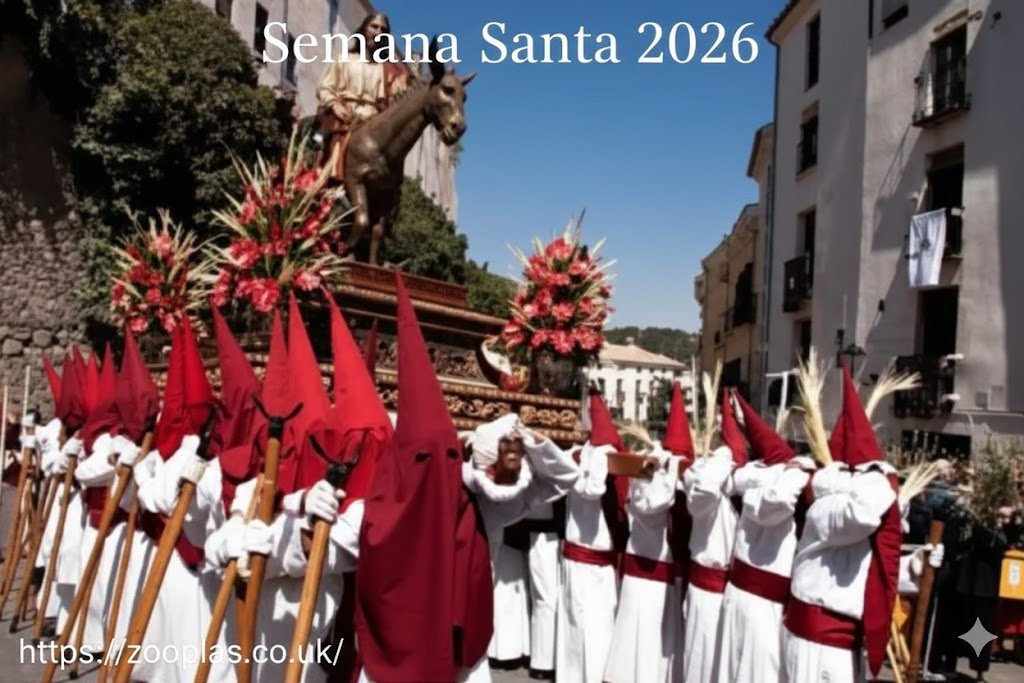
In Spain, Semana Santa is not only a religious event but also a major cultural celebration. Cities such as Seville, Málaga, and Granada are known for their elaborate processions, which draw crowds from around the world. These processions often feature beautifully decorated floats depicting religious scenes from the Passion of Christ, carried through the streets by cofradías (religious brotherhoods).
Traditions in Spain:
- Nazarenos: Penitents who wear long robes with hoods (capirote) to conceal their identities, walking in silence and carrying candles as a form of penance.
- Pasos: Ornate floats depicting Christ, the Virgin Mary, and scenes from the Passion of Christ. These floats are carried by groups of men and women known as costaleros.
- Saetas: Traditional Spanish songs sung by people from balconies during the processions, creating a powerful emotional atmosphere.
Seville is particularly renowned for its Semana Santa processions, where the floats and participants march through the streets late into the night, surrounded by candlelight and the sounds of solemn music.
Mexico – Faith, Family, and Festivities
In Mexico, Semana Santa is deeply intertwined with both religious observance and family traditions. While it’s a time for reflection on the Passion of Christ, it’s also a period when many families travel to visit holy sites or spend time together. The Passion Play in Iztapalapa, a district in Mexico City, is a major attraction, with thousands of participants reenacting the final days of Christ’s life.
Traditions in Mexico:
- Processions: Many cities, including Oaxaca, Guadalajara, and San Miguel de Allende, hold processions where religious floats are carried through the streets, often accompanied by music and prayers.
- Passion Play (Pascua): The Iztapalapa Passion Play is one of the largest reenactments of the Passion of Christ, with thousands of local actors participating in a dramatic portrayal of Jesus’ final days.
- Family Time: Semana Santa is a time for vacations and family reunions. Many Mexicans head to the beach or stay at home for relaxation and reflection.
Guatemala – Colorful Celebrations and Cultural Expression
Guatemala is famous for its Semana Santa celebrations, particularly in the colonial city of Antigua. Here, alfombras (colored sawdust carpets) are made by local artisans to decorate the streets where processions will pass. These intricate carpets are often made of brightly colored sawdust, flowers, and fruits, and they are an important part of the celebration.
Traditions in Guatemala:
- Alfombras: These elaborate carpets are created by families, schools, and local communities, and are often dedicated to religious themes or specific saints.
- Processions: Religious floats, depicting scenes of Christ’s Passion, are carried by participants through the streets, followed by crowds of faithful.
- Cultural Significance: In Antigua, the entire city becomes a part of the celebration, with everyone taking part in some aspect of the rituals, whether through prayer, creating carpets, or participating in the processions.
Colombia – A Blend of Catholic Rituals and Folk Traditions
In Colombia, Semana Santa is celebrated with a blend of Catholic rituals and local folk traditions. The city of Popayán is known for its centuries-old processions, which have been recognized as a cultural heritage. The week is marked by a sense of reflection and penance, with many people attending church services daily.
Traditions in Colombia:
- Popayán’s Processions: These processions have been held for over 450 years, making them one of the oldest and most revered in Latin America.
- Religious Services: Many people attend Masses every day of the week, especially on Good Friday, to observe the Passion and Death of Christ.
- Family and Community: Semana Santa is a time when families gather to celebrate, attend church, and reflect on the meaning of the resurrection.
Semana Santa 2026 – A Time of Vacation
In many countries, Semana Santa is not only a religious observance but also a time for vacation and family gatherings. Schools often close for the week, and many businesses give employees time off to observe the holiday. Popular vacation destinations like beaches, mountain towns, and religious sites see an increase in visitors.
In countries like Mexico, Spain, Colombia, and Guatemala, Semana Santa is one of the most important times for family travel. People often visit local attractions, spend time together, and engage in community activities. Many regions offer specific public holidays on Holy Thursday and Good Friday, while Easter Sunday is universally recognized as a day of celebration and rest.
Conclusion: The Universal Spirit of Semana Santa 2026
Semana Santa 2026 is a global celebration that transcends cultural and national boundaries. Whether it’s in Spain, Mexico, Guatemala, Colombia, or the Dominican Republic, the significance of this week is rooted in faith, family, and community. The rich traditions, from processions to family vacations, are a testament to the universal desire to reflect on the ultimate sacrifice and triumph of Easter.
As Semana Santa 2026 approaches, the dates from March 29 to April 5 offer an opportunity to engage with faith and tradition, whether through participation in religious services, joining a local procession, or spending time with loved ones. It is a week that unites people in devotion, remembrance, and celebration, echoing the values of hope and renewal that come with the resurrection of Christ.